Advancing the UK’s Circular Shift Through Fibre Innovation
Brands find a partner for reducing plastic, improving recyclability and strengthening climate performance – with MM Group.
Designing Circularity into Everyday Packaging
Across the UK, regulatory frameworks, retailer expectations and science-based climate targets are motivating brands to view fossil-based materials in the rear-view mirror. Circularity – once a strategic ambition – has become a commercial and operational priority.
MM Group is supporting this shift with recyclable monomaterial cartonboard solutions designed to function within established paper and board recycling systems. By reducing plastic content in complex laminates and barriers, these formats simplify material structures while maintaining required strength, stability and product protection. By increasing the percentage of recycled fibres in packaging’s material mix, designers further strengthens circular material flows, supporting responsible resource use at industrial scale.
Delivering Performance at Scale
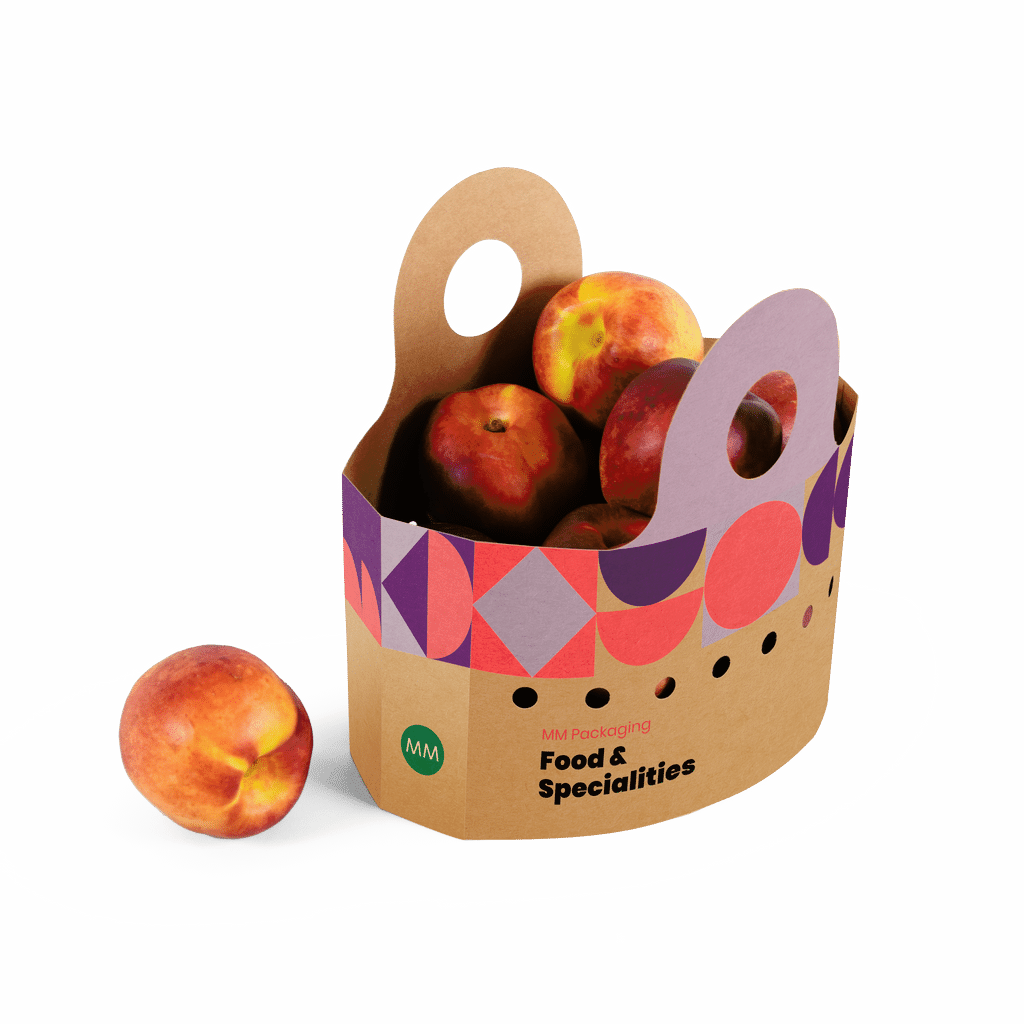
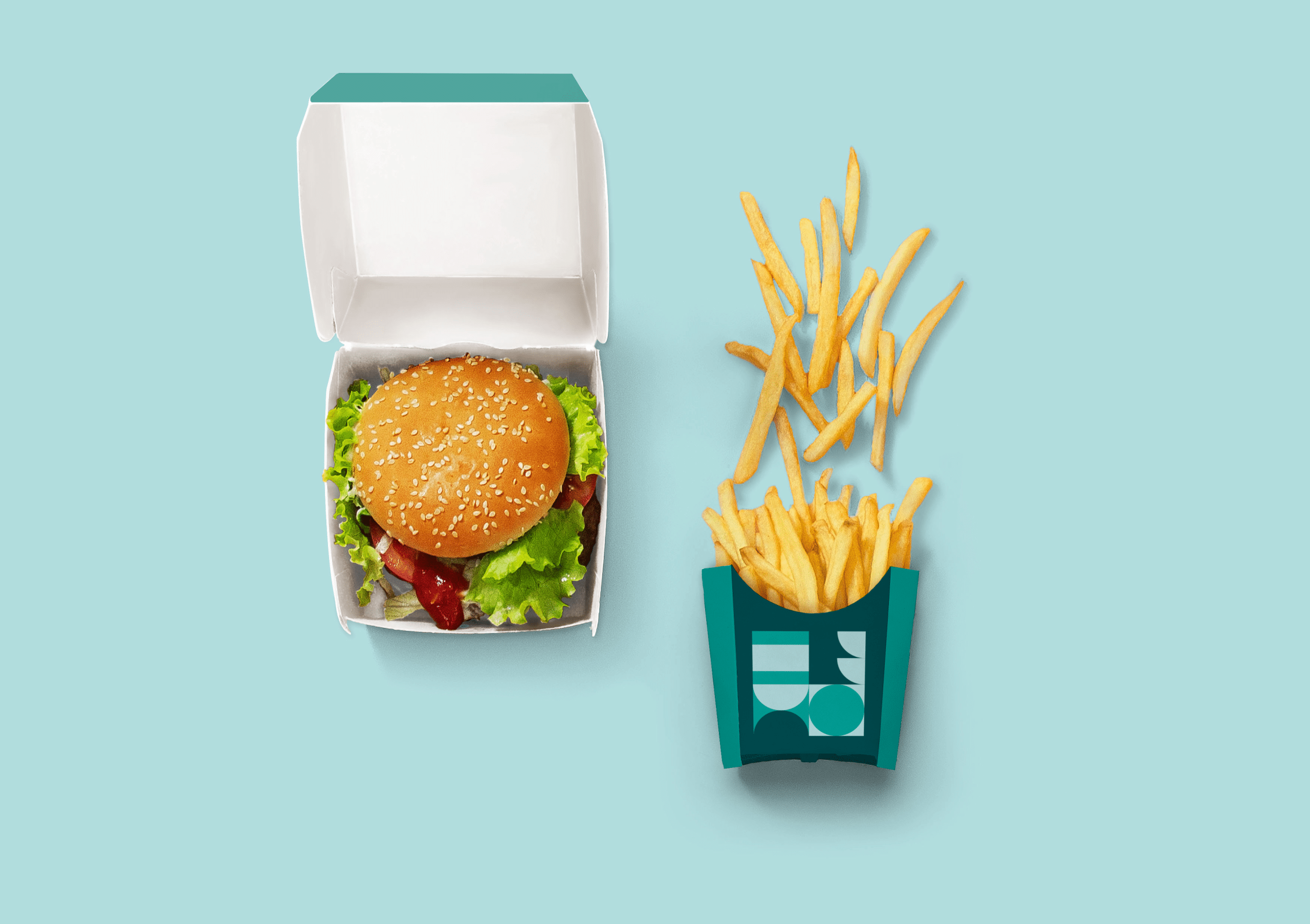
How retailers and people actually use packaging is the reality check circular solutions must pass. MM has introduced a host of packaging formats that pass muster: From recycled fibre-based fruit baskets that optimise ventilation and visibility while replacing plastic trays to tamper-evident cartonboard delivery cuffs engineered for high-volume food delivery operations. Innovations in fibre-based packaging like these are enabling measurable plastic reduction without operational disruption.
In premium seasonal packaging, fully recyclable cartonboard constructions demonstrate that shelf appeal and circularity are not mutually exclusive. Meanwhile, high-performance recyclable board grades for chilled and frozen applications combine grease resistance and moisture protection while maintaining compatibility with existing recycling systems.
Extending Fibre into Long-Term Carbon Value
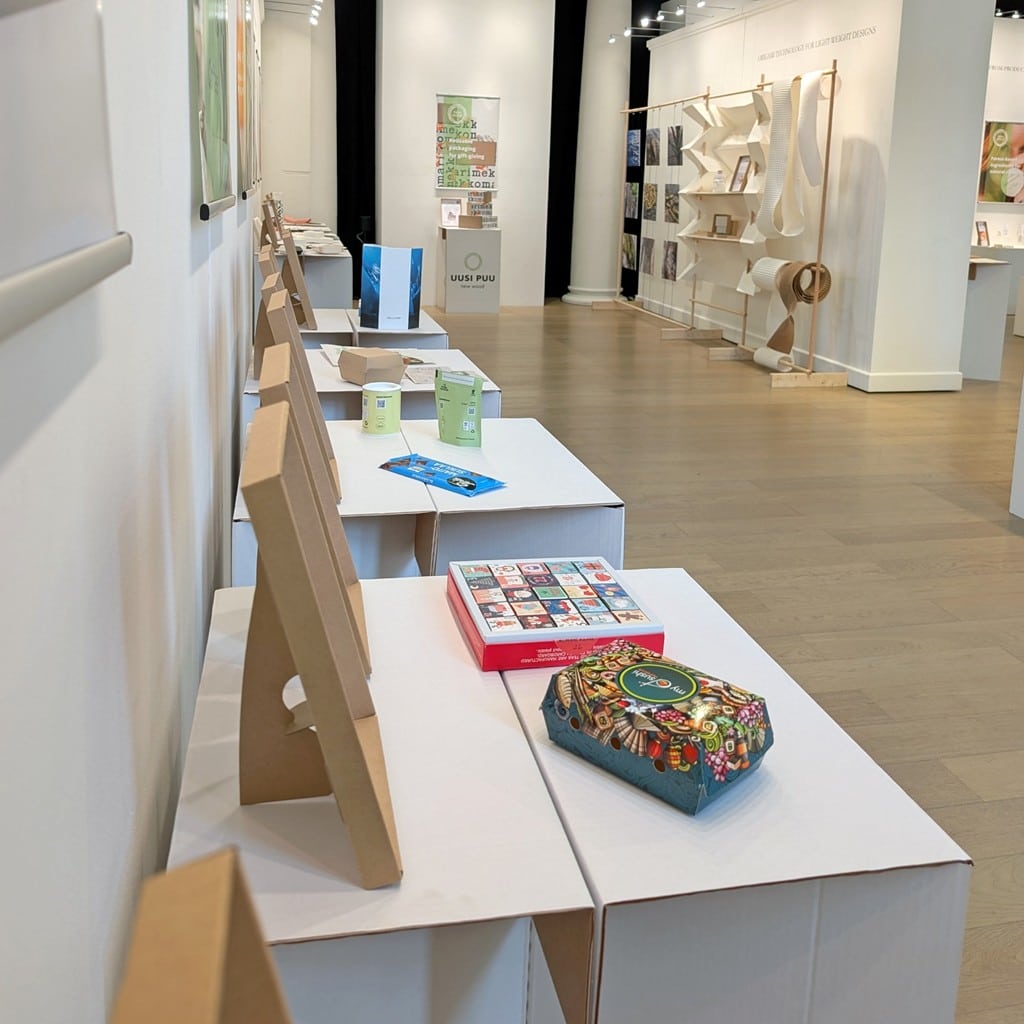
This practical progress is also gaining wider visibility. From 9–27 March, the Uusi Puu – New Wood exhibition Building a Bio-Based Future will be open in London, presenting the ways renewable fibre-based materials are disrupting traditional fossil-derived products across industries.
The circular transition extends beyond packaging. Fibre-based materials are also increasingly contributing to durable goods with long-term carbon benefits. Saturating kraft papers produced from sawdust — a by-product of the sawmill industry — and designed for lignin-based resin systems enable laminate materials with reduced carbon footprints.
Used in furniture, doors and interior panels, these applications support extended carbon storage while helping customers address Scope 3 emissions. Through its integrated portfolio of cartonboard and speciality kraft papers, MM continues to advance systemic material redesign — working steadily behind the scenes to combine recyclability, renewable sourcing and climate performance into scalable solutions across markets.