Future of U.S. Pharmaceutical Secondary Packaging: Insights from Russell Hill
Interview with Russell Hill, VP of Sales and Technical Innovation in the U.S.
Russell Hill, VP of Sales and Technical Innovation at MM Pharma & Healthcare U.S., shares his insights on the U.S. pharmaceutical secondary packaging market. In this interview, he discusses current trends, the impact of reshoring pharmaceutical manufacturing, packaging innovations, sustainability, and looks ahead to 2026.

What trends are shaping the secondary packaging market?
The U.S. secondary packaging market is growing rapidly: $45.2 billion in 2025, projected to reach $72.8 billion by 2035, with a CAGR of 4.9%.
Key trends include the integration of AI, machine learning, and big data to optimize production and logistics, supplier diversification, and a strong push toward localized production and just-in-time inventory, which drives demand for flexible packaging able to handle smaller batches and faster turnaround.
Sustainability and ESG requirements have become central, with clients seeking eco-friendly materials, traceability, and transparent processes, where secondary packaging can serve as a key differentiator.
What is your vision for the future of secondary packaging?
Secondary packaging is no longer just a cost center; it is a strategic asset that enhances brand trust, operational agility, and market responsiveness.
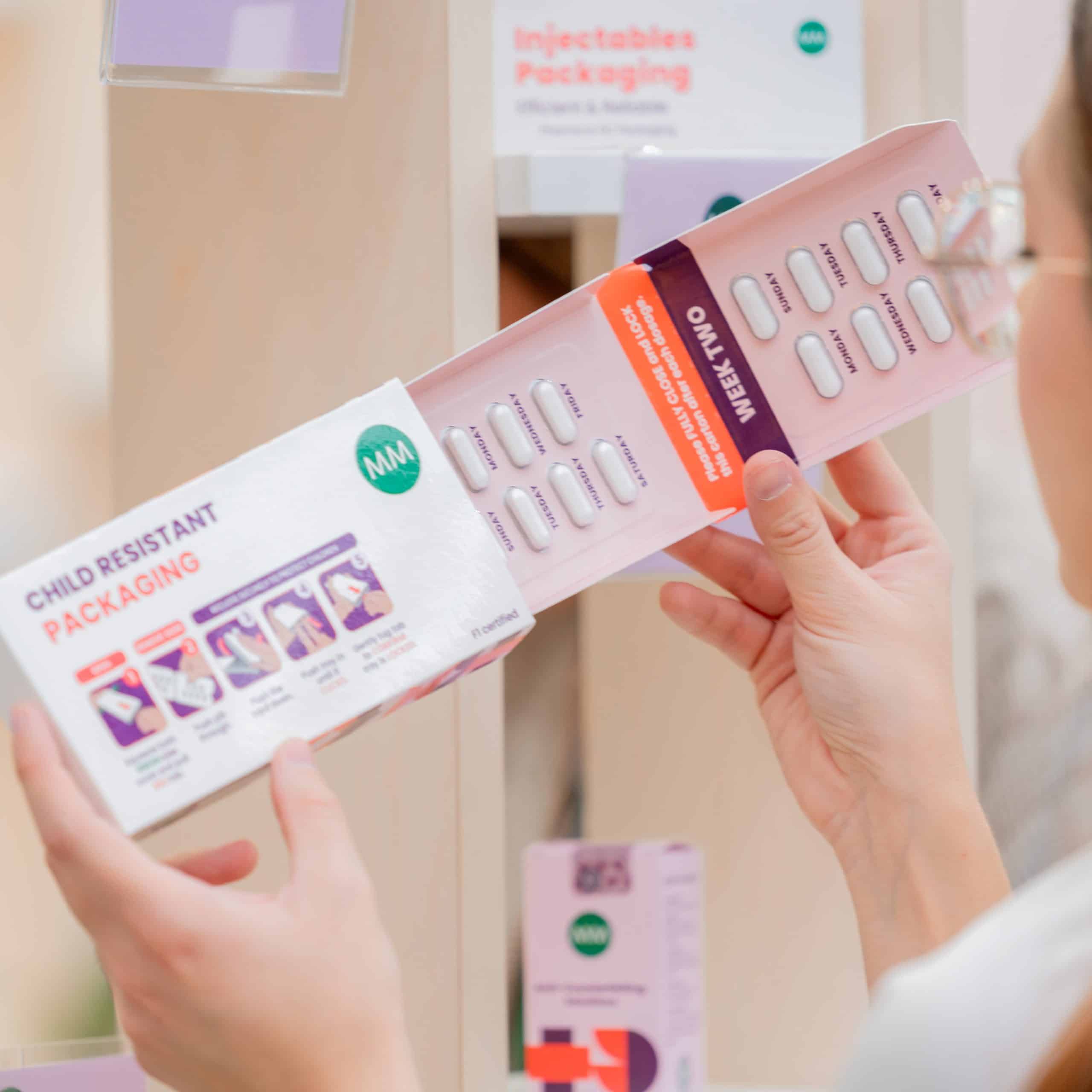
To stay competitive, packaging R&D must be integrated into the drug development lifecycle. This includes aligning formats with clinical and commercial milestones, co-designing for patient adherence, accessibility, and digital engagement, and leveraging smart packaging such as serialized cartons and QR-enabled leaflets.
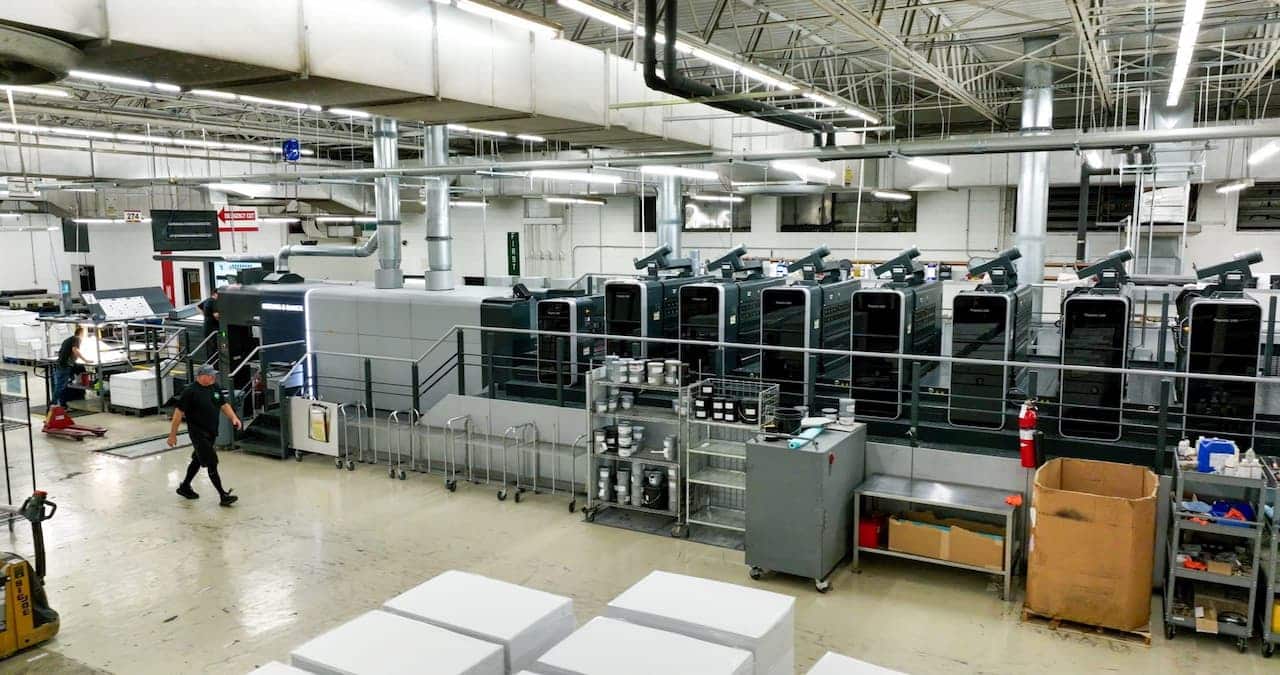
Agile manufacturing with modular lines and strategic partnerships with pharmaceutical companies enable innovation and speed to market. Quality, traceability, and sustainability remain top priorities.
What innovations do you expect in the coming years?
Smart packaging technologies will gain further traction, including QR codes, NFC, and RFID for real-time tracking, authentication, and dosage monitoring.
Sustainability and circular design will continue to influence material choices, with more biodegradable, recyclable, and reusable materials and optimized packaging size and weight to reduce logistics carbon footprint.
Security and anti-counterfeiting measures will advance with tamper-evident features, while compliance with FDA and EMA track-and-trace and serialization mandates will drive further packaging innovation. Investments in local packaging operations will also improve supply chain resilience, inventory control, and brand protection.
How is the market evolving in the use of materials, SBS vs FBB?
The U.S. market is increasingly adopting folding boxboard (FBB) over solid bleached sulphate (SBS). FBB provides excellent performance and environmental benefits, with a lower carbon footprint and renewable, recyclable materials aligned with ESG goals.
High-whiteness FBB is gaining popularity for OTC and consumer health products, enhancing shelf presence and signaling sustainability. Its high stiffness-to-weight ratio also makes it ideal for pharma e-commerce, helping reduce dimensional-weight shipping costs.
At MM Pharma & Healthcare, we are committed to providing innovative, flexible, and sustainable packaging solutions, helping pharmaceutical companies meet the challenges of the U.S. market and seize the opportunities 2026 will bring.