Inside the recycling infrastructure behind fibre-based packaging – How MA 48 and MM Board & Paper keep valuable fibres in the loop

The long-standing partnership between MA 48 and MM Board & Paper shows why collection, recycling and reliable industrial demand must work together to keep valuable fibres in circulation.
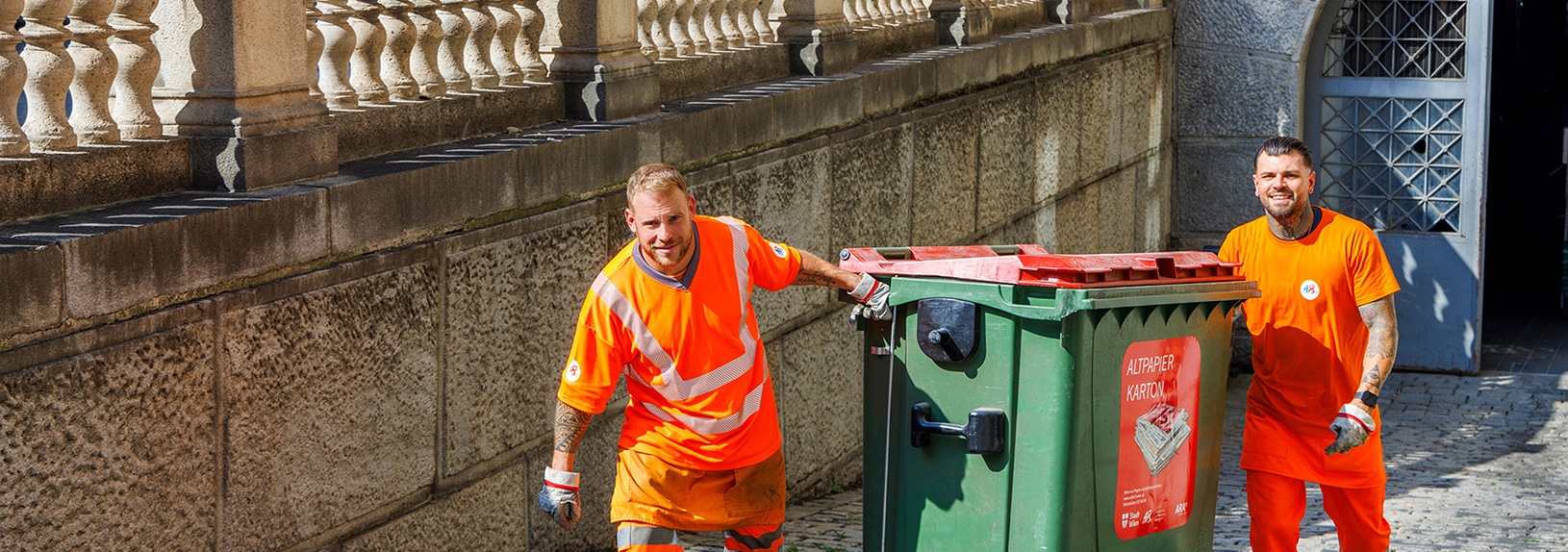
In Vienna, used cartonboard packaging begins its next journey in a paper collection container. MA 48 collects the material and takes it to transfer stations, where it is weighed, compacted and transported mainly by rail to recyclers for reprocessing.
If the packaging could describe the ideal start to that journey, its message would be simple: “I do not like having too much empty space around me. I prefer being packed tightly together with lots of other paper and cartonboard,” says Rainer Kronberger, Head of Waste Management Operations at MA 48.
The image is light-hearted, but the principle is serious: recyclability alone does not create a circular economy. Valuable fibres remain in circulation only when households separate packaging correctly, municipalities collect it efficiently and manufacturers create reliable demand for recovered material.
Collection starts with households
MA 48 is Vienna’s municipal department for waste management, street cleaning and vehicle fleet operations. Its role in the paper loop extends beyond collection: through campaigns and waste advisory services, it also raises public awareness of correct separation.
Household participation is essential. Recovered paper that is placed in residual waste is lost to the recycling process, while correctly separated material can return as a secondary raw material for new products.
MA 48 collects approximately 130,000 tonnes of recovered paper and cartonboard each year. At this scale, one simple action makes a major difference: flattening boxes before disposal.
“The most common mistake is placing empty cartonboard boxes in the container without flattening them first,” says Kronberger. “Large boxes should be taken to a recycling centre, while smaller boxes should be folded and flattened before being placed in the container.” More material then fits into each container, helping to prevent overflow and reduce collection journeys. MA 48 sums up the advice in a memorable Viennese phrase: “Mach’s kleiner – warat feiner!” (“Make it smaller – that works much better!”).
MA 48 at a glance
MA 48 is the City of Vienna’s municipal department for waste management, street cleaning and vehicle fleet operations. With around 3,000 employees, it supports a clean city and the circular economy through waste and recyclables collection, treatment services and public guidance on waste prevention and correct separation.
Correct separation protects fibre quality
Flattening improves collection efficiency; correct separation protects the quality of the recovered-paper stream. Yet a significant amount of household packaging still ends up in residual waste, preventing valuable fibres from being recycled.
Kronberger offers a practical rule for Vienna’s collection system: “If a paper-based pack can be torn, it belongs with recovered paper. If it cannot be torn, it should go into residual waste. Heavily soiled paper, thermal paper such as supermarket receipts, tissues, napkins and kitchen roll also belong in residual waste.”
Clear disposal guidance and packaging that is easy to flatten both support the system. Packaging designers and converters can help by incorporating features such as pre-folded lines, making packs easier for households to collapse before collection.
Industrial demand closes the loop
Collection alone does not close the loop. Recycling also depends on reliable industrial demand for the recovered fibres. Without secure, long-term outlets for the separately collected material, the system cannot function sustainably or economically.
This is where the long-standing partnership between MA 48 and MM Board & Paper becomes central. MA 48 is the largest individual supplier of recovered paper to MM’s Frohnleiten mill, including material collected from households. The direct agreement with the City of Vienna has been in place for decades and involves no intermediary waste management company.
Manufacturers such as MM Board & Paper turn recovered fibres into new recycled cartonboard. Around 60% of MM Board & Paper cartonboard grades are made from recycled material, helping to keep secondary raw materials in productive use.
Each participant has a clear role: households separate and flatten packaging; MA 48 collects, compacts and transports the material; packaging designers and converters support efficient disposal; cartonboard manufacturers turn recovered fibres into new products; and brand owners create market demand by specifying recycled cartonboard for their packaging.
“Collection and recycling can only function when there are secure outlets for the separately collected material,” says Kronberger. “We therefore need long-term partners who pull in the same direction.” When these roles work together, recovered fibres remain a valuable resource rather than becoming waste.
FAQs
MA 48 collects recovered paper across Vienna and promotes correct separation through public information and waste advisory services. The collected material is taken to transfer stations, weighed, compacted and transported mainly by rail to recyclers.
Flattening allows more material to fit into each container, helps prevent overflowing bins and reduces unnecessary collection journeys.
They provide reliable, long-term demand for recovered fibres and turn them into new recycled cartonboard, helping to keep valuable raw materials in circulation.