WLC delivers proven production performance
Production performance is often the key indicator of a new cartonboard specification’s success. It does not matter how nice any given board looks printed or how much it costs if it does not run well on existing lines. Yet when recycled cartonboard enters the conversation, many converters and brand owners still assume that choosing it means accepting a performance compromise.
Modern recycled cartonboard technology tells a different story. Practical trials and feedback from machine and tooling suppliers show that white lined chipboard (WLC) can deliver converting performance comparable to folding boxboard (FBB) when the line is set up correctly.
What ‘like-for-like’ really means for recycled cartonboard
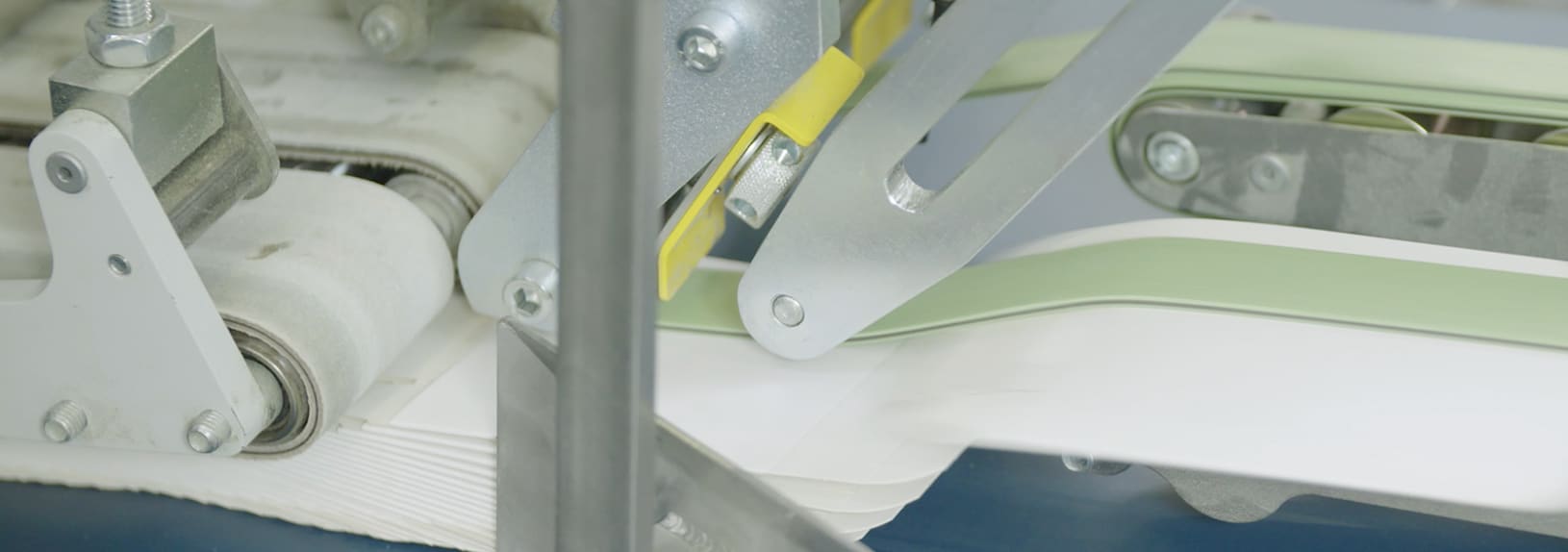
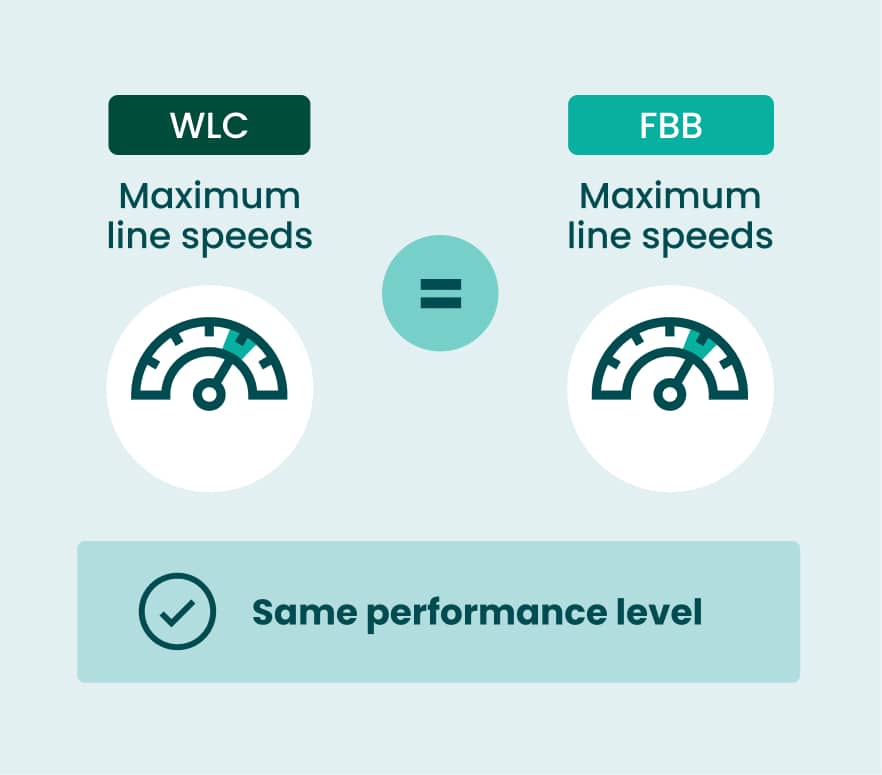
Recycled cartonboard and virgin fibre cartonboard may be different materials, but they can be matched on several key functional properties, for example, converting speed. Internal results show WLC can run at maximum line speeds at the same performance level as FBB when machine settings are adapted to the material. This ensures that converters who switch to circularity-supporting materials like WLC do not have to compromise on throughput.
This performance has been externally validated by leading machine and tooling suppliers. Companies including BOBST have confirmed there is no difference in top performance between relevant WLC and FBB in converting performance, with BOBST expressing its support for the full spectrum of converting performance, including both recycled and virgin fibre materials.
Karim Mohsen, BOBST Packaging Center Manager, said: “As a technology partner to the cartonboard industry, BOBST maintains a neutral perspective on virgin fibre and recycled cartonboard grades, focusing on performance and application requirements. Our experience shows that WLC can deliver reliable high-speed performance comparable with FBB.”
Converting quality has a direct impact on downstream packing performance, because creasing and gluing strongly influence how a folding box erects, fills and closes. Provided converting is done correctly, however, there is no performance difference between WLC and FBB on the packing line.
Real-world FMCG trials back this up. In tests with major brands, WLC ran at demanding speeds up to 10 packs per second, with excellent results and no performance disadvantage compared to FBB grades.
Why this matters for converters and brand owners
This level of performance grants converters peace of mind that WLC can run on existing lines without sacrificing throughput and efficiency. In practical terms, it means they can offer customers a recycled, high-performance cartonboard. For brand owners, it enables packaging that supports circularity goals while still meeting high-speed filling requirements.
Making informed material decisions
Informed cartonboard decisions depend on a realistic understanding of what the material can deliver in practice, which is why technical collaboration remains essential. MM Board & Paper’s Technical Product Service teams work closely with converters and brand owners to assess runnability, optimise machine settings and support implementation for individual packaging applications, helping to ensure material choices are based on proven performance rather than outdated assumptions about recycled cartonboard.
FAQs
Practical experience shows that WLC can run at maximum converting speeds for printing, cutting and gluing, with no performance gap versus FBB when machine settings are optimised.
Yes. Provided converting is done correctly, there is no difference in packing performance between WLC and FBB. Trials with major FMCG brands have shown WLC running reliably at speeds such as 10 packs per second.
WLC is both: it supports circularity and recycled-content targets while also delivering proven production performance in converting and packing.