How to Make Smarter Fibre-Based Packaging Decisions
For brands looking to make more responsible packaging choices, one question often arises – should we choose virgin fibre or recycled cartonboard? It is an important question, but rarely a simple one.
Packaging today has to do more than ever. It must protect the product, perform through production and logistics processes, meet consumer expectations, support sustainability goals and be compliant with evolving regulations. In that context, material choice matters. But the smartest decisions are not made by asking which material is universally better. They are made by understanding what the packaging needs to achieve.
Virgin and recycled fibres both have an important role to play in fibre-based packaging. In some applications, virgin fibre cartonboard may be the right choice because of its strength, purity, stiffness or specific performance requirements. It can be particularly suitable for demanding packaging applications, including premium consumer goods, pharmaceutical packaging and certain food packaging formats where technical performance and consistency are critical.
Recycled cartonboard, meanwhile, can be a strong choice where circularity, resource efficiency and responsible material use are key priorities. It supports the continued circulation of valuable fibres within a circular economy and can help brands make their sustainability commitments more visible through packaging.

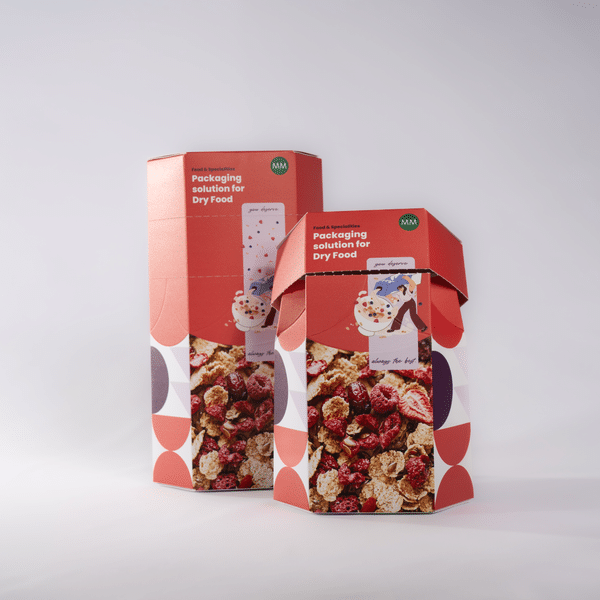
The real value comes from knowing where each option works best. A pharmaceutical carton, a premium beauty pack, a dry food box and an e-commerce solution will not all have the same requirements. Each application has its own performance demands, supply chain conditions, consumer expectations and end-of-life considerations. That is why material choice should be guided by the application, not by a single assumption.
Circularity also depends on more than the material itself. Packaging needs to be designed for the systems it will enter after use. Collection, sorting, recycling infrastructure and clear consumer communication all influence whether packaging can successfully remain in circulation as a valuable material.
This is where early, joined-up thinking matters. Material choice should be considered alongside packaging design, functionality, regulatory expectations, sustainability data and consumer claims before final specification.
The focus here at MM Group is on helping customers make informed packaging decisions. That means looking at the full picture: what the product needs, how the packaging will perform, what sustainability goals it should support and how it can fit into real recovery systems.
Choosing between virgin fibre or recycled cartonboard is not about choosing sides. It is about selecting the right fibre-based solution for the right application, with the right evidence behind it.
Frequently Asked Questions
Neither is automatically better. The right choice depends on the product, packaging performance requirements, sustainability goals, regulatory considerations and the intended end-of-life route.
Virgin fibre may be suitable where high strength, purity, stiffness, food-contact suitability, premium appearance or specialist technical performance is required.
Recycled fibre can be a strong option where brands want to support circularity, reduce reliance on virgin resources and demonstrate responsible material use through their packaging.
Material choice can affect product protection, resource use, recyclability, emissions reporting, consumer perception and how effectively the packaging performs throughout its lifecycle.
Recyclability influences packaging decisions by requiring the full packaging system to be considered, including materials, design elements and the available collection and sorting infrastructure in the relevant market.