The Dual Benefits of Choosing a Plastic Substitute in Product Packaging
Brands today face a complex challenge: how to meet rising consumer demands for sustainability while navigating strict regulatory landscapes and tight economic pressures. With inflation and the cost of living affecting everyday choices, consumers are judging brands more critically. They want visible value, but they also want to see tangible environmental action. In fact, 84% of European consumers prefer cartonboard over plastic packaging due to its clear recyclability, and nearly three-quarters will choose a sustainable option if the price matches alternatives.
This shift in consumer behaviour makes finding a reliable plastic substitute a strategic necessity for protecting brand equity. When companies transition to fibre-based packaging, they unlock dual benefits: a significant reduction in plastic waste and a reduced environmental impact. By combining CO₂ reduction with circular design, brands can accelerate sustainability goals while keeping performance and compliance on track.
Reducing Waste with a Circular Plastic Substitute
The first major benefit of adopting a plastic substitute is its profound impact on waste reduction and circularity. As European regulations tighten, avoiding the pitfalls of single-use materials is crucial. Transitioning to sustainable alternatives helps companies stay ahead of these requirements without adding complexity to the supply chain. If brands are unsure where their current materials stand, understanding why a packaging portfolio audit is the first strategic move for EU PPWR is an excellent place to start.
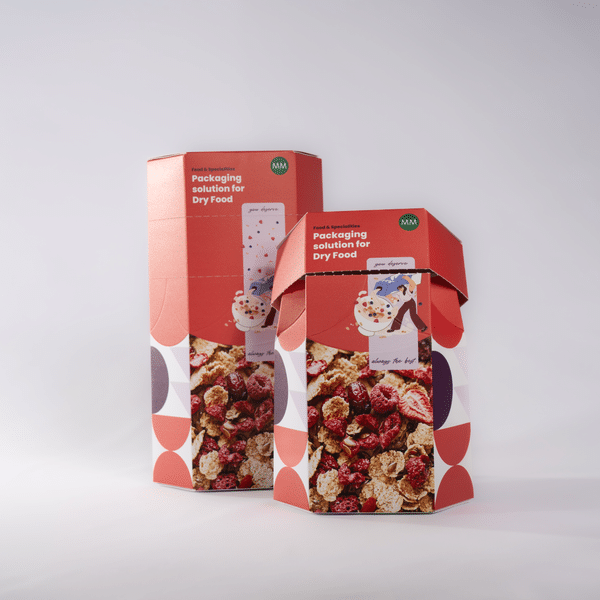
MM Group offers fibre-based packaging solutions designed with recyclability in mind. By keeping fibres in circulation for as long as possible, the company reduces the consumption of natural resources such as energy, water and wood. Circularity also enables more efficient regional waste management and helps reduce waste sent to landfill. When a brand embraces fibre-based packaging, it is choosing a versatile solution that seamlessly integrates into existing recovery streams, supporting collection and recycling systems that help keep materials in circulation.
Driving Circularity Through Design
To truly minimise waste, packaging must be designed with its entire lifecycle in mind. This is where a high-performing plastic substitute shines. MM Group provides innovative solutions to reduce plastic packaging materials, ensuring that products are protected while actively supporting environmental targets. Whether companies are transitioning to full fibre packages or seeking advanced barrier solutions, the goal is to simplify the end-of-life process for consumers. Recent developments in cartonboard barriers demonstrate that grease, water and oxygen protection can increasingly be achieved while maintaining high recyclability.
Reducing Environmental Impact Through a Plastic Substitute
Beyond waste, the second critical benefit of integrating a plastic substitute into a packaging portfolio is the lower environmental impact. For most consumer goods and foodservice brands, the largest portion of the carbon footprint lies in Scope 3 emissions (those generated upstream and downstream within the supply chain). By rethinking material choices and exploring targeted plastic replacement strategies, companies can lower these indirect emissions and build a more resilient value chain.
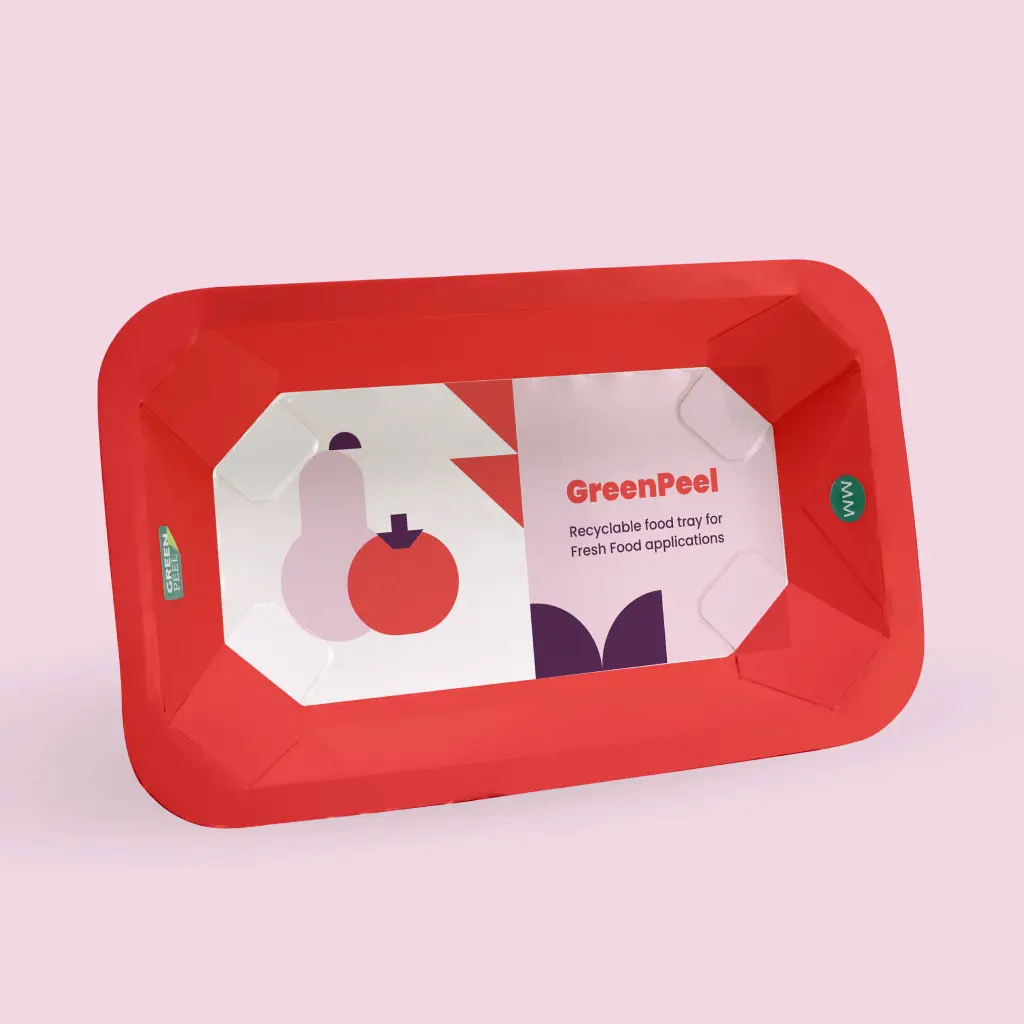
As a leading global supplier of fibre-based packaging solutions, cartonboard and paper are the core of MM Group’s business activity. The company understands that packaging decisions must seamlessly support broader climate goals. That is why MM Group is continuously reducing its carbon footprint, has set science-based CO2 reduction targets for its direct and indirect emissions and is implementing a comprehensive supplier engagement program.
When brands select fibre packages produced with a high share of renewable energy, they are actively decarbonising their product’s journey to the shelf. At MM Group, 96% of purchased electricity comes from renewable or low-carbon sources.
Transparent Data for Confident Claims
Brands must back up environmental claims with robust data. Consumers expect absolute transparency. MM Group supports customers with transparent data, including life-cycle-based carbon footprint information. This empowers brands to communicate the emissions reductions achieved by their plastic substitute with total confidence.
Building Consumer Trust and Brand Value with a Plastic Substitute
Ultimately, packaging is a daily, high-frequency touchpoint that influences brand loyalty. Across Europe, 37% of consumers have switched brands because of packaging concerns, often because a product looks non-recyclable, feels excessive, or relies too heavily on fossil-based plastics. By shifting to a credible plastic substitute like recycled cartonboard, companies send a highly visible message that the brand cares about the planet.
“In packaging, sustainability only matters if it also protects value, trust and operational performance at scale,” notes Bernhard Heneis, Head of Group Sustainability at MM Group. “Value must be visible, communication clear and cost discipline built-in.”
Sustainability cannot be positioned merely as a premium feature; it must fit tight cost targets and deliver operational performance. When brands utilise fibre-based packaging, they are investing in materials that perform reliably at an industrial scale without hidden trade-offs. Consumers are quick to sanction tactics like shrinkflation—with 80% saying they will penalise a brand if they recognise it—but they remain loyal to brands that deliver clear, practical value.
MM Group has been recognised for its outstanding environmental stewardship, earning Triple A ratings from CDP for the Climate, Forests and Water Security categories. These ratings underscore MM Group’s commitment to transparency, responsible resource management, and continuous environmental improvement. Additionally, the company has been recognised with a gold rating for its achievements in the four pillars of EcoVadis, which include environment, labour and human rights, ethics and sustainable procurement.
When partnering with MM Group to find the right plastic substitute, brands are choosing an expert guide equipped with the data and global scale to make the transition a success. Together, companies and MM Group can unlock the dual benefits of reduced plastic waste and reduced environmental impact, helping brands protect their value and inspire trust.