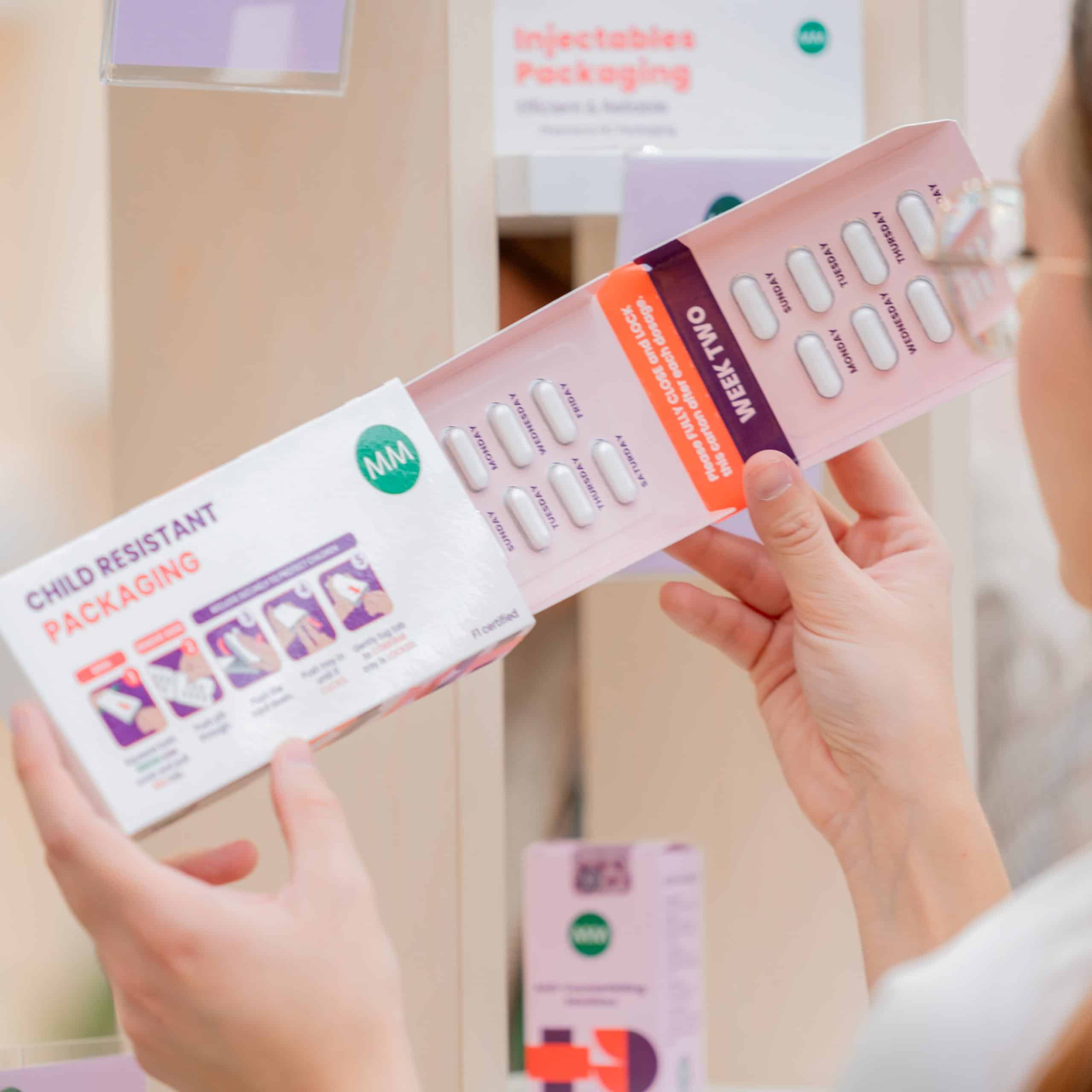
Direct-to-Patient packaging: when healthcare moves home
As healthcare moves closer to home, Direct-to-Patient models are creating a new touchpoint between pharmaceutical companies and patients. Packaging has an important role to play.
Healthcare is moving closer to home.
Telemedicine, online pharmacies, at-home diagnostics and Direct-to-Patient (DTP) models are changing not only how patients interact with healthcare providers, but also how medicines reach them.
The expansion of DTP is also changing the conversation within pharma. In a 2025 industry survey cited by Fierce Pharma, 73% of pharma leaders surveyed said their company was running or planning to launch a DTP programme in the following year, while half expected direct sales to become standard practice within five years.
For pharmaceutical packaging, that shift raises an interesting question:
What happens to packaging when the pharmacy moves into the patient’s home?
From distribution to patient touchpoint
Traditionally, tertiary pharmaceutical packaging has primarily had a logistical role: protecting products as they move through the supply chain and ensuring they reach their destination safely.
Direct-to-Patient changes the context.
When a medicine is delivered directly to someone’s home, the package arriving at the doorstep becomes a physical touchpoint with the patient.
Protection remains essential. But discretion, accessibility, tamper evidence, information and ease of use become part of the conversation too.
Packaging becomes part of a much broader patient experience.
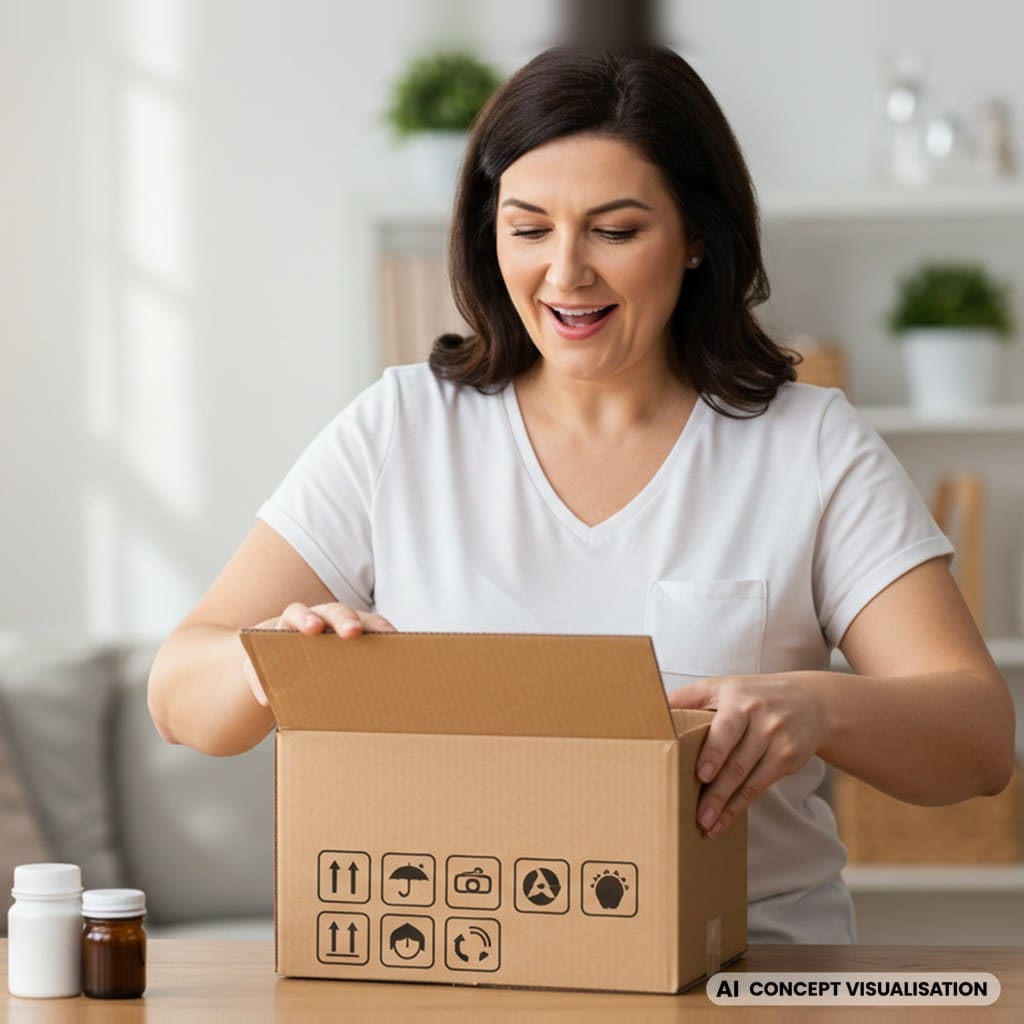
Designing pharmaceutical packaging around the patient
DTP invites us to think beyond the shipping format and consider the person receiving and opening the treatment.
That means combining the rigorous requirements of pharmaceutical packaging with a more patient-centric approach to design.
The point isn’t to turn medicines into consumer products.
It’s to recognise that there is a person on the other side of the package.
Does pharma need an unboxing experience?
Perhaps, but not in the traditional consumer sense.
Consumer brands have turned unboxing into a deliberately designed moment between receiving a package and using a product. In pharmaceutical home delivery, the objective is fundamentally different.
The working relationship did not end there. Following completion of the project, the sponsor extended the partnership to cover additional clinical studies. In a sector where supplier trust is built on right-first-time performance and the ability to absorb complexity without passing it back, that decision speaks clearly.
In pharma, unboxing isn’t about creating theatre. It’s about removing friction and designing around the needs of the patient.
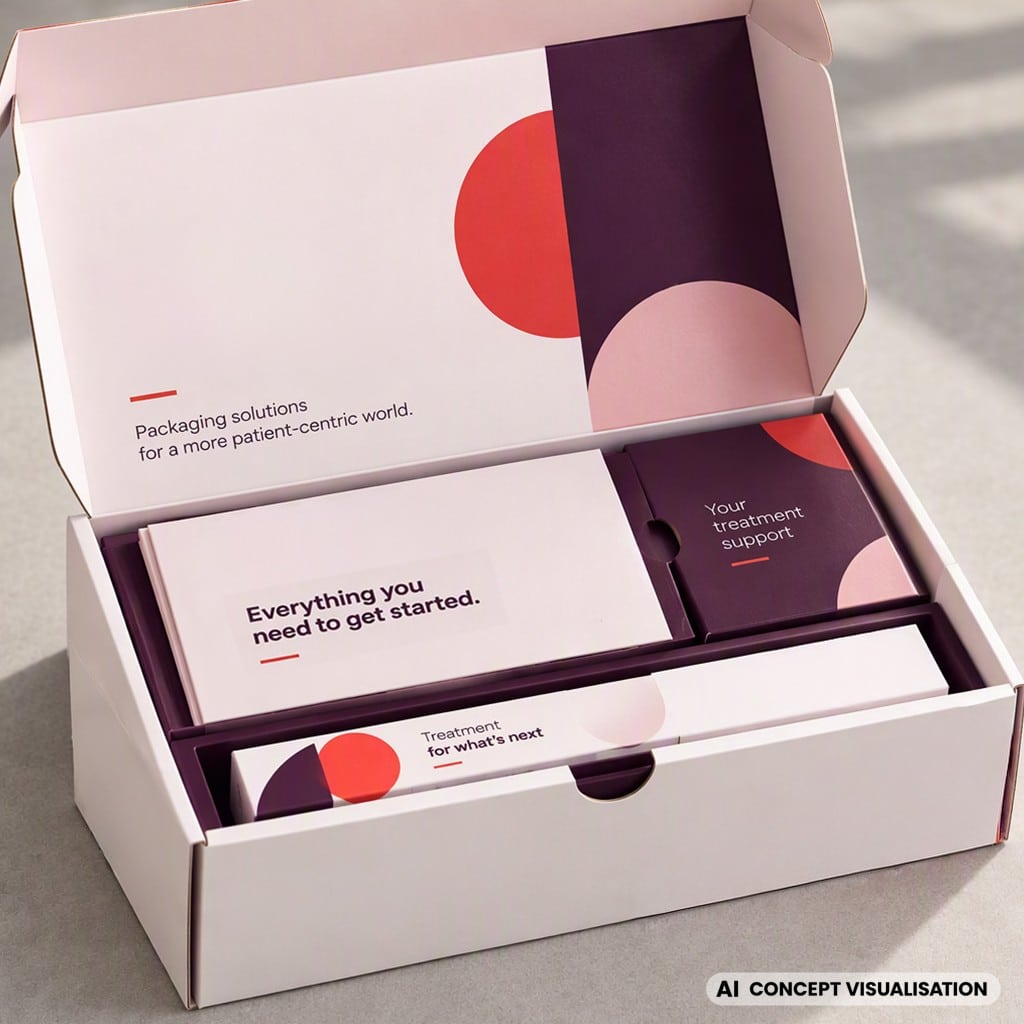
A discreet exterior can help avoid drawing unnecessary attention to the delivery of a medicine. Inside, thoughtful packaging design can facilitate clear information, intuitive access to the product and an experience appropriate to the treatment.
What works on a retail shelf isn’t necessarily what works on someone’s doorstep.
This is where Direct-to-Patient packaging and patient experience increasingly meet.
From package to communication channel
The opportunity goes beyond the physical opening experience.
Connected packaging technologies such as NFC, together with solutions for monitoring temperature-sensitive medicines, create opportunities to consider the pack as part of a wider patient journey.
Packaging can provide information and make interaction with the treatment more intuitive.
In other words, packaging has the potential to become a bridge between the physical medicine and the wider patient experience.
The last mile becomes part of the patient experience
Direct-to-Patient is often discussed in terms of pharmaceutical home delivery, access, digital platforms and new relationships between pharma companies and patients.
Packaging deserves to be part of that conversation too.

Do you want to keep finding us easily on Google?
Add us as a preferred source and give our content greater prominence when searching for information on Google.