Lean Manufacturing for Fibre-Based Packaging: Optimising Processes and Material Flow
Fibre-based packaging production involves a wide range of interconnected activities, from material handling and production planning to quality control and logistics. To meet customer requirements efficiently, organisations continuously review how materials, information and work move through their operations.
Lean manufacturing provides a structured way for analysing processes, identifying non-value-adding activities and improving operational flow. Rather than focusing on individual tasks in isolation, lean encourages organisations to understand how different parts of a process interact and where opportunities for improvement may exist.
What is lean manufacturing?
Lean manufacturing is an operational management approach focused on creating customer value by improving process flow and reducing activities that do not contribute to that value. Originally developed through the Toyota Production System, lean principles are now widely applied across manufacturing and other operational environments.
A practical definition of lean manufacturing goes beyond cost reduction. It combines structured problem solving, standardised processes and continuous improvement to help organisations better understand how work is performed and where inefficiencies occur.
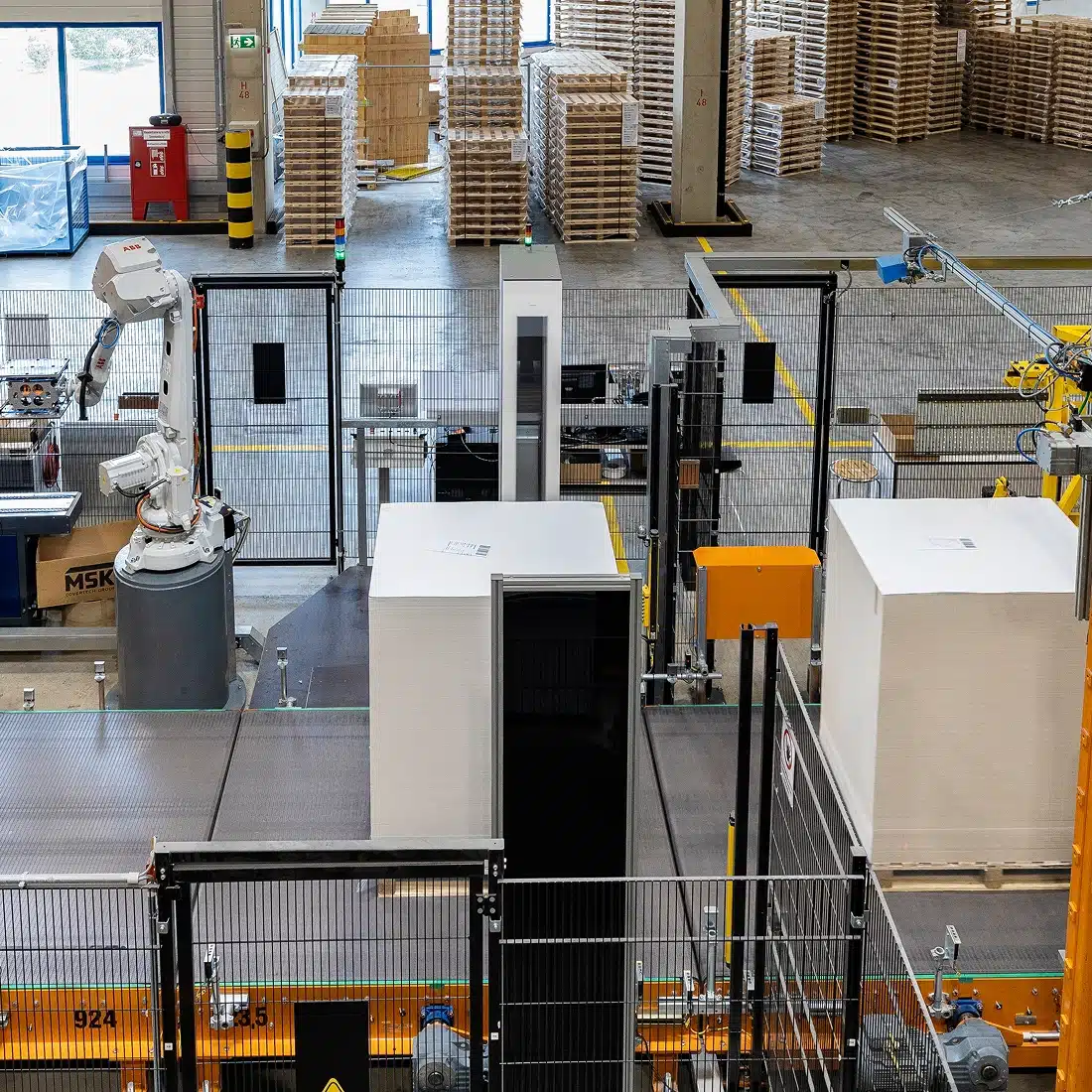
The five lean manufacturing principles for fibre-based packaging
The five principles of lean manufacturing provide a framework to analyse processes and identifying opportunities for improvement:
- Define value from the customer’s perspective.
- Map the value stream and identify activities that do not contribute to value.
- Create flow by reducing interruptions, bottlenecks and unnecessary delays.
- Establish pull by producing in response to actual demand.
- Pursue perfection through continuous improvement.
Together, these principles provide the foundation of a lean manufacturing system.
Applying lean manufacturing techniques to packaging processes
Lean principles become practical through day-to-day improvement activities. Common lean manufacturing techniques include 5S, Value Stream Mapping, Standard Work, Kaizen, Kanban and Root Cause Analysis.
These methods can help teams organise workplaces more effectively, visualise process flows, improve process consistency, manage production flow, and investigate the causes of recurring issues.
In fibre-based packaging production, organisations may analyse how materials move through the manufacturing process and where waiting times, unnecessary movement, excess inventory, defects or repeated processing activities occur. Production data, operational observations and quality information can support these assessments by providing insight into current performance and helping teams prioritise improvement opportunities.
Lean improvement is often approached as a continuous cycle: understanding the current state, identifying opportunities, testing changes, evaluating outcomes and refining processes where appropriate. The emphasis is on evidence-based decision-making and continuous learning.
Process optimisation can also benefit from broader visibility across the value chain. Supplier data may provide additional insight into materials and production-related information. MM Group explores this topic further in its article on supplier data and value chain emissions, as well as in the article on Product Carbon Footprint data for Scope 3 reporting.
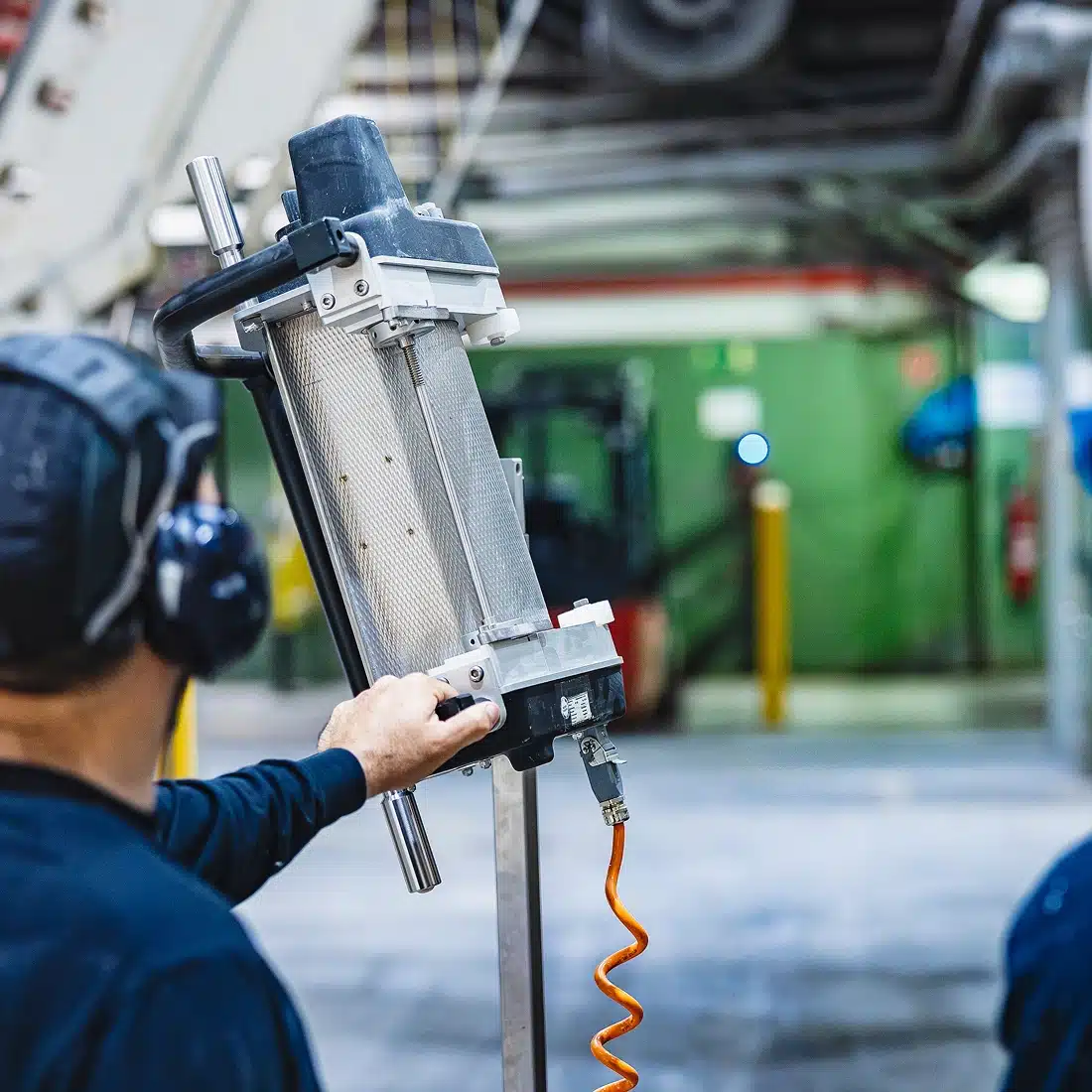
From lean management to continuous improvement
Lean delivers the greatest value when continuous improvement becomes part of everyday operations. This requires a working environment in which employees can identify issues, analyse causes, follow established standards and contribute improvement ideas based on operational experience.
For fibre-based packaging manufacturers, lean provides a structured framework for understanding process performance, improving operational flow and supporting consistent product quality. Rather than prescribing a single solution, it offers methods for analysing how processes work and determining where improvement efforts can be most effective.
Frequently Asked Questions On Lean Manufacturing
Lean manufacturing is an operational approach that focuses on identifying non-value-adding activities, improving process flow and strengthening customer value creation. In manufacturing environments, it can support process analysis, operational consistency and continuous improvement activities across production, quality management, logistics and material handling.
The five principles are defining value, identifying the value stream, creating flow, establishing pull and pursuing perfection. Together, they provide a structured framework for understanding customer value, analysing processes and supporting ongoing improvement efforts.
The seven wastes are defects, overproduction, transportation, waiting, inventory, motion and overprocessing. These describe activities that consume time, materials or resources without adding value from the customer’s perspective. In packaging production, examples may include unnecessary material movement, excess inventory, production ahead of demand, avoidable processing steps or defective output requiring rework.