Supply Chain: Understanding Value Chain Emissions Through Supplier Data
Building a better understanding of value chain emissions requires organisations to identify where emissions arise across their operations and supply chains. For many businesses, this means looking beyond their own activities and engaging more closely with suppliers.
As explored in our article on enhancing Scope 3 emissions reporting through supplier engagement, supplier-specific information can provide a more detailed picture of emissions associated with purchased goods and services. The next step is to use this information to strengthen transparency and support more informed decision-making across the value chain.
The role of supplier data in understanding value chain emissions
Supplier data can provide greater visibility into the materials, processes and activities behind purchased goods and services. Compared with generic averages, more specific information may help organisations understand where CO₂ emissions arise and how emissions profiles vary across suppliers, products and activities.
This does not mean replacing secondary data entirely. Where supplier-specific information is unavailable or insufficiently reliable, recognised secondary data sources can remain appropriate. The focus is on using the most relevant information available while continuously improving data quality.
For organisations pursuing net-zero objectives, supplier data can provide a stronger basis for understanding value-chain emissions and identifying areas that may warrant further analysis.
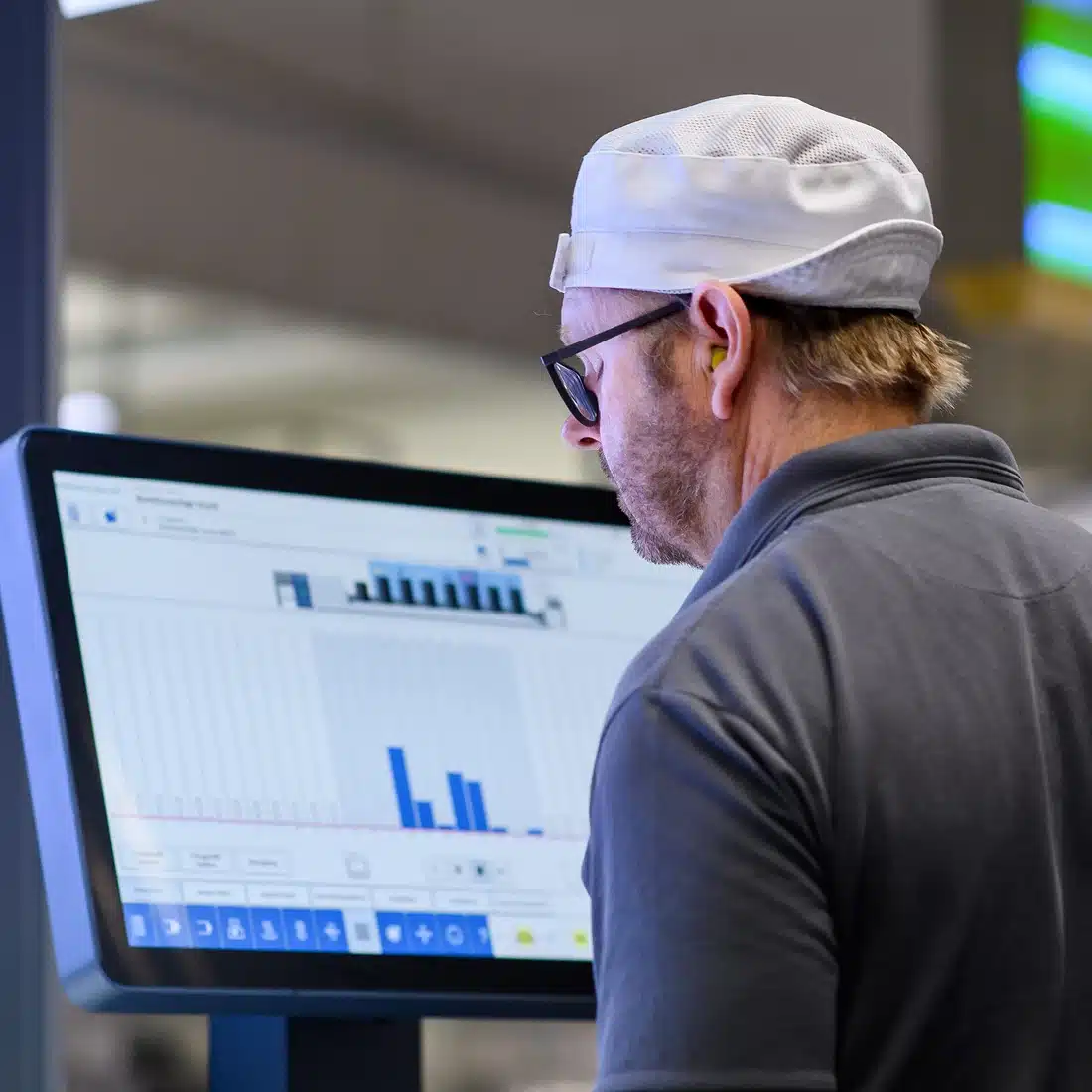
Turning supplier data into actionable insights
Data creates the greatest value when it supports informed decisions. Information from suppliers may help organisations identify activities, materials or processes that deserve closer examination and provide additional context for emissions assessments.
For example, supplier information relating to materials, energy use or production processes can provide greater visibility into greenhouse gas emissions associated with purchased goods and services. This may help procurement and sustainability teams better understand how different factors influence value-chain emissions and support data-driven decision-making.
The aim is not to assume that one approach will be suitable for every supplier. Rather, supplier-specific information can help organisations assess individual circumstances and determine where further analysis or engagement may be appropriate.
Strengthening supplier collaboration through data
Collecting primary data is also an opportunity to strengthen dialogue with suppliers. Clear expectations, regular communication and a structured approach can help organisations build a shared understanding of data requirements and reporting practices.
As outlined in MM Group’s Supplier Code of Conduct, supplier engagement forms part of a broader approach to responsible sourcing. Ongoing dialogue helps create the basis for long-term collaboration and supports greater transparency throughout the supply chain.
Combining supplier-specific information with regular engagement can provide a more informed foundation for discussing emissions-related data, improving reporting quality and supporting longer-term planning.

Building a more informed approach to value chain emissions
There is no single measure that can transform a supply chain. Improving the quality of supplier data, prioritising the most relevant activities and maintaining constructive supplier relationships can instead contribute to a more informed understanding of value-chain emissions.
Supplier engagement can therefore extend beyond data collection. It can become part of an ongoing process of improving transparency, assessing available information and working with business partners to support informed decision-making.
Frequently Asked Questions About Supplier Data and Value Chain Emissions
In the context of supply chains, net-zero strategies require organisations to understand greenhouse gas emissions across relevant value-chain activities. Supplier-specific information can help organisations assess value-chain emissions, improve transparency and identify areas that may warrant further analysis.
Suppliers can provide information about the materials, energy use and processes associated with purchased goods and services. This may provide organisations with a more detailed basis for Scope 3 emissions calculations and help them understand how emissions vary across activities, products or suppliers.
Where available and sufficiently reliable, primary data can provide a more specific representation of activities within a value chain. This may improve the basis for calculating CO₂ emissions and provide greater visibility into relevant emission sources. Secondary data can remain appropriate where supplier-specific information is unavailable.
Supplier data can help organisations identify activities, materials or processes that may warrant further analysis. It can also provide additional context for discussions with suppliers about factors that influence value-chain emissions, including sourcing decisions, production processes and material choices.
Supplier engagement can help improve data quality, strengthen transparency and support a better understanding of value-chain emissions. Combined with ongoing collaboration and monitoring, this can provide organisations with a stronger information basis for emissions reporting and broader climate-related decision-making.