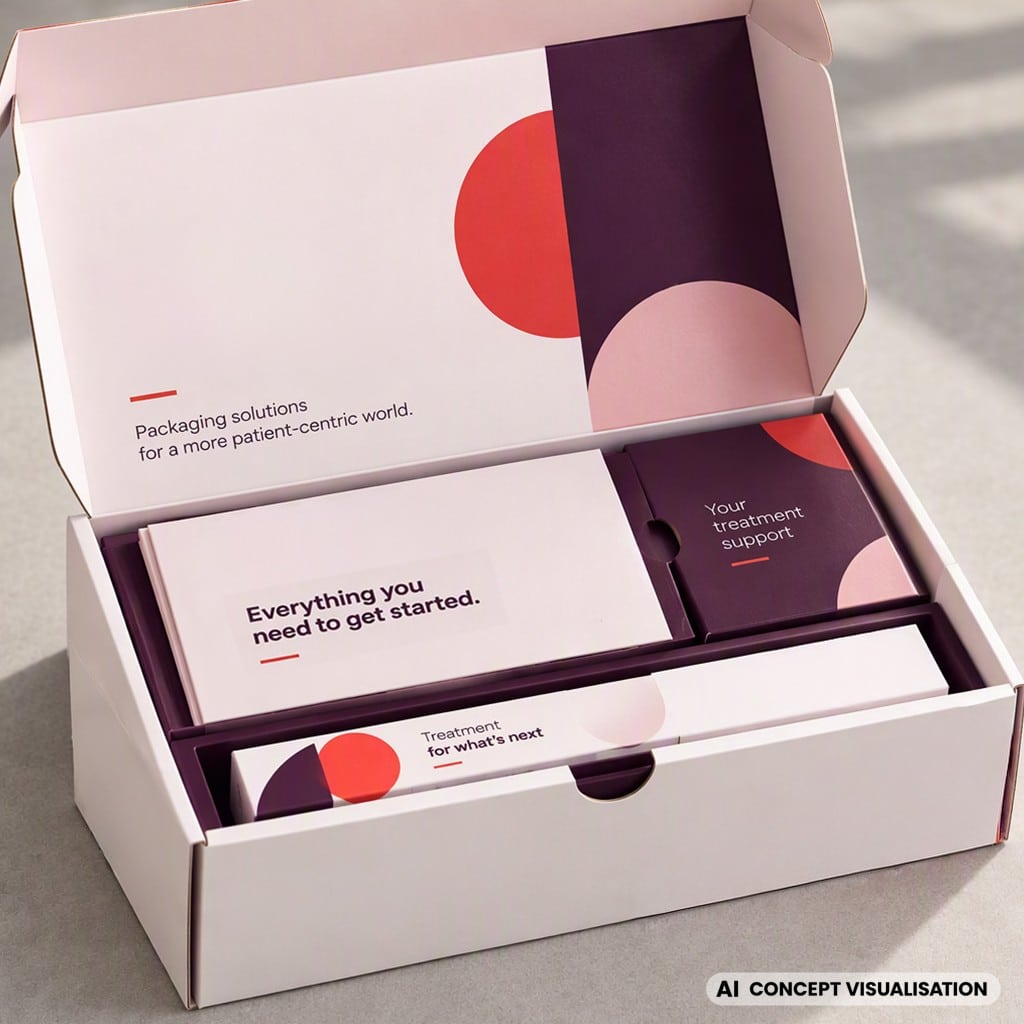
Closing the patient trust gap through connected pharmaceutical packaging
For many decades, trust in a medicine was built at the pharmacy counter. A patient handed over their prescription, a pharmacist handed back a box, and the exchange carried reassurance.
That exchange is changing with the rise of online pharmacies, direct-to-patient delivery and self-administered therapies that mean more medicines now reach people without that face-to-face moment. This adds complexity to both verification of authenticity, as well as patient adherence.
The pharmacy counter is steadily disappearing, and the reassurance it provided is disappearing with it. But why is that? Recently published research from pharma labelling specialist Avery Dennison puts numbers to what fills the void.
What patients are telling the industry
The study surveyed 5,000 patients across the US, UK, Germany and France, and the picture it paints is one of unease. Sixty per cent worry that their medication could be counterfeit. Considering the FDA’s warning over fake Ozempic and estimates that the vast majority of the world’s online pharmacies operate illegally, that concern looks well founded.
As reported in the study, more than three-quarters of patients want visibility into where their medicine comes from and how it was handled, and eighty-three per cent would like to check authenticity themselves using a smartphone. This shows the importance of pharmaceutical traceability to patients, not just to regulators. In terms of accessibility and ease of use in pharma packaging, 48% report finding medication instructions confusing at some point during treatment, while only 43% say they always take their medication exactly as prescribed. These two findings are highly significant. When instructions are unclear or support feels out of reach, adherence slips, and with it the outcome the medicine was prescribed to achieve. Packaging that carries guidance, reassurance and a direct route to pharmacist support at the point of use can help close that gap. The report shows that patients are not simply asking to be protected, they are asking to be included.
Packaging’s expanding role
Traditionally, pharmaceutical packaging has had three main jobs: protect the product, ensure safety and satisfy the regulator. Those remain non-negotiable, yet the research points to a fourth role emerging alongside them, one where packaging becomes a channel for communication and reassurance.
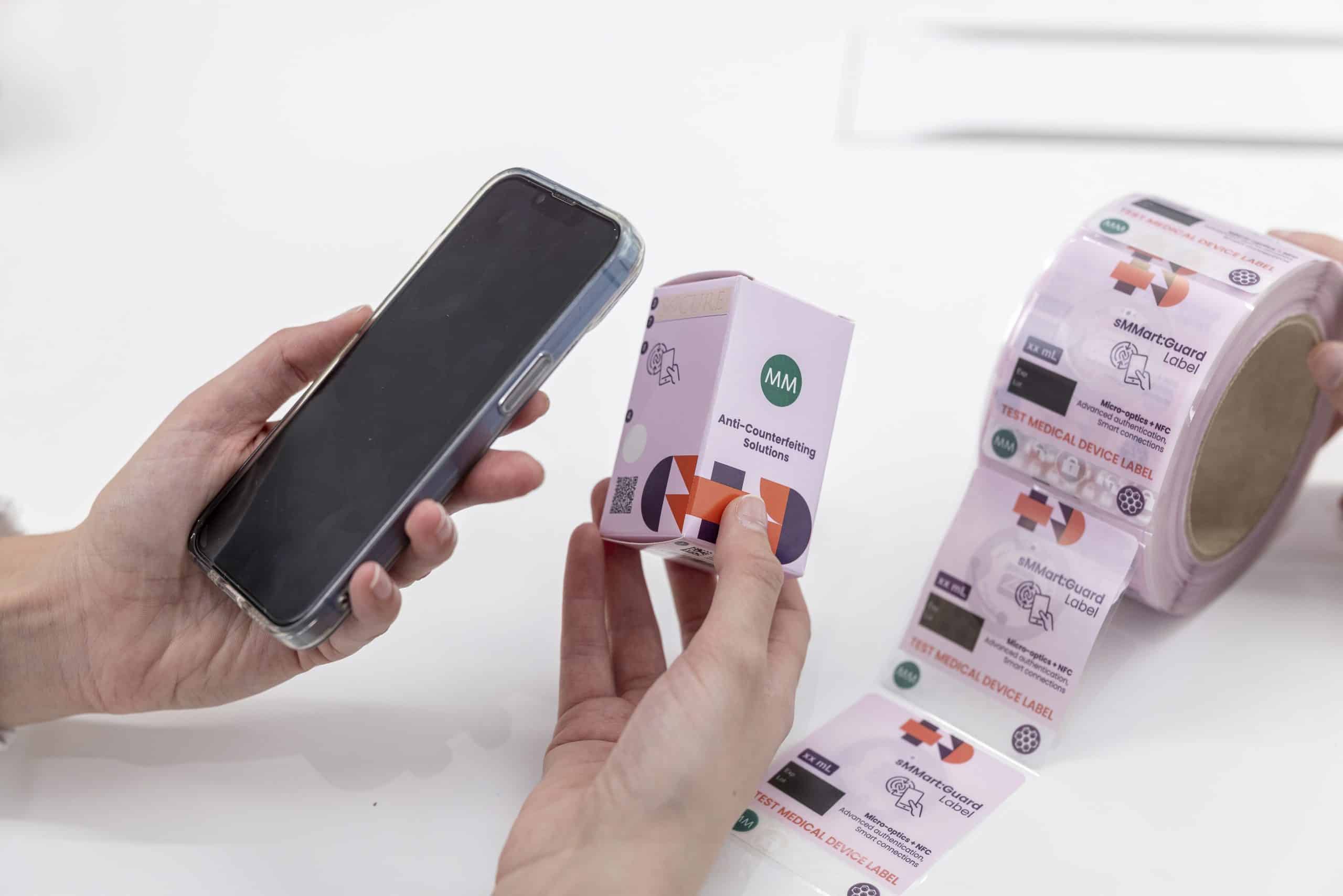
Packaging is where the physical and digital sides of healthcare connect. A carton or label is the one element of the entire supply chain that every patient actually holds in their hand. That makes it uniquely placed to carry not just a product, but a connection.
This can include everything from provenance data and dosage guidance to the simple confidence that what is inside is genuine. The study found that 87% of patients would welcome pharmacist support they could reach through the pack itself.
Reassurance that a medicine is genuine is only part of what patients are asking for. The research shows they also want clearer instructions, easier access to information and support they can reach throughout their treatment, not just at the moment they open the box. This points to a wider role for packaging: helping patients understand and stay on their treatment, not only trust it.
From protection to connection
Much of the technology to help close the patient trust gap already exists. Serialisation and coding are pharmaceutical authentication tools that can validate medicines as they move through the supply chain.
NFC chips, which can be encoded in-house by MM Pharma & HC Packaging in a high-security environment, are a smart packaging technology that let a patient tap a pack with their phone, confirm it is genuine, and reach clear guidance on how to take it. Layered anti-counterfeiting features add further defence against increasingly sophisticated fakes.
In addition to the benefits in terms of authentication, connected packaging can also support medication adherence by providing patients with easy access to dosage instructions, educational resources, treatment support services and digital tools that improve the treatment experience.
The change is less about inventing new tools than about pointing proven ones at a new audience. For years, authentication and traceability worked in the background, reassuring manufacturers and regulators. The opportunity now is to bring that effort to the forefront to prioritise patient engagement and trust.
The latest Avery Dennison study illustrates how the industry has spent years making medicines safe, secure and compliant, but the next challenge is making that visible to the people who matters most; the users. Packaging, held in the hand engaged with directly, may prove to be one of the most valuable places to begin.
To explore how connected packaging can support patient trust across your portfolio, speak to the team at MM Pharma & Healthcare Packaging.

Do you want to keep finding us easily on Google?
Add us as a preferred source and give our content greater prominence when searching for information on Google.