How Are Trends Shaping Premium Spirits Packaging?
Premium spirits are part of a timeless industry, with brands having roots that go back centuries. However, these brands are still subject to the trends and consumer preferences that drive the market.
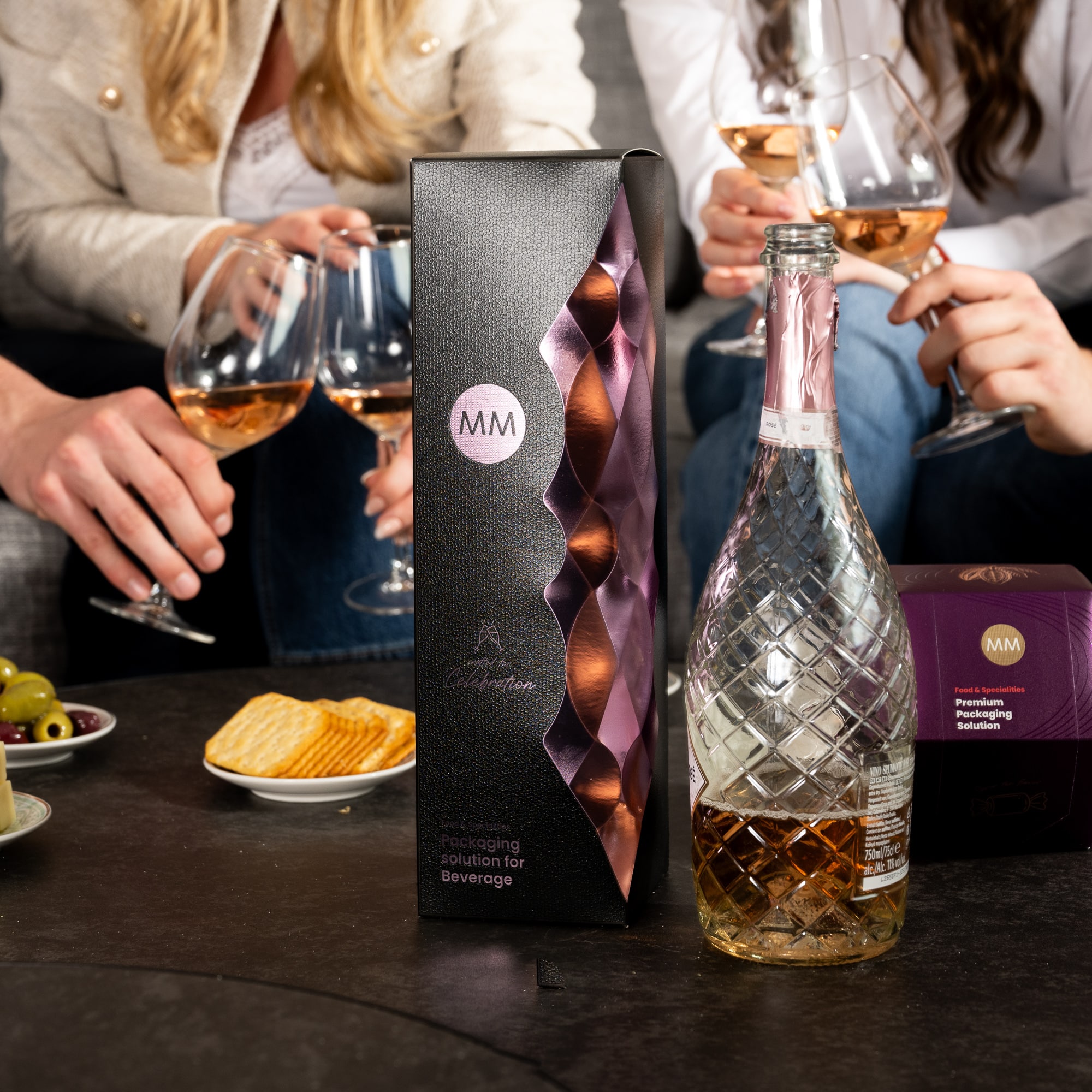
The most successful are able to walk the line between contemporary and classic. The right choice of secondary packaging material is central to achieving this balance, offering a huge range of possibilities for creative designs that bring a brand to life while delivering on the needs of modern consumers.
Sustainability shaped around the product
Sustainability is not a new trend – you could argue it’s no longer a trend at all, rather just another permanent consideration – but the nature of premium spirits means it interacts with the industry in several unique ways.
Luxury spirits have traditionally relied on excess in packaging; heavyweight materials, oversized cartons and bottles, elaborate openings and closures, and more. Evolving regulations around empty space and recyclability, such as the EU’s Packaging and Packaging Waste Regulation (PPWR), change that dynamic.
That means being careful to balance premium aesthetics with product protection, scalability, and sustainable compliance. Premium cartonboard materials offer a huge range of possibilities to tick all of these boxes, and they can be integrated with other fibre-based solutions to create a fully recyclable secondary pack that loses none of its impact.
Moulded pulp, for example, can be sculpted around the shape of the bottle, offering enhanced protection while also employing premium finishing techniques to create an eye-catching silhouette on-shelf.
Premiumisation without excess
While consumers expect sustainable packaging, they still want the experience of buying and consuming a spirit to feel luxurious and indulgent. Increasingly, this must be accomplished without using more material.
This puts strategic creative design in the spotlight. A single embossed detail or carefully hot stamping element can have more impact than all-over embossing and using hot stamping. It all depends on that sense of craftsmanship that ensures secondary packaging acts as an extension of the brand; one that consumers can touch and feel.
Minimalist design keeps the focus where it belongs
Combining these two trends creates the opportunity to explore another: Minimalism.
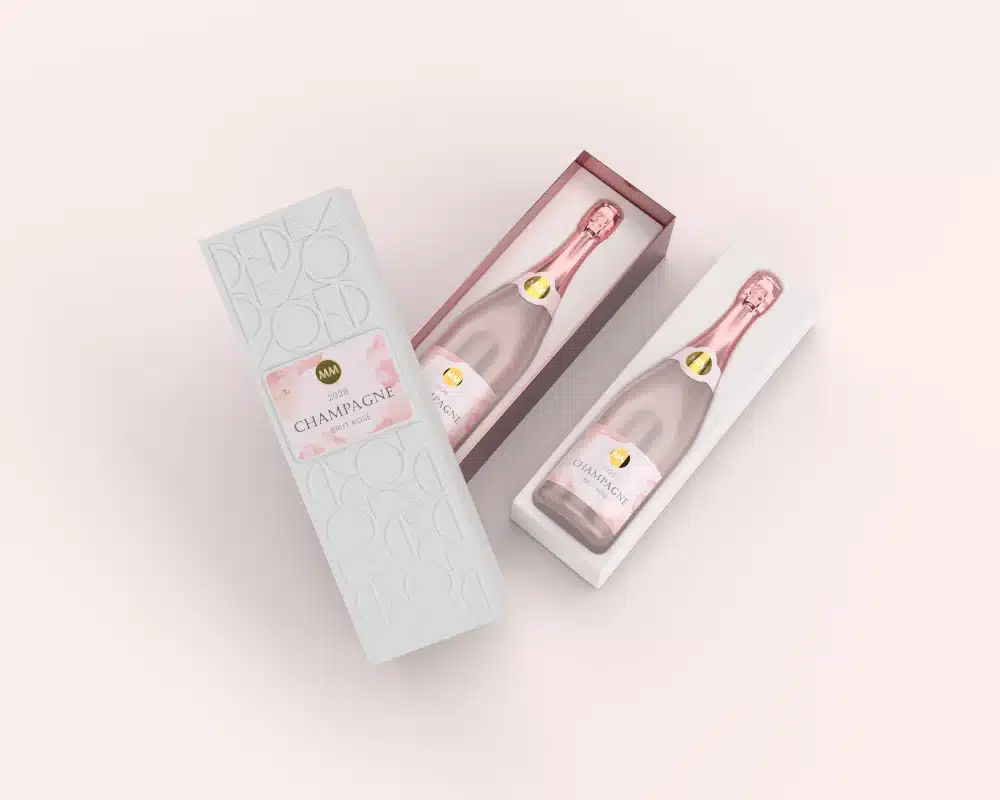
Minimalism doesn’t necessarily mean overly simple and restrained. It’s about being intentional in design. Rather than removing elements, minimalism should be about making every element earn its place. It’s a proactive mindset, not a reactive one. And this is where materials like cartonboard and moulded pulp demonstrate their value.
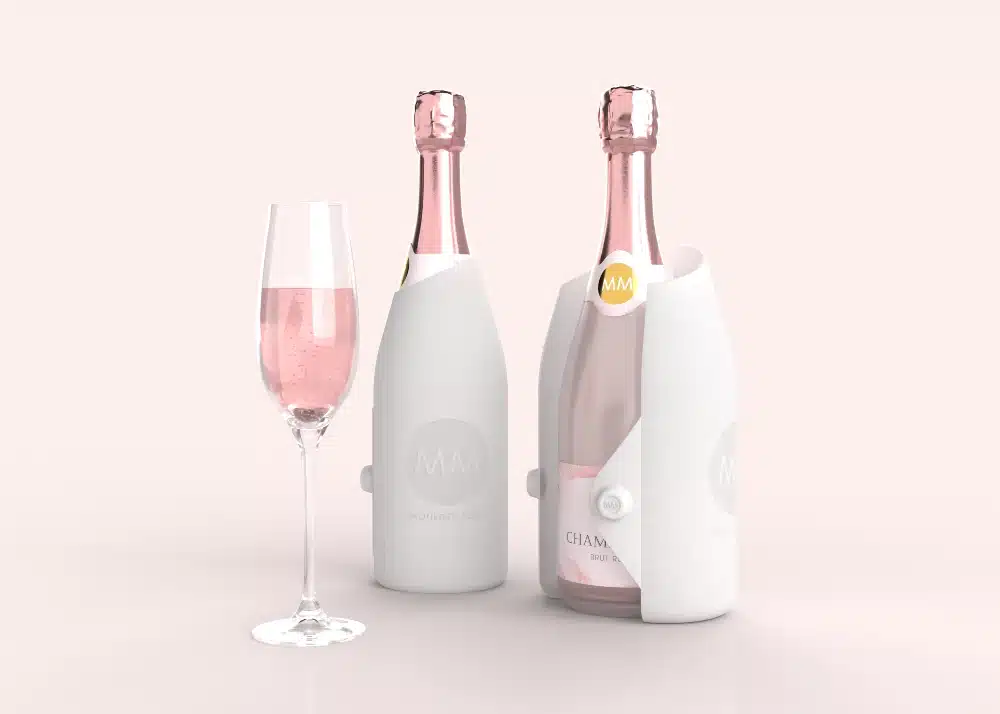
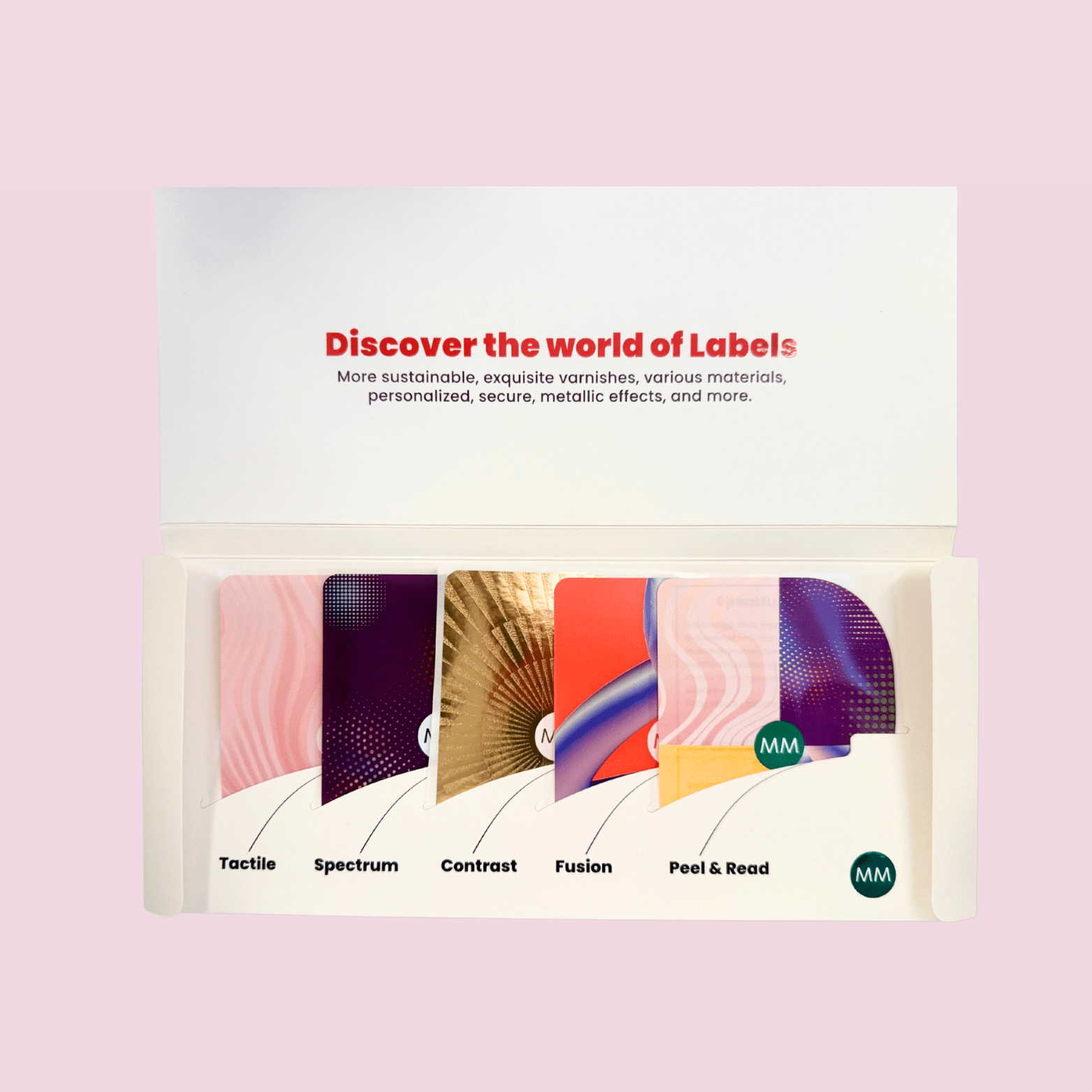
Subtly incorporating changes in proportions, texture, typography, and finishing can create a multi-sensory tactile experience that engages consumers on a deeper level than an excessively decorated pack ever could. At the same time, it keeps the focus on the brand story and heroes the bottle. Less visual clutter keeps the attention where it belongs.
At MM Packaging, our team of experts is on hand to help bring your brand to life using advanced materials and creative finishing, leveraging your unique story to grab the attention of today’s discerning consumers.
Get in touch today to learn how we can support you.