Closing the Loop: How MM Kotkamills Turns Fibre Sludge into Agricultural Value
At MM Kotkamills, a production side stream is becoming a valuable resource for Finnish agriculture. Through an eleven-year partnership with Soilfood, fibre sludge is refined into fertilisers and soil improvement fibres – returning nutrients to food production and replacing virgin raw materials with recycled alternatives.
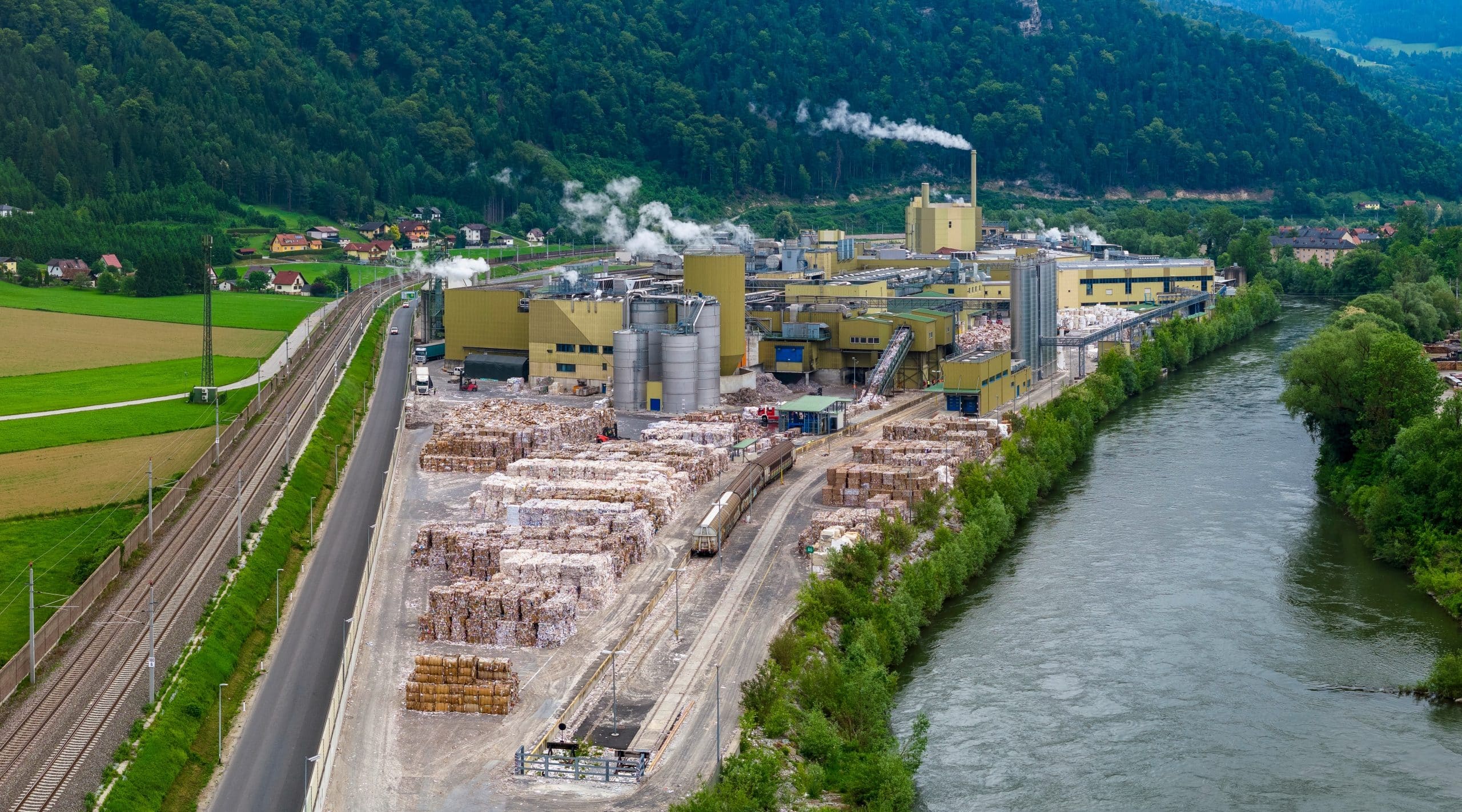
Every week, around ten truckloads of products refined from fibre sludge leave the MM Kotkamills mill site for Finnish fields. MM Kotkamills produces virgin fibre cartonboard for food packaging and saturating kraft paper for the construction industry, using wood chips and sawdust as raw materials. Its production side stream contains nitrogen, phosphorus and potassium – nutrients needed in agriculture.
MM Kotkamills and Soilfood have worked together for eleven years, making the partnership a practical example of circularity at the mill.
“I have always considered the Soilfood partnership a model example of the circular economy. One company’s waste can become another company’s raw material and business opportunity. This is an excellent example of what the circular economy can be at its best,” says Erkko Saarinen, Sustainability Manager of MM Kotkamills.
“A long-term partnership brings predictability and continuity to operations. It enables process development, quality improvement and raising the added value of side streams.
This benefits everyone in the value chain, from industry to agriculture and the environment,” says Eljas Jokinen, CEO of Soilfood Group.
From Production Side Stream to Soil Improvement
Fibre sludge is generated during wastewater treatment, when water from cartonboard and paper production is treated and solids are separated and recovered.
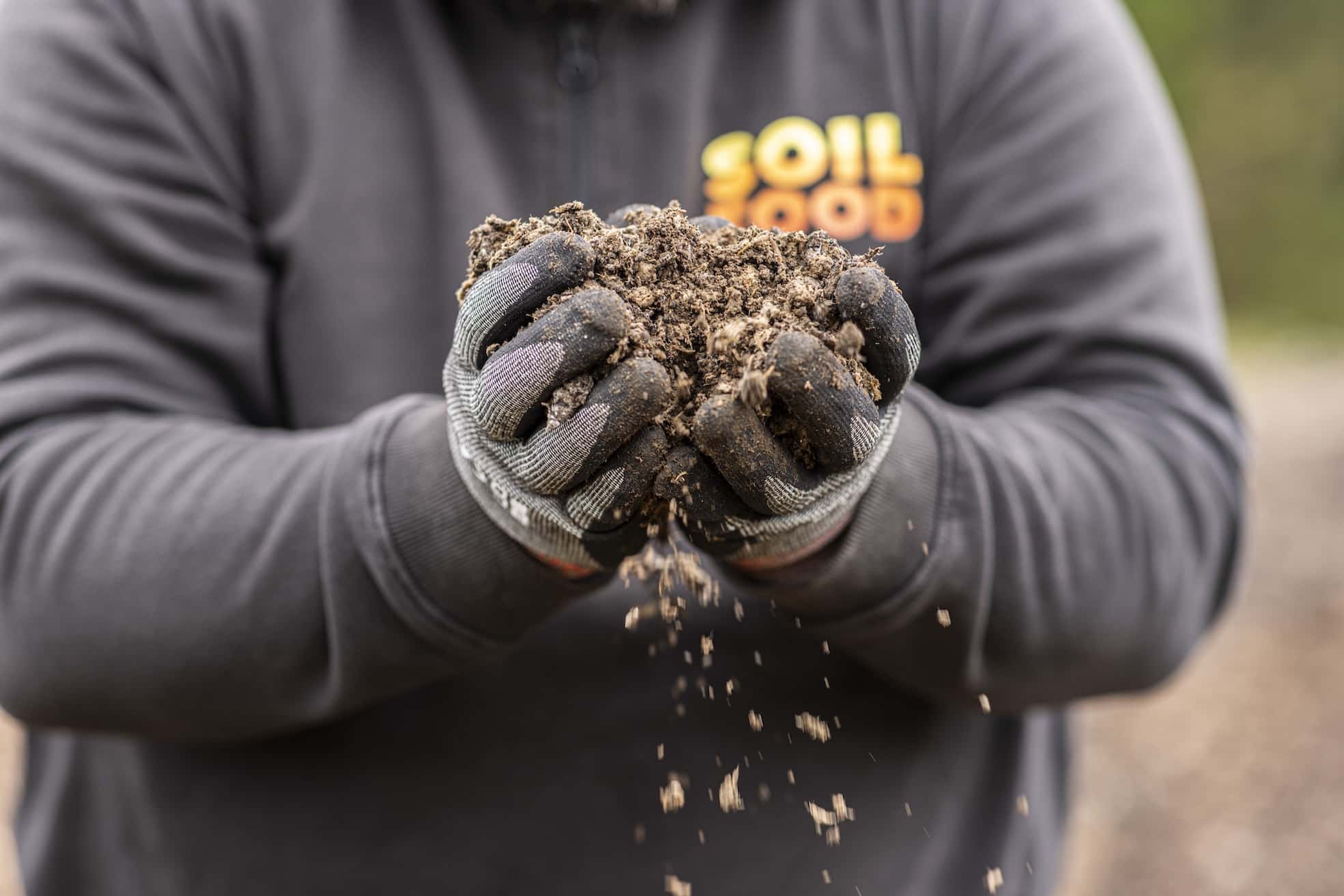
“In practice, it consists of fibres originating from our production processes that are recovered at our wastewater treatment plant. The sludge is dewatered and stored on the mill site before further processing,” Saarinen explains.
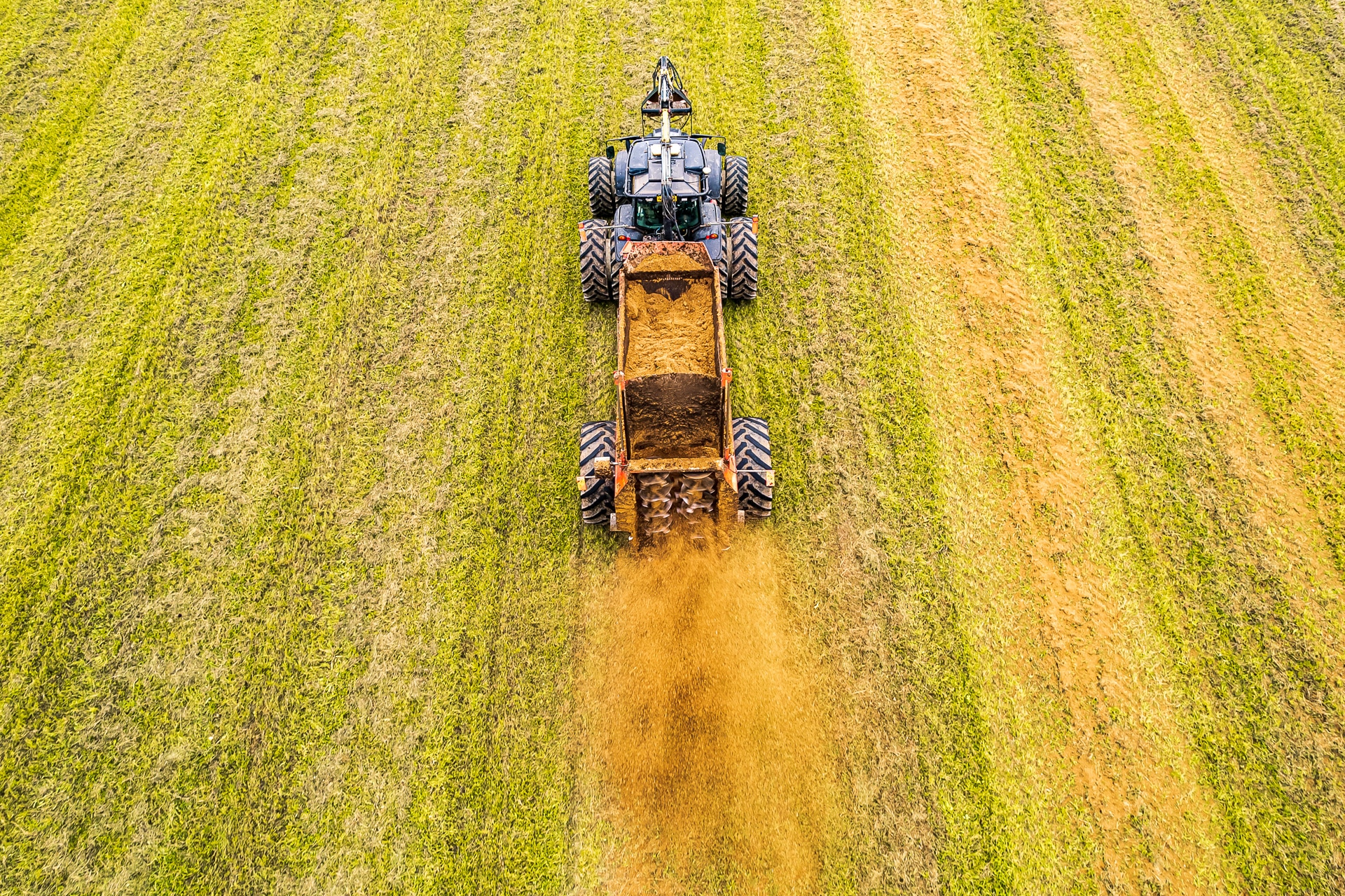
At MM Kotkamills, the sludge is dewatered, hygienised and stored on dedicated fields before being transported for agricultural use. In 2025, soil improvement fibres produced from the mill’s side streams were applied to 1,357 hectares of farmland.
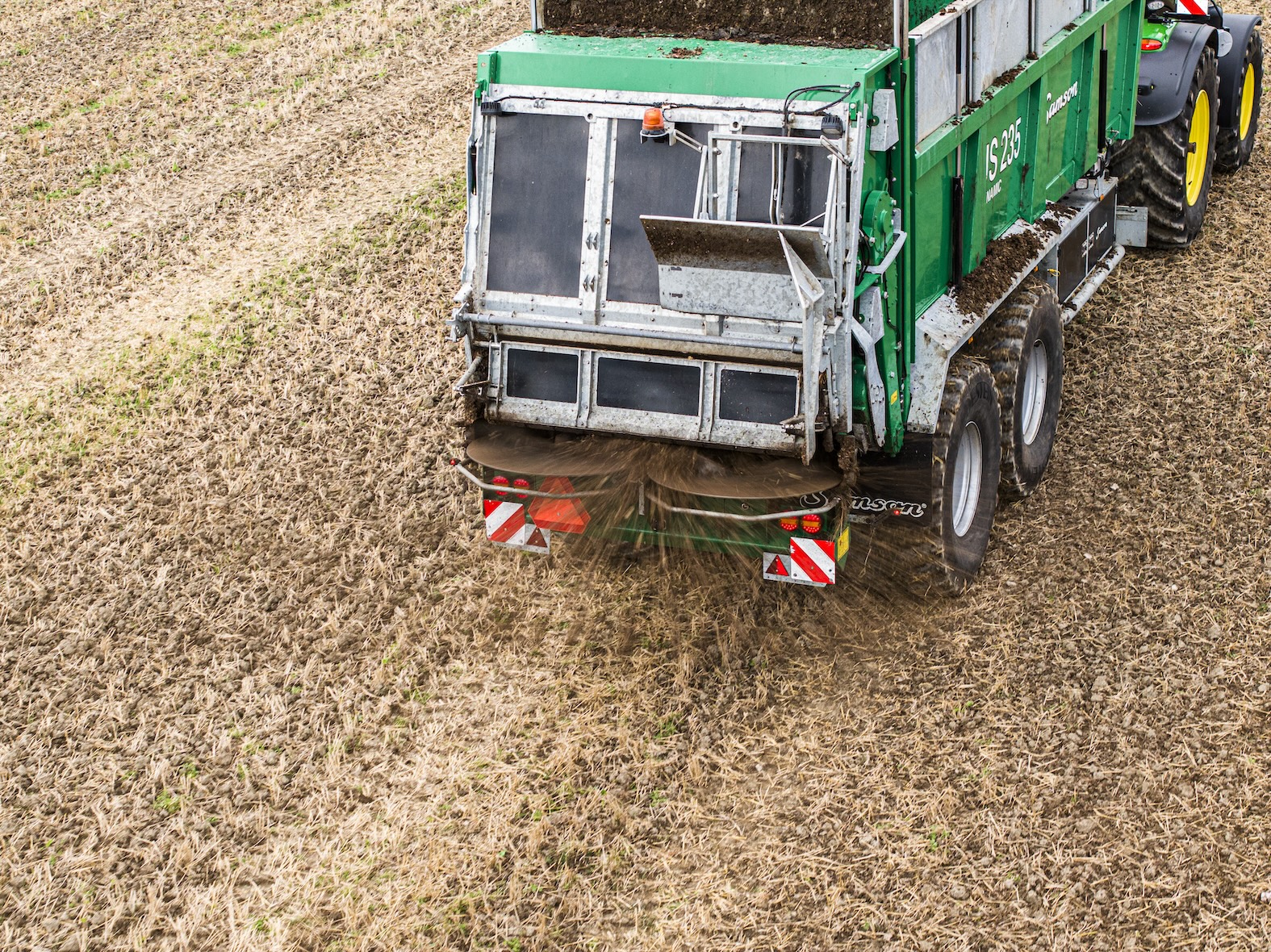
“One of the most important environmental benefits relates to soil health. Healthy soil retains water and nutrients more effectively, reducing nutrient leakages into waterways. This is also a significant benefit for the Baltic Sea” Saarinen says.
According to studies, soil improvement fibres and structural lime products can reduce nutrient runoff from fields by up to 50%.
Keeping Materials in Productive Use
Without this material recovery route, fibre sludge would most commonly be used for energy recovery through incineration.
“Incineration is, of course, a form of recovery, but according to the waste hierarchy it is far from the best option. When nutrients can be recycled back into productive use, the value of the material is preserved much more effectively,” Saarinen notes.
Developing the Partnership
The partners regularly assess how to increase the value and use of the mill’s side streams. Current development work focuses on increasing the sludge’s dry matter content, while potential agricultural uses for lime side streams are also being explored.
“For Soilfood, drier sludge is the preferred option, so we continuously explore ways to optimize the dewatering process. This has also been investigated through various research projects and master’s theses,” Saarinen says.
Collaboration Across Mill Departments
The partnership brings together pulp and CTMP production, the wastewater treatment plant and the processing contractor. Close coordination helps ensure efficient handling and reliable material flows.
“Long-standing collaboration and effective teamwork ensure that materials can be moved without significant delays or disruptions.”
Sludge handling and transport can occasionally cause odours in nearby areas. Saarinen emphasises that the process forms part of a wider circular economy chain and that the odour is not harmful to people.
“The trucks that people sometimes notice around the city are part of a circular economy chain. While the smell may not be pleasant, it is, in a way, the scent of the circular economy. It means that valuable nutrients are returned to the food production cycle instead of being lost as waste.
The odour caused by the sludge is not harmful to people,” Saarinen says.
Circular Economy in Practice
In 2025, MM Kotkamills’ side streams returned more than 144,000 kilograms of nitrogen and over 24,000 kilograms of phosphorus to food production. Significant amounts of potassium, sulphur, calcium and carbon were also recycled.
“What impresses me most is seeing in practice how a side stream generated in production is transformed into a valuable resource. It conserves natural resources, supports domestic food production and reduces environmental impact” Saarinen concludes.
FAQs
It is refined into fertilisers and soil improvement fibres for use on Finnish farmland.
The recycled material supports soil health, improves water and nutrient retention, and can reduce nutrient runoff.
The partnership has continued for eleven years, enabling reliable material flows and ongoing process development.