Applying the Waste Hierarchy in Fibre Packaging Mill Operations
Waste is an inherent part of industrial production. For fibre packaging mills, materials are used, processes and transformed on a daily basis, creating different types of production residues and side streams along the way.
Managing these materials effectively requires more than deciding how they should be treated once they become waste. It also involves considering where waste can be avoided, how materials can remain in use for longer and which management route is most suitable when further use is no longer possible.
The waste hierarchy provides a framework for making these decisions and supports a structured approach to material management across industrial operations.
What is the waste hierarchy?
The waste hierarchy is a framework that helps organisations determine how waste should be managed. It prioritises five options: prevention, preparing for reuse, recycling, other recovery and disposal.
Rather than viewing all waste in the same way, the hierarchy encourages organisations to consider a range of options before disposal is considered. The objective is to keep materials in productive use for as long as possible while taking technical, regulatory and operational requirements into account.
The framework is also reflected in the wider regulatory landscape. The EU Packaging and Packaging Waste Regulation (PPWR) introduces requirements relating to packaging design, recyclability, minimisation and reuse, highlighting the importance of efficient resource management across the packaging value chain.

Applying the waste hierarchy in mill operations
Applying the waste hierarchy in practice starts with understanding where waste occurs within the production process and how individual material streams are currently managed.
Once these material flows have been identified, opportunities can be evaluated according to the hierarchy’s five levels.
1. Prevention: reducing waste at source
Prevention is the highest priority within the hierarchy because it focuses on avoiding waste before it is generated.
For mill operations, this can involve reviewing material use, production parameters and process losses to identify opportunities for improvement. Monitoring material flows and refining production processes can support more efficient resource use while helping to minimise avoidable losses.
2. Preparing for reuse: extending the use of materials
When waste cannot be prevented, the next step is to assess whether materials can be prepared for further use. This may involve activities such as checking, cleaning, repairing or otherwise preparing materials so they can be used again.
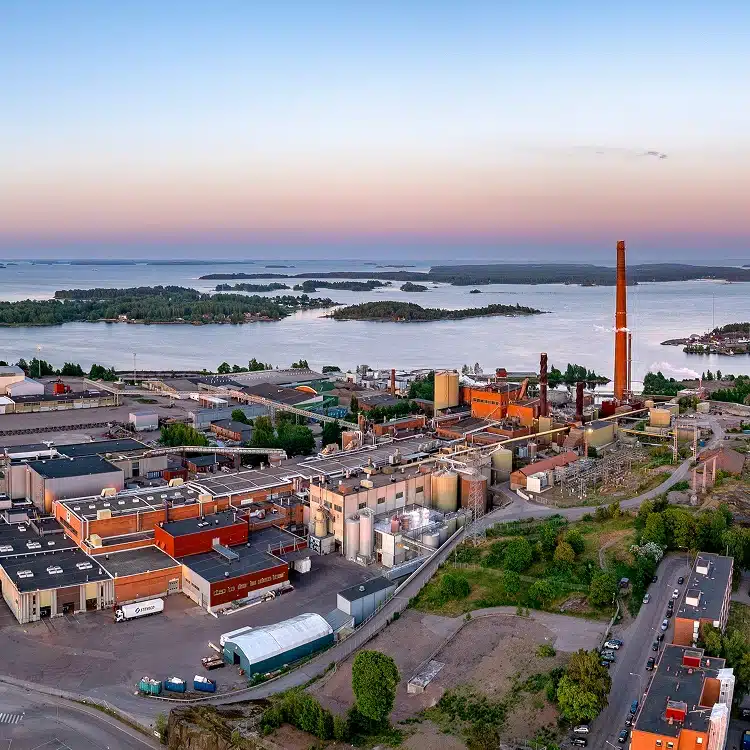
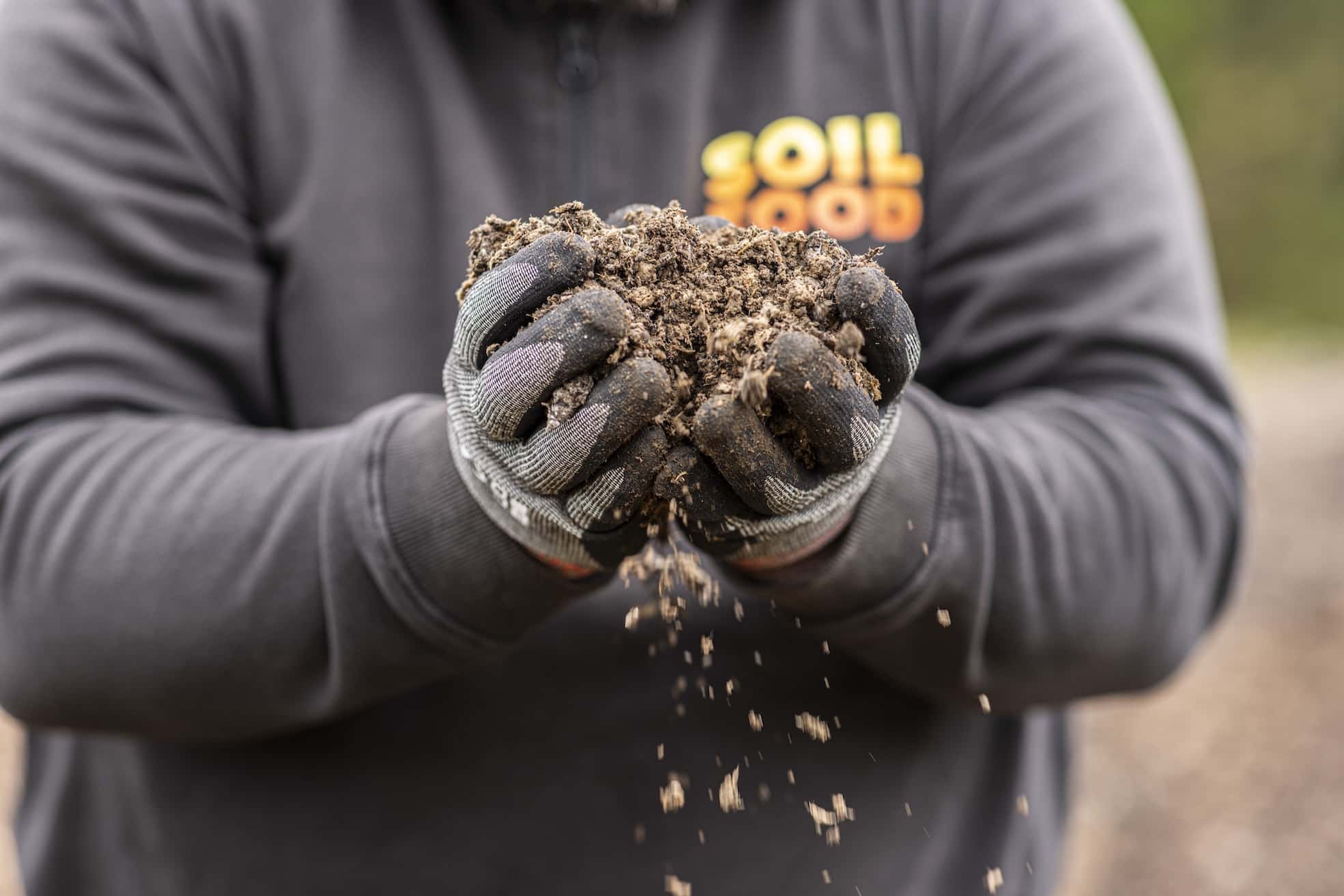
In industrial environments, the principle can also be applied to production side streams that may have value in other applications. At MM Kotkamills, fibre sludge recovered during wastewater treatment is processed into fertilisers and soil improvement fibres for agricultural use. This demonstrates how production side streams can be utilised in alternative applications where material properties and regulatory requirements allow.

3. Recycling: returning materials to production cycles
Where reuse is not feasible, suitable materials can be directed into recycling streams.
In fibre packaging operations, this may include recovered fibre and cartonboard residues that can be reprocessed where collection and recycling streams are available.
At MM Packaging, cartonboard offcuts from die-cutting may be directed to recycling streams where material specifications and processing requirements are met.
4. Other recovery: recovering value from remaining materials
If prevention, reuse and recycling are not feasible, other recovery options may be considered.
These can include processes where waste is used to generate energy or fulfil another beneficial purpose. The selected route depends on the characteristics of the material and the available treatment capabilities.
5. Disposal: the final option
Disposal represents the final stage of the hierarchy.
Before disposal is selected, organisations should evaluate whether options higher up the hierarchy can be applied to the material concerned. Disposal routes can include landfill or incineration without energy recovery.
Integrating the waste hierarchy into daily operations
Applying the waste hierarchy requires visibility across material flows and a clear understanding of how different waste streams are managed throughout the operations.
Waste segregation, suitable infrastructure and employee awareness all play an important role in supporting effective decision-making. Regular reviews can also help identify opportunities to reduce material losses and improve resource utilisation.
While the specific approach will differ between materials and production processes, the hierarchy provides a common framework for evaluating available options and supporting day-to-day waste management decisions.
Frequently asked questions on the waste hierarchy
Waste is a material or object that is discarded or intended to be discarded. Waste management covers activities such as prevention, collection, sorting, treatment, recovery and disposal. The waste hierarchy provides a framework for evaluating these options.
Waste management products are products, equipment or systems used to collect, sort, store, treat, recover or manage waste. In mill environments, the relevant equipment depends on the materials being handled and the operational processes involved.
Waste management education helps employees understand how different waste streams should be handled and why segregation and appropriate treatment routes matter. Clear guidance and training can support consistent practices across operations and contribute to effective waste management processes.