Closing the loop with cartonboard that performs

Sustainability in paper and board can no longer be measured by intent alone. Packaging materials must also perform reliably in real-world converting and packing environments. As regulatory requirements increase and expectations around circularity continue to rise, the key question is becoming more practical: how can environmental performance be improved without compromising operational efficiency?
This is where the industry discussion still too often falls short. Recyclability has rightly become a central focus, but it is only one part of a functioning circular system. The other is recycled content. Without bringing recovered fibre back into new packaging applications, circularity remains incomplete That is why the conversation can no longer stop at whether a material can be recycled. It must also address whether recycled material is being used in the first place.
This is exactly where white-lined chipboard (WLC) has a crucial role to play. Made from recovered fibres, WLC does more than fit into the loop – it helps close it. And it can deliver the same converting and packing performance many still primarily associate with virgin fibre board.
Why recycled content matters as much as recyclability
The direction set by PPWR is clear and the emphasis on recyclability is both necessary and long overdue. But a packaging system made entirely from recyclable materials based on virgin fibre is not, by definition, a circular one. A truly circular system depends on recovered fibre being returned to high value use again and again.
WLC makes here a meaningful difference. Produced from recovered fibre, it is a material that completes the loop instead of simply enabling it. Brand owners and converters who specify WLC are actively drawing recovered material back into high-value applications and keeping it there. That is what circularity should look like in practice.
Performance on converting and packing lines
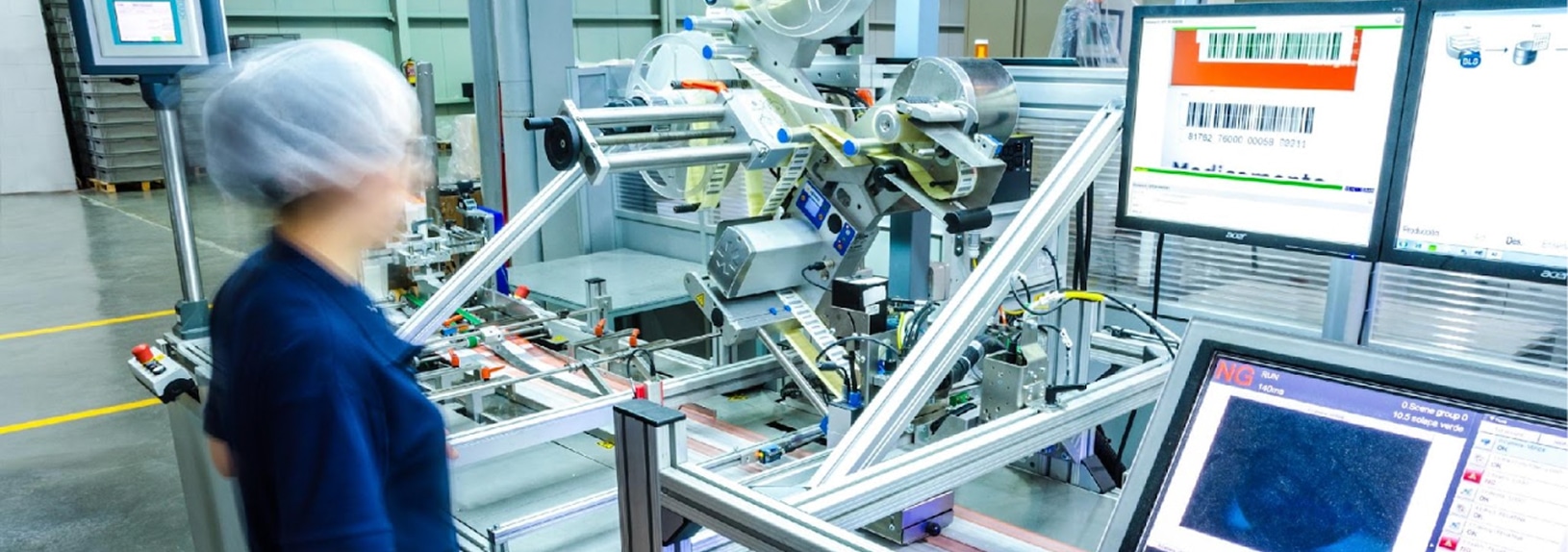
Our work at MM Board & Paper includes a strong focus on material science and converting performance. Results from customer applications continue to show that WLC can perform reliably on modern high-speed converting and packaging lines. A leading personal care brand, for example, have packed soap in MCM® folding boxes at ten pieces per second, and other customers have found that MCM® delivers equivalent line performance to virgin fibre board. These examples matter because they show that the deciding factor is not fibre origin. What matters is the right combination of board grade, application design, suitable tooling and line setup.
This is an important shift in perspective. Recycled cartonboard should no longer be viewed as a secondary option or a compromise material. It should be evaluated as a technically capable packaging solution in its own right – one that combines proven operational performance with the added value of recycled content.
At MM Board & Paper, ongoing development across the WLC portfolio is focused on further strengthening both material performance and sustainability characteristics. This includes continuous improvements to cartonboard grades as well as to the mill capabilities behind them. The objective is clear: to ensure recycled cartonboard meets the requirements of today’s packaging lines and remains ready for tomorrow’s expectations.
Making informed material decisions
For converters, the practical question is straightforward: does the board run reliably on the line and support efficient production? For brand owners, the question is broader: can the material support sustainability goals without compromising pack appearance, functionality or consumer experience? In both cases, informed decisions depend on a realistic understanding of what the material can deliver.
That is why technical collaboration remains essential. The aim is to support informed decisions based on application needs, converting requirements and the role of material choice within a broader fibre system. MM Board & Paper’s Technical Service teams work closely with converters to assess runnability, optimise settings and support implementation for individual packaging applications. This helps ensure that material choices are based on performance in practice, not on outdated assumptions about recycled fibre.
Fibres are too valuable to use only once. The infrastructure to collect and reuse them already exists. The cartonboard solutions that put it back to work in high-value applications are already available. And they can deliver the performance required by modern converting and packing operations.
For companies reviewing their fibre strategy, recycled cartonboard should no longer be seen as a secondary option. It should be evaluated for what it is: a technically capable packaging material that combines operational performance with real circular value.