Fibres are too good to use just once
Why recycled fibre deserves a stronger role in sustainable packaging strategies
Pressure on natural resources is changing packaging decisions. As demand for renewable raw materials grows across packaging, energy and construction, recovered fibre is becoming more than a recycling outcome. It is a valuable raw material that should remain in circulation for as long as possible.
Recyclability is only the starting point
Fibre-based packaging already benefits from one of Europe’s strongest recycling infrastructures, but recyclability is only the starting point. Circularity depends on recovered fibre being collected, processed and used again in new products at scale. This matters as the Packaging and Packaging Waste Regulation, evolving Extended Producer Responsibility fee structures and competition for forest resources place material choices under greater scrutiny.
“Packaging supports circular material flows when recovered fibre is collected, processed and used again in new products. If demand for recycled content weakens, the value of the recovery system weakens with it,” says Katja Tuomola, Head of Group Sustainability & Marketing Communications at MM Group.
Why recovered fibre should stay in circulation
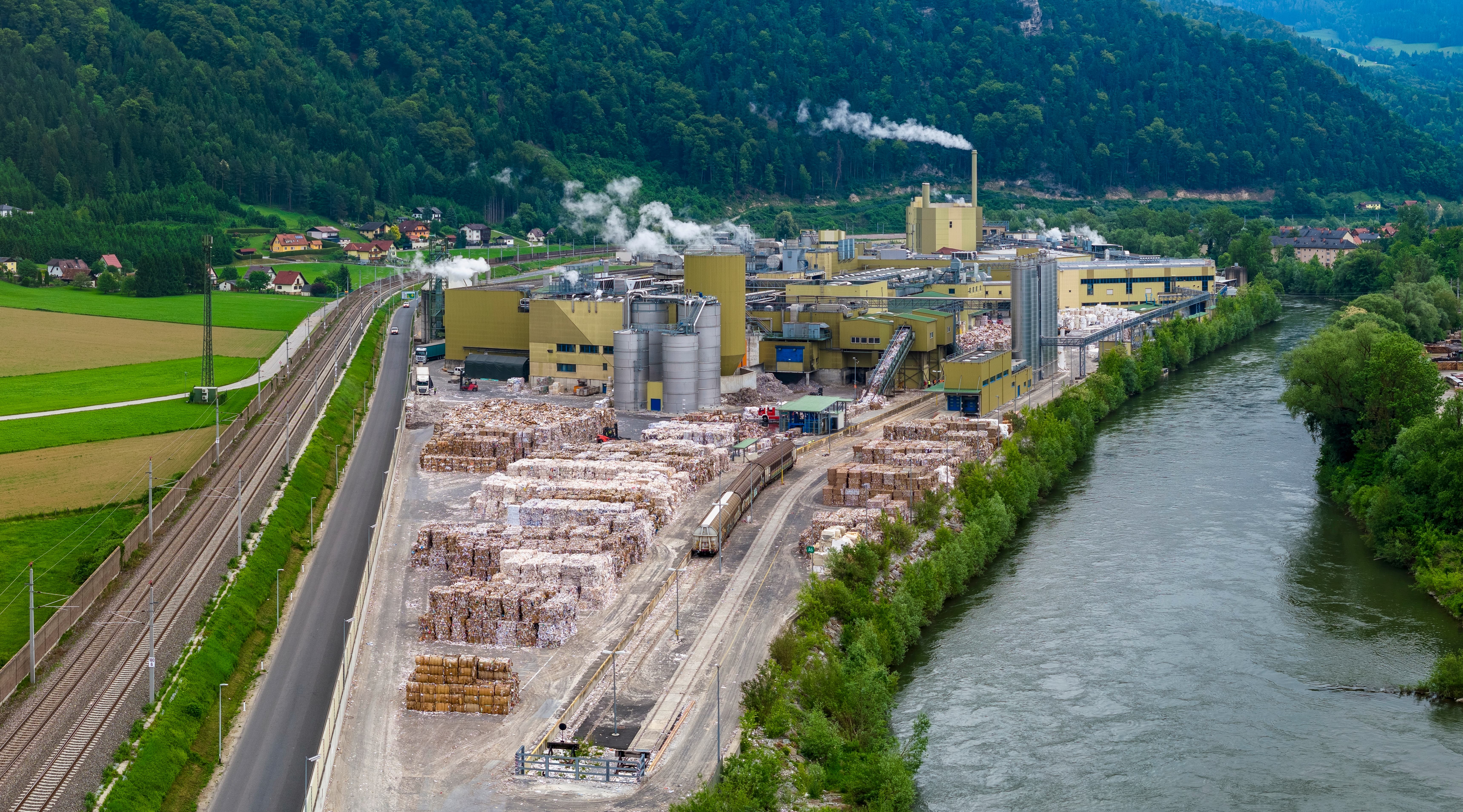
Research conducted with Graz University of Technology has shown that paper fibre can be recycled more than 25 times without significant degradation. Keeping fibre in use helps reduce pressure on primary resources and supports the collection and recycling systems that depend on stable demand for recycled content.
The discussion is not about choosing virgin or recycled fibre in every case. Both have a role. Virgin fibre remains important where specific technical requirements demand it, while modern recycled cartonboard can offer strong performance, reliable processability and resource-efficiency advantages.
Research commissioned by the German Federal Environment Agency found that recycled paper production can save 78% water, 68% energy and 15% carbon emissions compared with the usual market mix of virgin papers. Consumer research also strengthens the case: the Perspectus Global study Recycled Cartonboard in European Markets, 2025 found that 80% of consumers believe a brand using recycled cartonboard appears more responsible, while 69% prefer it when offered the same packaging.
The right fibre for the right application
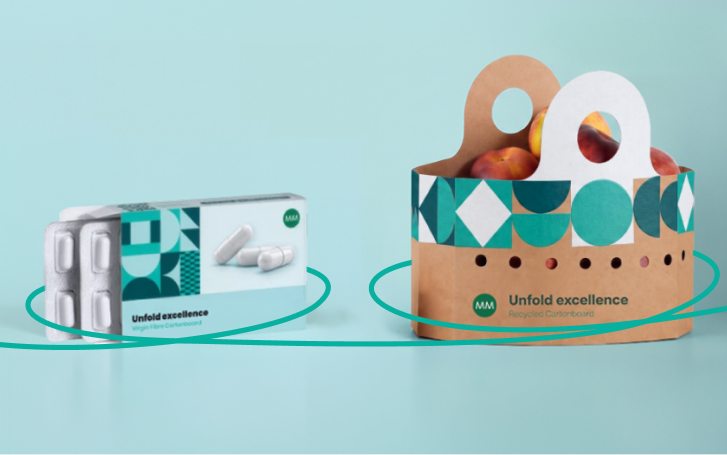
The strongest packaging strategies consider product protection, performance, regulation, total material cost, consumer expectations and environmental impact together. MM Board & Paper helps customers identify the right fibre for the right application, combining recycled- and virgin-fibre expertise to support performance and circularity at scale.
Frequently asked questions
Recycled fibre packaging is made partly or predominantly from recovered board and paper that has been collected, processed and returned to production. Using recovered fibre helps keep an existing raw material in circulation.
Research conducted with Graz University of Technology found that paper fibre can be recycled more than 25 times without significant degradation under the study conditions.
A packaging being recyclable does not automatically make it circular. Circularity depends on recovered material being used again. Specifying recycled content creates demand for collected fibre and helps sustain the wider recycling system.
Modern recycled cartonboard can provide strong performance, reliable processability and consistent print results across many applications. Material selection should always reflect the product, protection requirements, converting process and regulatory context.
No single fibre type is right for every application. Virgin fibre remains important where particular strength, purity or technical properties are required. The objective should be to use the right fibre for the right application.
Research commissioned by the German Federal Environment Agency found that recycled paper production can use less water and energy and generate lower carbon emissions than the usual market mix of virgin papers. Results vary by product, energy mix and assessment scope.