Packaging has a sustainability story to tell. So how do you tell it effectively?

Sixty-six percent of consumers say packaging sustainability affects their purchasing decisions. Thirty-eight percent have stopped buying a product because of packaging concerns. According to a 2025 Perspectus Global study1 across five European markets, that makes packaging not just a sustainability issue, but a commercial one.
Many brands talk about sustainable packaging. Fewer can prove that their material choice supports the claim.
The gap between claim and substance
To tackle the global problem of greenwashing legislation is tightening what brands can say about their sustainability efforts. Vague statements such as “eco-friendly” or “sustainable packaging” are facing regulatory challenges, and consumer scepticism of them is high. For brand owners, this creates a very straightforward test: does your packaging material actually support the claim you are making?
WLC, white lined chipboard, is made from recovered fibres. It has a documented sustainability profile and high traceability. It’s made from fibres sourced from recovered paper, with recycled content that can be verified and reported. It’s a material recycled at scale across Europe, with an 87% recycling rate in 2023, the highest of any packaging material. The strongest claims are the ones the material can prove for itself.
In the same Perspectus study, 80% of consumers said a brand using recycled cartonboard appears more responsible than one using virgin fibre. That perception shapes brand equity as much as it supports compliance.
Where regulation and marketing connect
PPWR and EPR fee structures are changing how material choice gets made. That pressure is real, but regulatory compliance and consumer communication are not separate workstreams. The brands managing this well are the ones that have recognised they are, in many cases, the same conversation.
Showing what supply chain accountability looks like, MM Group holds a CDP Triple A score, one of only 10 companies worldwide to achieve that rating across climate, forests and water security. MM also has Platinum medal from EcoVadis assessment, this being awarded only to the top 1% of companies worldwide. The same data behind these ratings supports our customer conversations: verified carbon footprints, lifecycle assessments and mill-level production data. For brands, that means packaging claims backed by evidence, not assumptions.
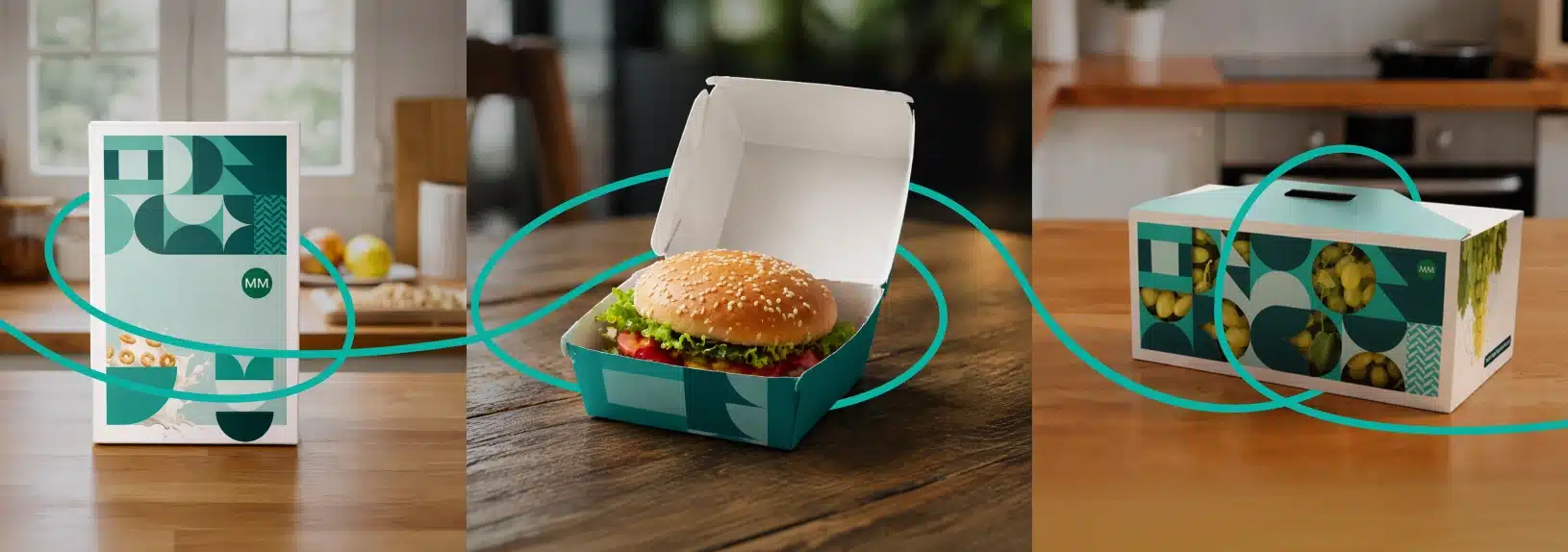
Our WLC families — MCM®, MCB®, TOPCOLOR® and FOODBOARD® — serve applications across food, beverage, cosmetics and consumer goods. Across all of them, sustainability credentials are documented, verifiable and ready for audit.
The starting point
The brands that will benefit most from this changing environment are the ones treating packaging material as a marketing asset. That starts by bringing sustainability and marketing into the material decision early, and by choosing materials with credentials specific enough to communicate with confidence.
Vague claims are becoming a liability. Verified claims are becoming a competitive advantage. The difference starts with material choice.
If you’d like to understand how MM Board & Paper’s WLC portfolio can support your packaging claims, our team is ready to help. Get in touch at WLC@mm.group.