Locating Nature: How MM Group Maps Its Interface with Biodiversity
Biodiversity is a vital part of the natural systems on which industries like fibre-based packaging depend. For MM Group, this means understanding how its operations and supply chains interact with ecosystems such as forests, which is essential for reducing environmental impacts and promoting responsible resource use.
To manage this interconnection, MM follows the Taskforce on Nature-related Financial Disclosures (TNFD) framework and more precisely the LEAP approach described therein which stands for Locate, Evaluate, Assess and Prepare. This four-step process guides companies in identifying and disclosing their interrelations with nature.
This first article in our four-part series explores the initial step – “Locate” – which focuses on identifying where MM interacts with the natural environment.
Understanding the “Locate” Phase of the TNFD LEAP Approach
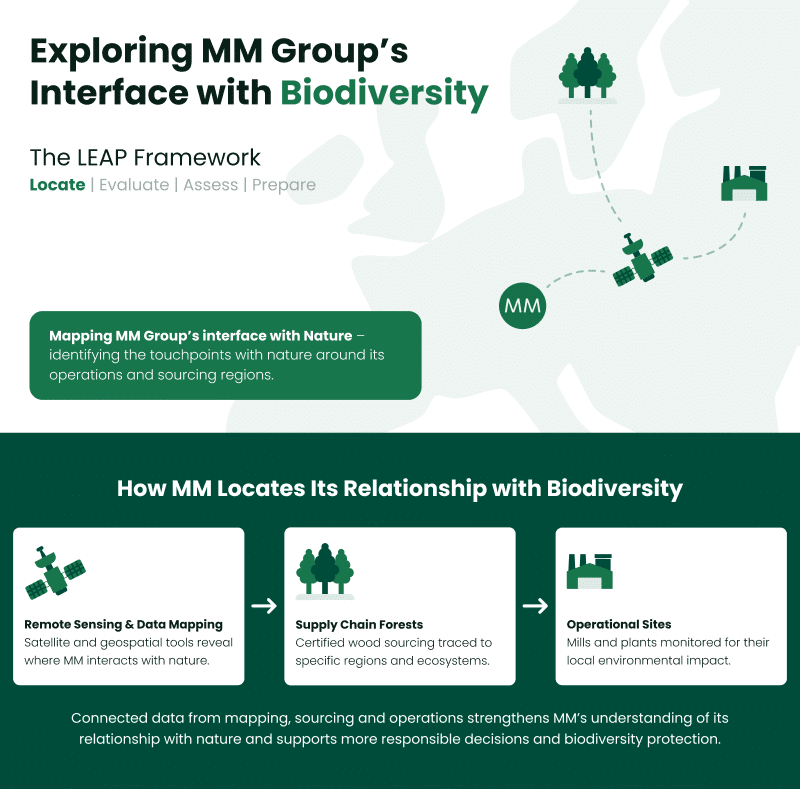
The “Locate” step of the TNFD LEAP approach is about finding touchpoints or interfaces where a company’s activities depend on or affect nature. For MM Group, this means understanding two fundamental interfaces:
- The forests and ecosystems from which wood is sourced
- The physical locations of MM’s mills and plants, and their surrounding environments.
By mapping these areas, MM creates the foundation for the subsequent LEAP stages, which evaluate dependencies, assess risks and prepare strategies to manage them.
“We need to make biodiversity tangible,” emphasised Jakob Martin, Biodiversity Specialist at MM Group. “Only then can we manage the risks and identify opportunities.”
Locating MM’s Interface with Nature and Biodiversity
Mapping the Wood Supply Chain
MM Group purchases wood from suppliers operating under third-party certification schemes, ensuring that all wood comes from responsibly managed sources.
However, the “Locate” phase goes further than verifying certified supply. MM aims to understand precisely where its raw materials originate and what ecosystems are involved. To achieve this, MM is advancing its use of data-driven technologies, including remote-sensing and satellite-based information systems, which help to visualise and analyse the provenance of raw materials.
These data provide valuable insights: forest cover, land-use patterns, water availability and even early warnings of ecosystem stress. By combining supplier information with geospatial mapping, MM can better understand the environmental conditions of its sourcing regions.

This approach allows the company to consider important questions such as:
- Are sourcing areas located near biodiversity hotspots or protected landscapes?
- What is the state and health of the ecosystem?
- Do these environments allow animals to migrate freely?
Through this process, MM turns biodiversity into something concrete – something that can be observed, measured and ultimately managed.
Mapping MM’s Own Operations
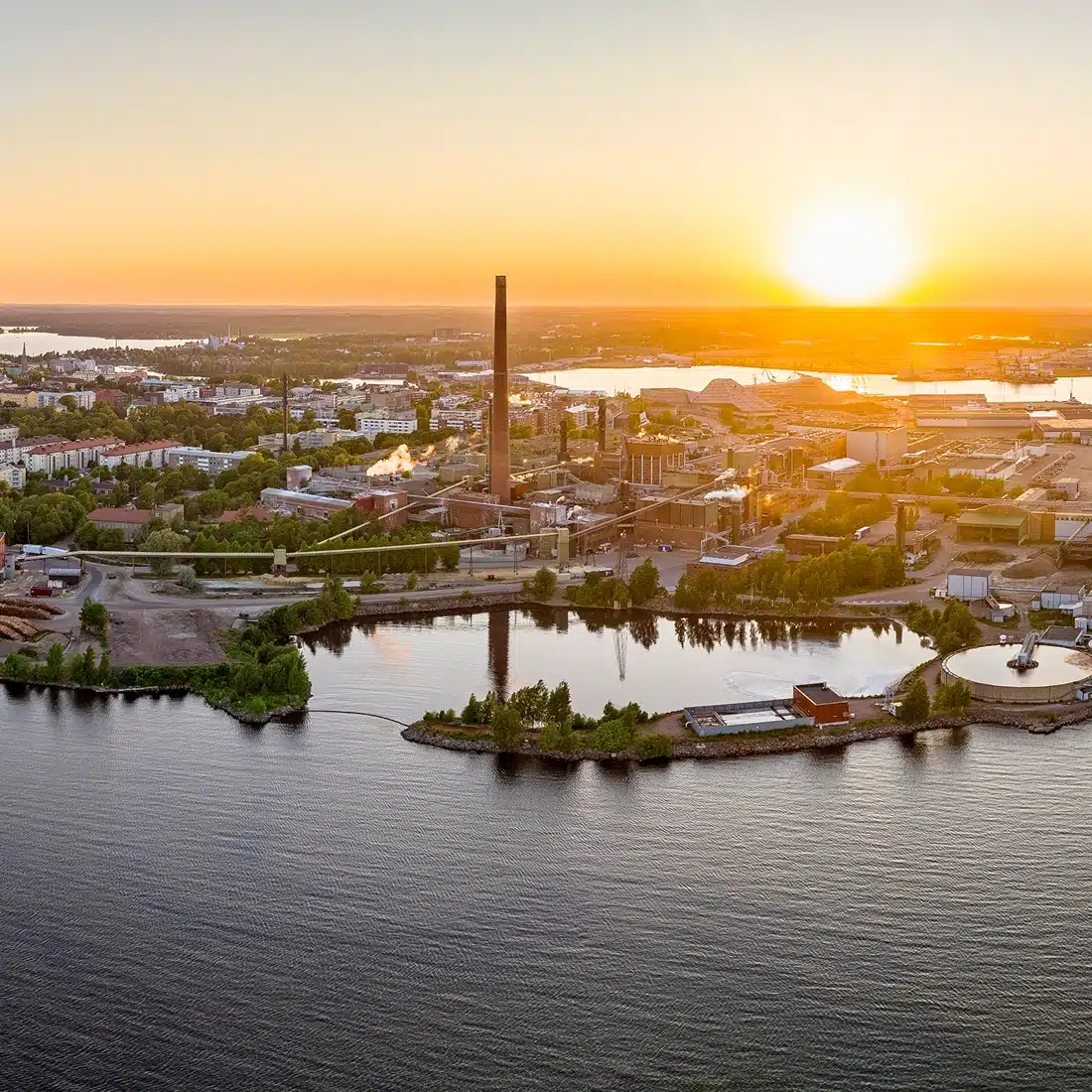
The second aspect of “Locate” focuses on MM’s production facilities – including MM Board & Paper mills and MM Packaging plants – and how they interact with surrounding ecosystems.
Each site is assessed according to environmental characteristics such as water resources, soil quality and proximity to protected or sensitive areas. For instance, a mill situated near a river is examined for its relationship with freshwater systems, while another located close to a forest may be reviewed for its influence on animal habitats or vegetation diversity
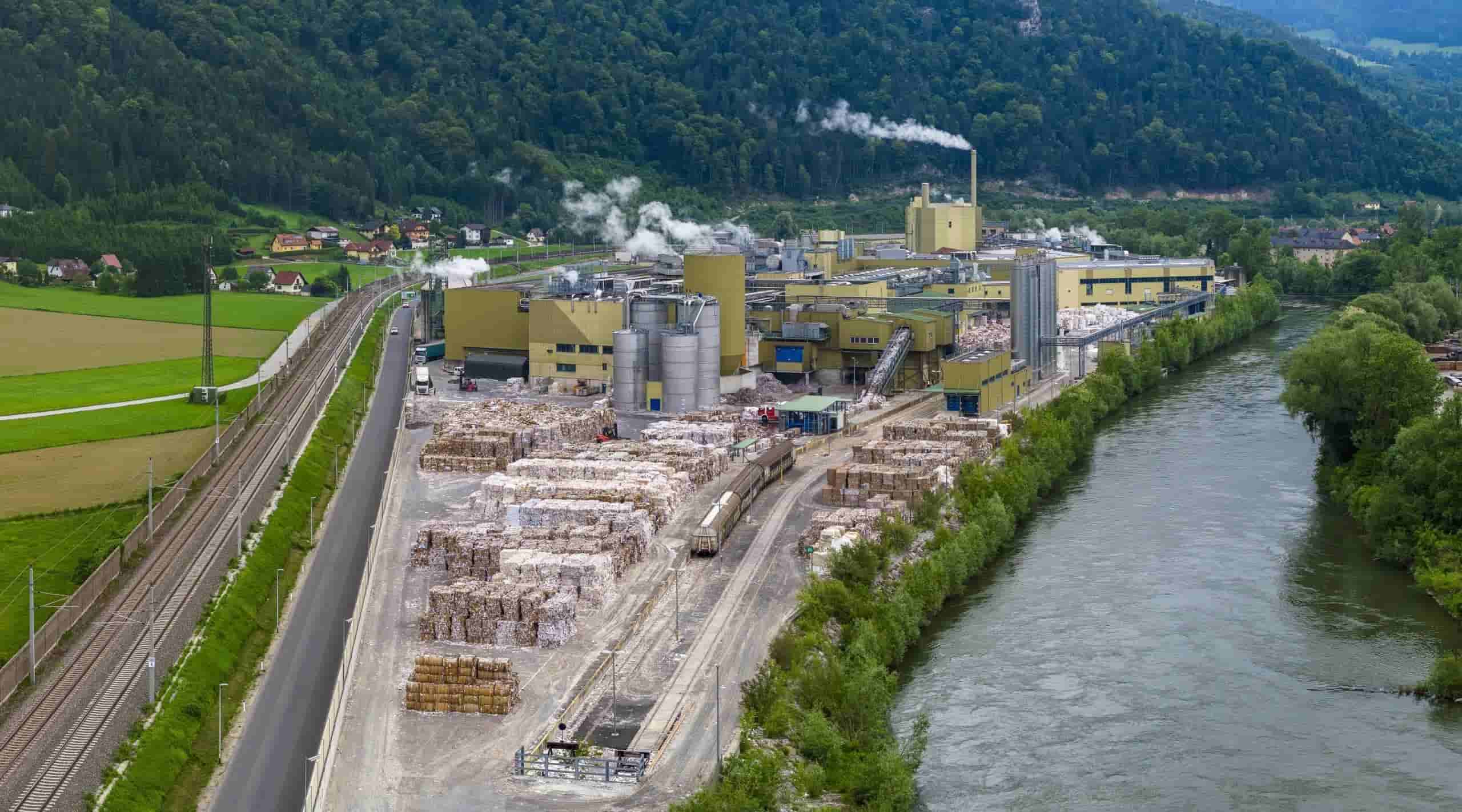
These data points enable MM to determine whether any facilities lie within or adjacent to ecologically significant zones. This mapping not only identifies potential risk areas but also helps to highlight regions where positive contributions – such as habitat preservation or water-quality improvements – can be made.
Making Data Work in Biodiversity Management
One of the most significant challenges in biodiversity management is the lack of standardised data. Unlike carbon emissions, which are expressed in tonnes of CO₂ equivalent (CO2e), biodiversity has no single metric. Measuring it requires combining many indicators – from species counts to soil fertility and land-cover change – on many different levels.
MM Group is using state of the art scientific methods to measure biodiversity. By exploring partnerships with technology innovators and using satellite-derived data, the company contributes to improving transparency across its value chain. These digital tools enable MM to visualise the natural environment around its sourcing and operational sites, adding an additional layer of understanding to traditional certification systems.
This work aligns with one of MM’s Sustainability Targets, defined in its annual report: to reduce its impact on biodiversity and ensure responsible resource use throughout the value chain.
Why Locating Interfaces with Nature Is Important in Biodiversity Assessment
Understanding where the business interacts with nature is essential for effective decision-making. The “Locate” phase enables MM Group to focus its attention on the areas that matter most.
If, for example, a sourcing region overlaps with an ecologically sensitive forest, MM can work with its suppliers to mitigate impacts on biodiversity. If a mill is located in a region facing water scarcity, local measures can be implemented to conserve or recycle water.
This proactive approach also strengthens MM’s preparedness for future regulations such as the European Union Deforestation Regulation (EUDR). Yet MM’s commitment extends beyond compliance. As a listed early adopter of the TNFD, MM demonstrates leadership by integrating nature considerations into its business strategy before they become mandatory.
Making Biodiversity Tangible
Through the ongoing efforts put into the assessment of biodiversity, MM lays important foundations for the visibility of the topic within the business landscape. Complex ecological data is transformed into practical knowledge that can guide responsible operations and sourcing decisions.
By combining certified procurement, digital mapping and environmental assessments, MM Group is developing a comprehensive understanding of its relationship with nature. This insight supports strategic decisions across the organisation – from supply-chain management to site planning.
MM’s recognised Leadership Rating from CDP for Climate, Forests and Water Security further underlines its dedication to transparency and continuous improvement.
The “Locate” step was only the beginning. In the following LEAP phases – Evaluate, Assess and Prepare – MM Group has deepened its understanding of how its activities depend on nature, quantified potential risks and opportunities, and developed targeted actions to safeguard biodiversity.
Frequently Asked Questions on MM’s Biodiversity Approach
For MM, biodiversity refers to the variety of species, habitats and ecosystems that interact with the company’s wood supply chain and production sites. This includes forests where raw materials are sourced, freshwater systems near mills and soil and vegetation around operational facilities. Understanding biodiversity allows MM to identify and mitigate environmental risks in these specific areas.
Understanding where and how a company interacts with nature is essential for responsible decision-making and long-term resource management. For MM, mapping its operations and supply chain against ecosystems allows the company to identify risks, safeguard biodiversity and take proactive measures to protect forests, freshwater systems and soil health. This approach helps ensure the sustainability and resilience of both the natural environment and MM’s business activities.
The TNFD (Taskforce on Nature-related Financial Disclosures) LEAP framework guides companies to manage nature-related impacts and dependencies. MM applies the “Locate” phase to map its operational and supply-chain interfaces with ecosystems. This mapping identifies sourcing regions, mill locations and ecologically sensitive zones, forming the basis for later stages that quantify risks, assess biodiversity footprint and develop site-specific management actions.