Navigating Customer Expectations With Low Carbon Packaging
Consumers, regulators and investors are raising the bar, demanding transparency regarding the greenhouse gas footprint of everyday goods. Brands are under growing pressure to cut emissions, meet circularity targets and stay ahead of regulation without adding complexity. In response, the shift towards packaging that minimises environmental impact has become a defining business imperative. Using recycled fibres, renewable energy and smarter use of materials, consumer packaging can lower its footprint and stay fully recyclable without compromise. This article explores how data-driven strategies and fibre-based materials are enabling brands to meet these expectations, proving that by combining CO₂ reduction with circular design, companies can move faster toward their sustainability goals while keeping performance and compliance on track. Serving as a complement to an article on circular packaging, this guide focuses on mastering the low-carbon aspect of your packaging portfolio.
Decoding Low Carbon Packaging Within Broader Packaging Industry Trends
The push for decarbonisation is fundamentally reshaping packaging industry trends. To understand this shift, one must look at how circularity and emission reductions are intrinsically intertwined. MM Group’s sustainability strategy is built on two mutually reinforcing pillars: a circular economy based on fibre-based packaging systems and decarbonisation across the value chain, with a focus on Scope 3. For brands, aligning with current consumer packaging trends means actively demonstrating reductions in these indirect emissions. At the same time, Scope 3 emissions are recognised as material and largely driven by purchased raw materials, energy-related activities and waste.
The Role of Life Cycle Assessments
To quantify the performance of products, MM conducts internal life cycle assessments (LCAs). The product carbon footprints include the greenhouse gas emissions generated during a product’s life cycle. By leveraging these insights, businesses can confidently communicate the environmental impact of their low carbon products. Conducting a packaging portfolio audit is an essential first strategic move to map these emissions and prepare for regulatory shifts. Furthermore, recycled fibre use reduces virgin material demand (circularity) and upstream emissions (Scope 3).
Low Carbon Packaging Driving Food Packaging Trends
In the Food and Beverage sector, low carbon packaging is increasingly shaped by material efficiency, lightweighting and fibre-based formats that reduce unnecessary complexity. Brands are expected to show measurable emission reductions through verified data and LCA, rather than broad sustainability claims. This reflects wider food packaging trends, where climate impact is now considered alongside food safety, shelf life and logistics.
In practice, trends in food and beverage packaging are moving towards lower grammage cartonboard, simpler pack structures and the replacement of difficult-to-recycle multi-material formats. These packaging design trends support operational efficiency too, helping reduce material use and transport emissions.
MM supports this shift with product-level LCA aligned with ISO 14040 and the GHG Protocol, enabling customers to compare packaging options with transparent carbon data. This is why packaging sustainability trends increasingly favour evidence-backed communication over general claims.
How Low Carbon Packaging Shapes Beauty Packaging Trends
In Beauty and Personal Care, low carbon packaging has to balance climate performance with premium presentation. As a result, beauty packaging trends and fragrance packaging trends are focusing on simpler structures, lighter materials and reduced secondary packaging without compromising shelf appeal.
This is especially visible in skincare, where skincare packaging design trends favour fewer components, lighter cartons and fibre-based solutions. At the same time, consumer packaging trends show rising demand for verified sustainability information, particularly among younger consumers.
MM supports this through responsible fibre sourcing, product-level carbon footprint methodology and LCA data. These developments reflect broader packaging industry trends, where traceability, material efficiency and verified carbon data are becoming increasingly important.
The Strategic Value of Low Carbon Packaging Within Sustainable Packaging Trends
Across all sectors, tracking sustainable packaging trends shows that verifiable data is replacing vague eco-claims. Examining overarching packaging sustainability trends highlights the critical role of third-party validation and ambitious corporate commitments. As overarching packaging trends evolve, letting independent endorsements speak for your supply chain partners becomes vital.
Backed by Data and Endorsements
MM Group has been recognised for its outstanding environmental stewardship. MM’s sustainability performance is externally recognised by CDP with Leadership ratings in the categories climate (A), forests (A) and water (A) based on 2024 data. Furthermore, MM was awarded the gold medal with a score of 77/100 by EcoVadis.
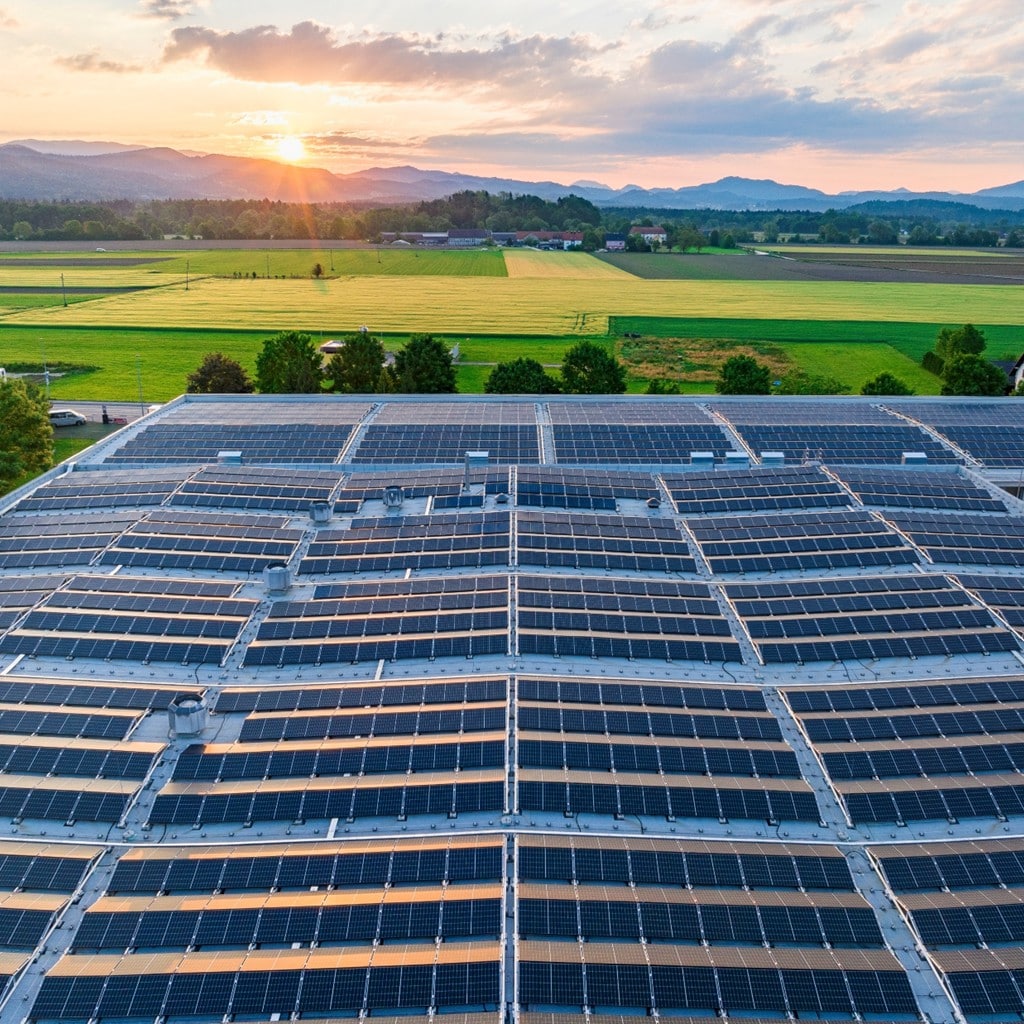
Meeting the demand for decarbonised packaging requires setting robust, science-based objectives. The MM Group’s decarbonisation strategy is in line with the 1.5°C pathway of the Paris Agreement. The targets have been approved by the Science Based Targets initiative (SBTi), which means that Scope 1 and 2 emissions must be reduced by 50.4% and Scope 3 emissions by 58% per value creation by 2031, based on a 2019 baseline. To ensure compatibility with the transition to a sustainable economy and the goal of limiting global warming to 1.5°C, the following key decarbonisation levers and measures have been identified following adjustments to the company’s business model: transitioning to renewable or low-carbon electricity across all production sites, increasing the share of renewable energy in Board & Paper mills and sourcing raw materials with a reduced carbon footprint.
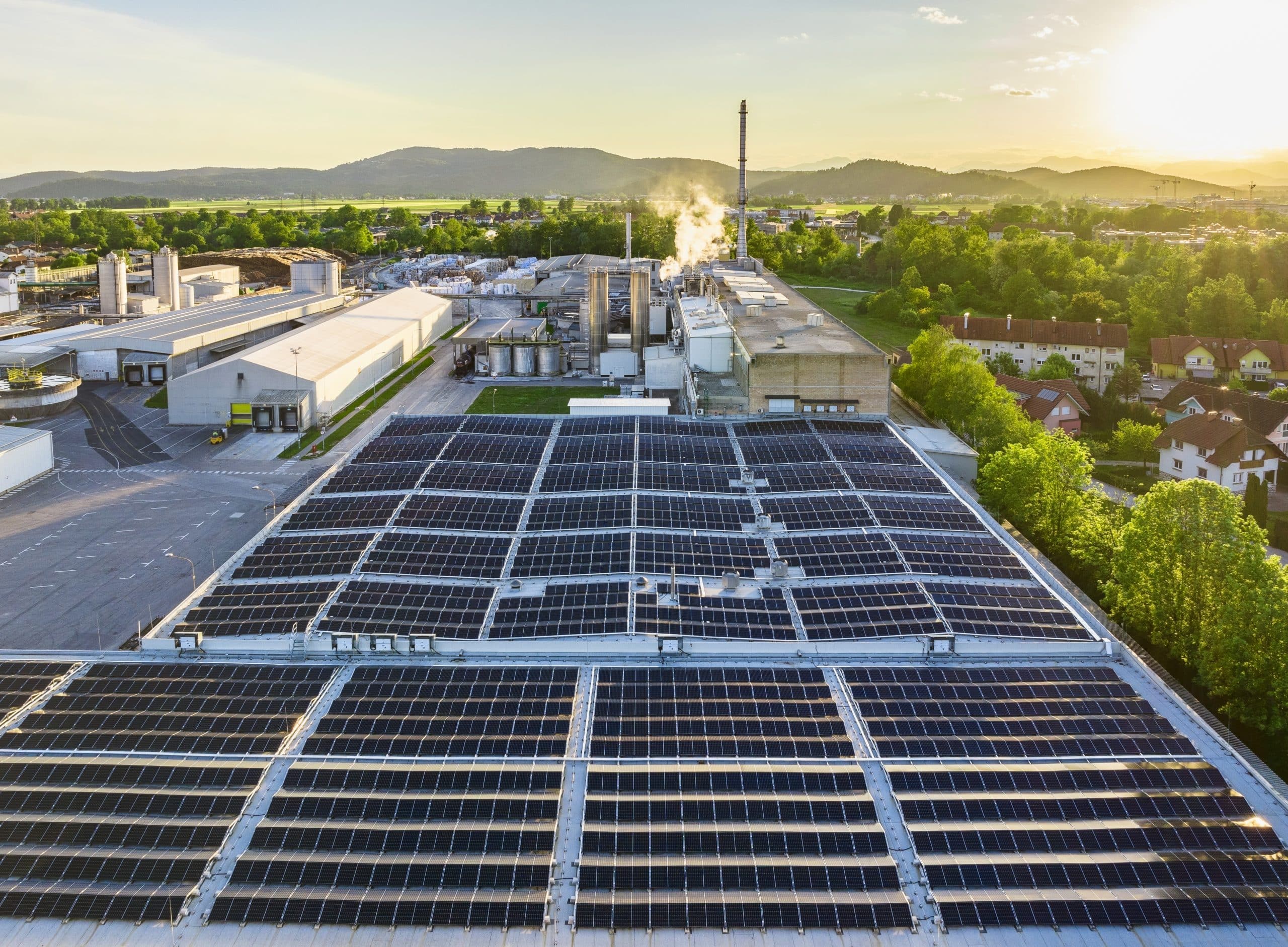
To achieve these goals, redefining energy use in packaging and implementing transparent decarbonisation transition plans are paramount. And for all stakeholders, it means having a reliable partner who helps turn sustainability into something practical, measurable and achievable.