Designing Fibre-Based Packaging for Recycling
Fibre-based packaging can support more circular material flows, but material choice alone does not determine how a pack performs at end of life. Its overall design, including coatings, barriers, adhesives, labels and other components, can influence how it is collected, sorted and processed.
For packaging developers, the challenge is therefore to combine product protection, technical performance and visual appeal with design choices that support recycling. Considering these requirements from the beginning can help create packaging that meets its functional purpose while taking relevant recycling systems into account.
Why packaging design matters for recyclability
The EU Packaging and Packaging Waste Regulation (PPWR) brings recyclability further into focus. It establishes requirements for packaging throughout its life cycle, including design, composition, collection and recycling. From 2030, packaging will need to meet design-for-recycling criteria, while recycled-at-scale assessments will also apply from 2035 to relevant packaging categories.
For fibre-based packaging, this means looking beyond the main substrate. Additional components and the way they are combined can affect how the complete pack performs in recycling processes.
Understanding the PPWR requirements and the regulatory landscape can help businesses identify where packaging designs may need to be reviewed.
Four considerations for fibre-based packaging design
Effective design starts with understanding what the packaging needs to do and how the complete solution is expected to perform throughout its life cycle. Four considerations are particularly relevant.
1. Match materials to performance requirements
Packaging must provide appropriate strength, stiffness and protection during filling, transport, storage and use. Depending on the application, printability and barrier properties may also be important. Virgin and recycled fibres can serve different packaging requirements. MM Group produces virgin fibre cartonboard, recycled cartonboard and folding cartons made from both fibre types.
Material selection should therefore start with the product, the supply chain and the required technical performance, rather than assuming that one fibre type is suitable for every application.
2. Evaluate coatings, barriers and other components
A fibre substrate is only one part of a packaging structure. Coatings, laminates, adhesives, inks, labels and closures can affect its compatibility with recycling processes and should therefore be considered during development.
For example, barriers may be required to protect products from moisture or grease. Their composition and application should also be considered in relation to the intended paper or cartonboard recycling stream.

Additional components do not necessarily make packaging unsuitable for recycling. What matters is how the complete packaging structure performs against relevant technical criteria.
3. Keep the complete packaging structure in mind
Avoiding unnecessary complexity can make it easier to assess a pack against relevant recycling criteria. Where different materials are combined, designers should consider whether they can be separated and how the complete structure is handled within the intended recycling system.
Clear disposal instructions can also help consumers identify the appropriate collection route, particularly where packaging contains separable components made from different materials.
4. Consider real recycling conditions
Technical design assessments provide important information about a packaging format, but they do not demonstrate that a pack will actually be recycled in every market.
Collection systems, sorting capabilities and available recycling infrastructure vary. Packaging developers should therefore consider where a product will be sold and which systems are available there.
Where supported by appropriate product-specific evidence, claims should describe the demonstrated characteristic as precisely as possible rather than making broad, unqualified statements about recyclability.
From packaging design to PPWR readiness
The PPWR increases the need for businesses to understand the composition and performance of their packaging portfolio. A structured portfolio assessment can help identify packaging formats, components or markets that may require further evaluation. MM explores this approach in its guide to packaging portfolio assessment as a first step towards PPWR readiness.
Collaboration between packaging designers, material specialists, converters, brand owners and recycling partners is important because each contributes a different perspective, from product protection and production requirements to collection and processing conditions.
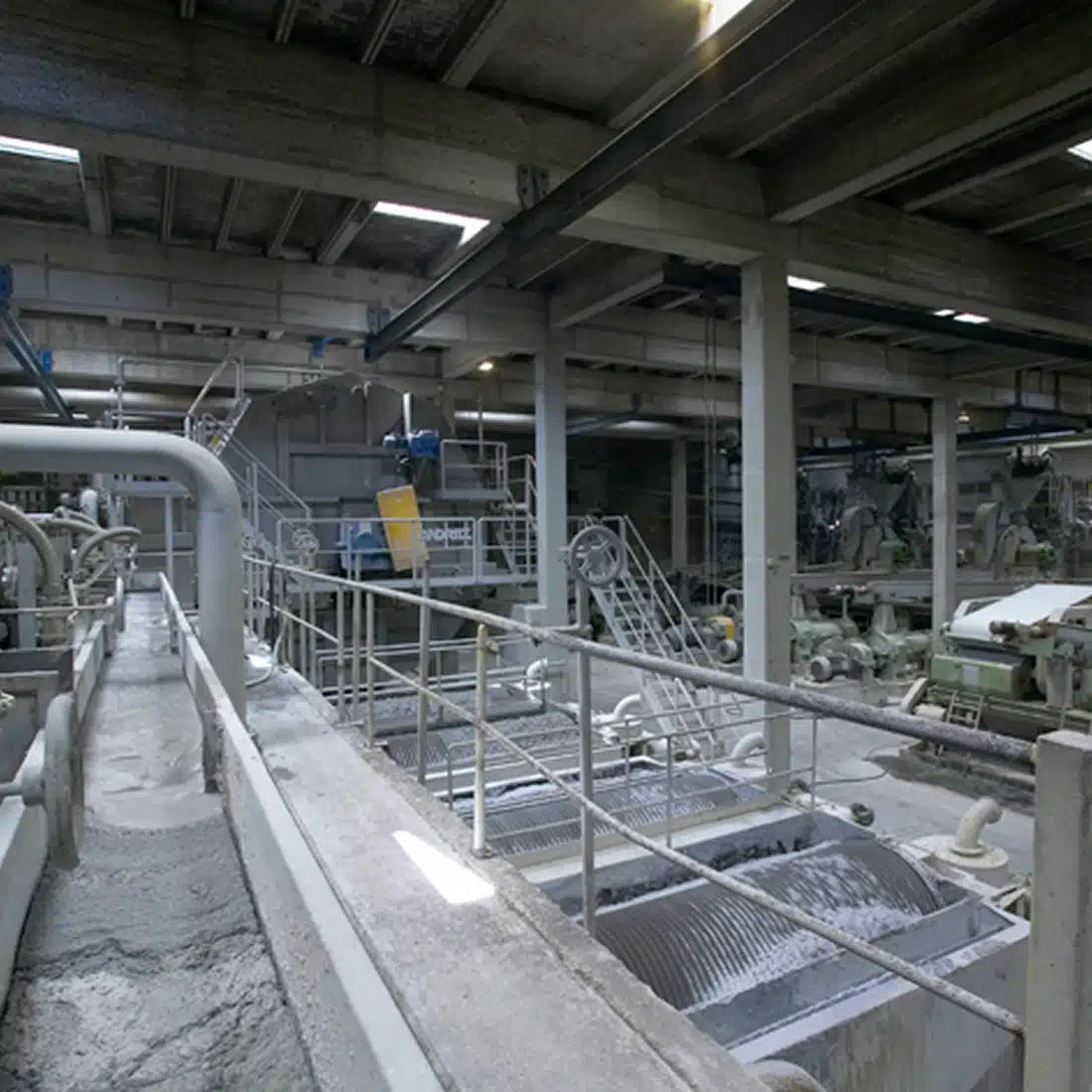
For MM, product and process innovation form part of an integrated approach to packaging development. The company produces cartonboard and paper predominantly from renewable raw materials and combines material expertise with packaging development across a broad range of applications.
Ultimately, effective packaging design for recycling considers materials, components, packaging structure and the intended end-of-life route from the start, helping businesses meet both functional and evolving regulatory requirements.
Frequently Asked Questions on Packaging Design
Its material composition and complete packaging structure need to be compatible with the relevant recycling process. Coatings, adhesives, labels and other components can influence this compatibility.
No. Actual recycling also depends on collection, sorting and available recycling infrastructure, which can vary by market.

Do you want to keep finding us easily on Google?
Add us as a preferred source and give our content greater prominence when searching for information on Google.