Improving Resource Efficiency in Pulp and Paper Production
Producing paper and cartonboard requires careful management of raw materials, water and energy. As efficient resource use becomes increasingly important, manufacturers need reliable information to understand consumption, identify variations and improve production processes.
Data analytics and sensors make resource use more transparent, helping production teams make informed decisions, test targeted adjustments and assess the results.
Understanding pulp as a raw material
Pulp is a fibrous material used to produce paper and cartonboard. It is commonly made from wood, although other fibre sources can also be used. During production, fibres are separated and prepared for papermaking.
Monitoring material use throughout these processing stages can help identify losses and variations that may affect production efficiency.
How production data reveals improvement opportunities
Collecting and analysing production data helps manufacturers understand how resources are used and where processes may require closer attention. Three areas are particularly relevant:
- Monitoring consumption. Tracking the use of raw materials, water and energy over time can reveal unusual patterns.
- Identifying variations. Comparing data across shifts, machines or operating conditions can highlight differences that warrant further investigation.
- Assessing results. Combining consumption data with production data helps teams evaluate whether process adjustments are delivering the intended outcome.
Reliable data provides a sound basis for targeted improvements and helps translate insights into operational action.
How sensors strengthen production monitoring
Sensors can continuously monitor conditions at different points in a manufacturing process. Depending on the application, they may measure variables such as flow, temperature, pressure or water quality.
When connected to suitable monitoring systems, these measurements can help operators detect deviations from expected conditions and investigate their causes. This can bring potential issues to their attention earlier than periodic manual checks.
The resulting data helps teams evaluate production conditions, test adjustments and monitor their effects over time.
Turning insights into action
A data-led approach starts with a clear objective:
- Establish a baseline. Measure resource consumption under defined production conditions.
- Identify opportunities. Review the data for recurring patterns, losses or unexpected variations.
- Test adjustments. Introduce targeted changes based on a clear operational rationale.
- Review the results. Compare performance with the baseline and verify that any improvement is sustained without compromising product quality.
This approach complements lean manufacturing principles, which focus on reviewing workflows and improving material flow. It can also support wider efforts to apply the waste hierarchy in fibre packaging mill operations.
How MM applies data-driven monitoring
MM Group is working to improve water efficiency across its MM Board & Paper mills. In 2025, water efficiency was 27% higher than in the 2019 baseline year, contributing towards MM Group’s target of a 35% improvement by 2030.
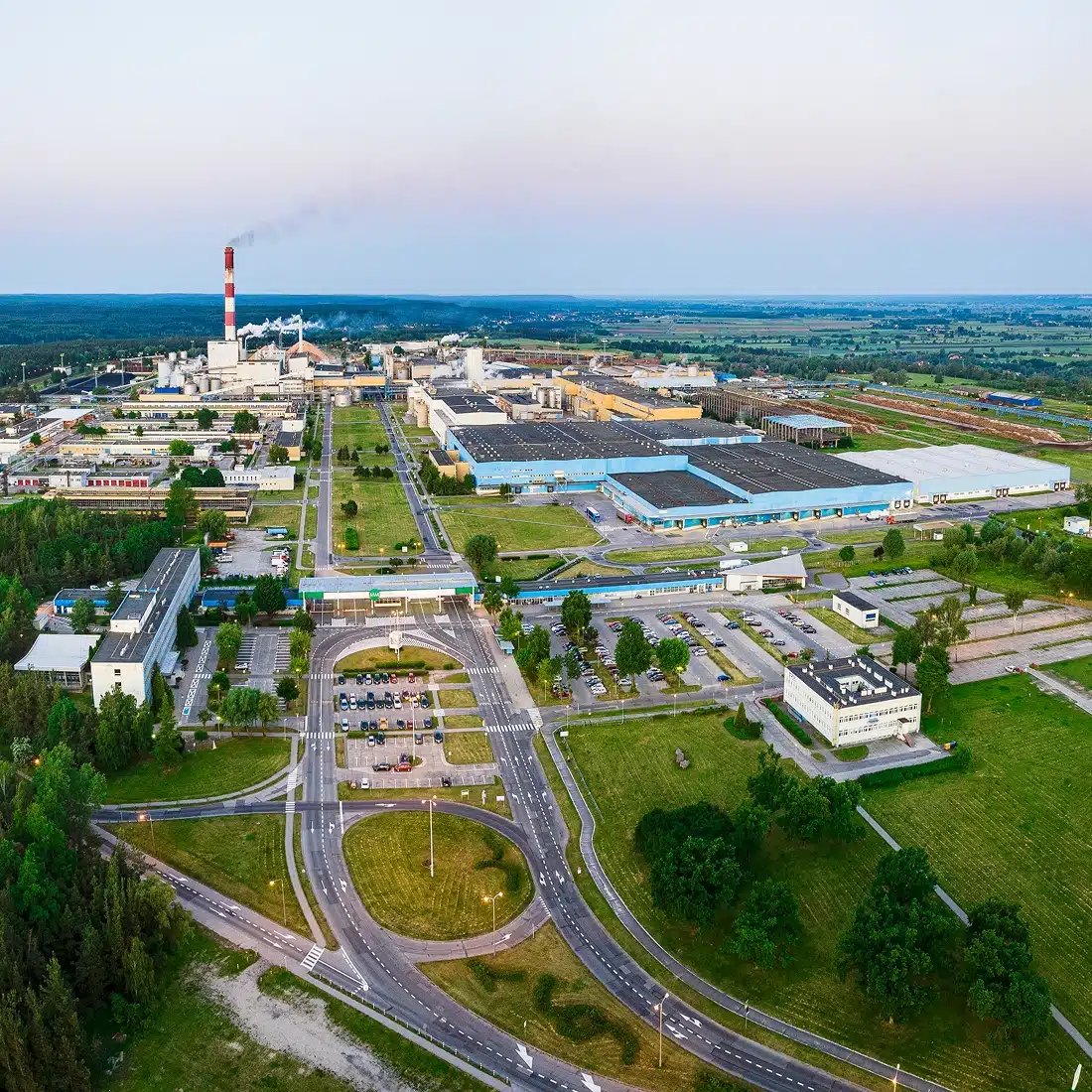
At MM Kwidzyn, online devices for measuring water quantity and quality are being implemented. The additional data supports more detailed monitoring and helps the mill identify opportunities to optimise water use.
Resource use is also influenced by decisions beyond mill operations. Product design and material selection can affect how resources are used across the value chain. MM Group explores this relationship in its article on designing out waste through food tray design.
Frequently Asked Questions About Resource Efficiency in Pulp and Paper Production
Resource efficiency depends on factors such as raw material quality, production methods, equipment performance and process control. Variations in these areas can influence fibre use, material losses, water and energy consumption, production yield and product quality.
Manufacturers can track the raw materials, water and energy used under defined production conditions. Comparing this information with production output, material losses and waste over time can help identify variations and assess the effects of process changes.
Material efficiency describes how effectively raw materials are used during production, including the reduction of material losses and waste. Resource efficiency is broader and also considers resources such as water and energy.

Do you want to keep finding us easily on Google?
Add us as a preferred source and give our content greater prominence when searching for information on Google.