Waste Reduction Programme: Using Data to Reduce Production Waste
In manufacturing, waste can arise at different stages of production, from material handling and machine settings to converting processes and quality control. Understanding where these losses occur provides a basis for improving operational efficiency and resource use.
A continuous waste reduction programme brings structure to this process. By combining production data, standardised processes and regular performance reviews, manufacturers can identify the key sources of waste, prioritise improvement opportunities and assess the impact of corrective actions.
What is a waste reduction programme?
A waste reduction programme is a coordinated approach to preventing waste, reducing material losses and improving resource use across operations. Rather than relying on isolated initiatives, it establishes an ongoing process for identifying sources of waste, implementing targeted measures and reviewing their impact.
In production environments, this means understanding which processes generate waste, how much material is affected and what factors contribute to the losses. This allows teams to focus improvement efforts where they can have the greatest operational relevance.
The UK Government’s Waste Prevention Programme for England also highlights the role of data and information in improving resource management.
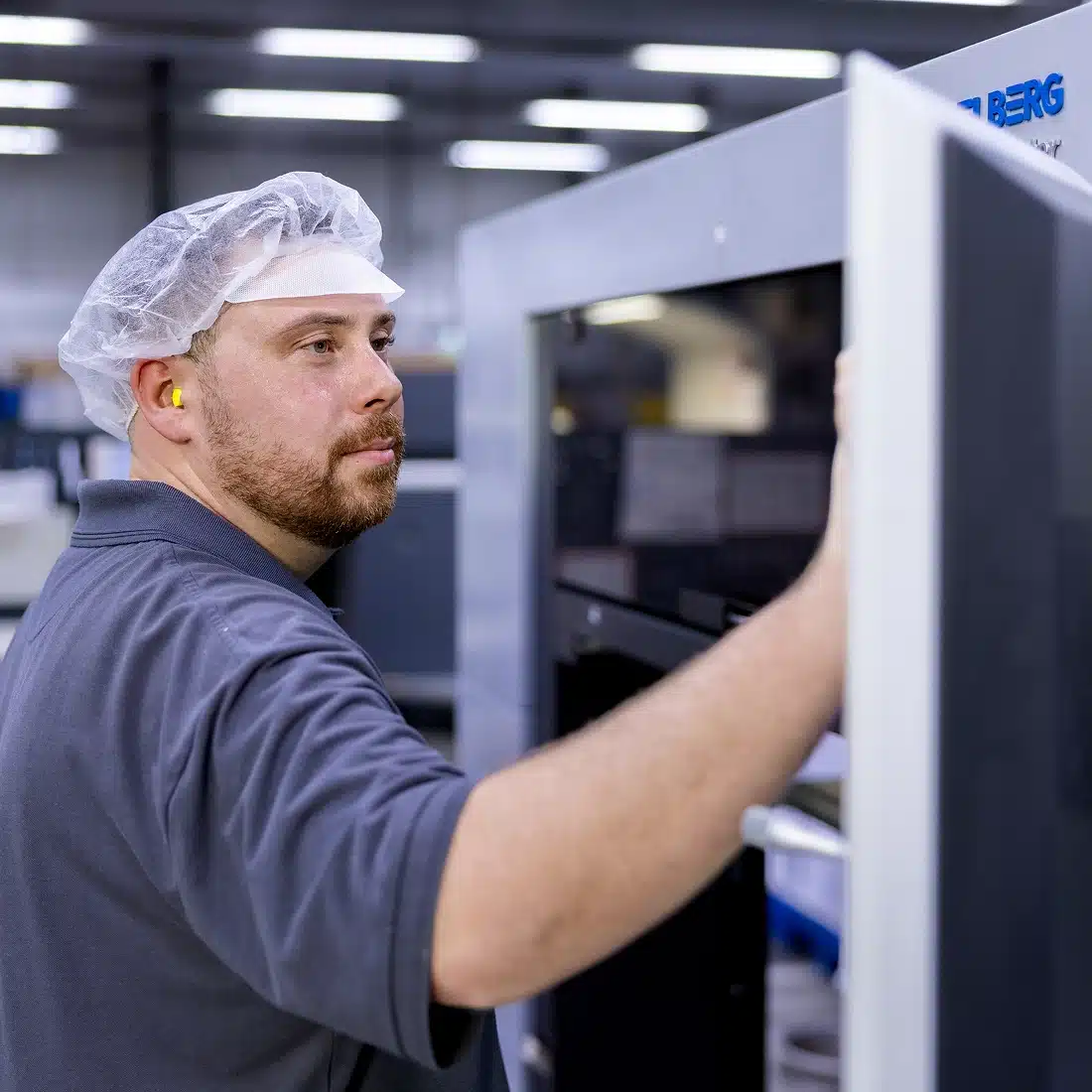
How data helps identify production waste
An effective programme starts with a clear picture of material flows and production losses. Production records, waste documentation and operational data can help establish where losses occur, identify patterns and provide a basis for targeted action.
1. Establish a baseline
Collect data on waste volumes, material types, production processes and treatment routes. Classifying waste by source helps distinguish recurring process losses from other waste generated at a site.
Where appropriate, waste volumes can also be considered alongside production output. This provides additional context when comparing performance across periods with different production levels.
2. Identify the main waste drivers
Analyse the data to identify patterns, recurring losses and differences between production lines or sites. For example, repeated material rejects or offcuts may indicate areas where machine settings, handling practices or process parameters should be reviewed.
Looking beyond total waste volumes helps teams focus on potential causes and determine where operational measures may be appropriate.
3. Implement targeted improvements
Once relevant waste drivers have been identified, teams can define appropriate corrective actions. Depending on the process and findings, these may include reviewing machine settings, improving material segregation, refining operating procedures or sharing effective practices between sites.
Standardised guidance and clear responsibilities can then help integrate these measures into day-to-day operations.
How to measure waste reduction
Consistent measurement helps determine whether implemented measures are delivering the intended results. Relevant indicators may include:
- Total waste generated: the quantity of waste produced during a defined period.
- Waste intensity: waste generated relative to production output, where comparable production data is available.
- Waste treatment routes: quantities directed to different treatment routes, such as reuse, recycling, recovery, incineration or landfill.
- Progress against defined targets: changes in waste volumes or treatment outcomes compared with an established baseline.
For meaningful comparisons, the same reporting boundaries and calculation methods should be applied, while relevant changes in production volumes or site coverage should be taken into account.
From measurement to continuous improvement
Measurement alone does not reduce waste. Its value lies in using the findings to inform operational decisions. Regular reviews allow teams to assess implemented measures, investigate changes and identify further areas for improvement.
At MM Packaging, for instance, data analysis is used to identify key waste drivers across production sites. Digital tools, a centralised best-practice database, standardised machine-setting guidance as well as employee awareness and communication initiatives support this approach.
Using production data in this way creates a structured link between measurement, action and review, helping manufacturers refine their approach over time.
Waste prevention and reduction are part of a broader approach to material efficiency. Where waste cannot be prevented, other treatment routes may need to be considered depending on the material and applicable conditions. MM Group explores this broader perspective in the article on applying the waste hierarchy in fibre packaging mill operations.
Material efficiency can also be addressed earlier in the value chain. The article on designing out waste through food tray design looks at how packaging design can influence material use.
A continuous waste reduction programme therefore connects reliable measurement with targeted operational action. Consistent data and clearly defined indicators provide the basis for identifying waste drivers, implementing measures and reviewing their impact over time.
Frequently Asked Questions on Waste Reduction Programmes
A waste reduction programme is a structured approach to preventing waste and reducing material losses in operations. In manufacturing, it typically combines data collection, analysis of production losses, targeted corrective actions and regular performance reviews.
Depending on the production process and identified waste drivers, measures may include adjusting machine settings, improving material handling, reducing avoidable offcuts, improving material segregation or refining operating procedures. Where waste cannot be prevented, appropriate treatment routes can also be considered.
The seven Rs are commonly described as rethink, refuse, reduce, reuse, repair, repurpose and recycle, although terminology may vary between frameworks. They provide general principles for considering material and resource use. In an industrial context, the applicable measures depend on the specific material, process and available treatment options.

Do you want to keep finding us easily on Google?
Add us as a preferred source and give our content greater prominence when searching for information on Google.