Designing Out Waste: Why the Right Food Tray Matters
The role of packaging is changing. Beyond protecting products, it is increasingly expected to support material efficiency and circularity. For the food industry, this has accelerated the shift from conventional plastic trays towards fibre-based alternatives.
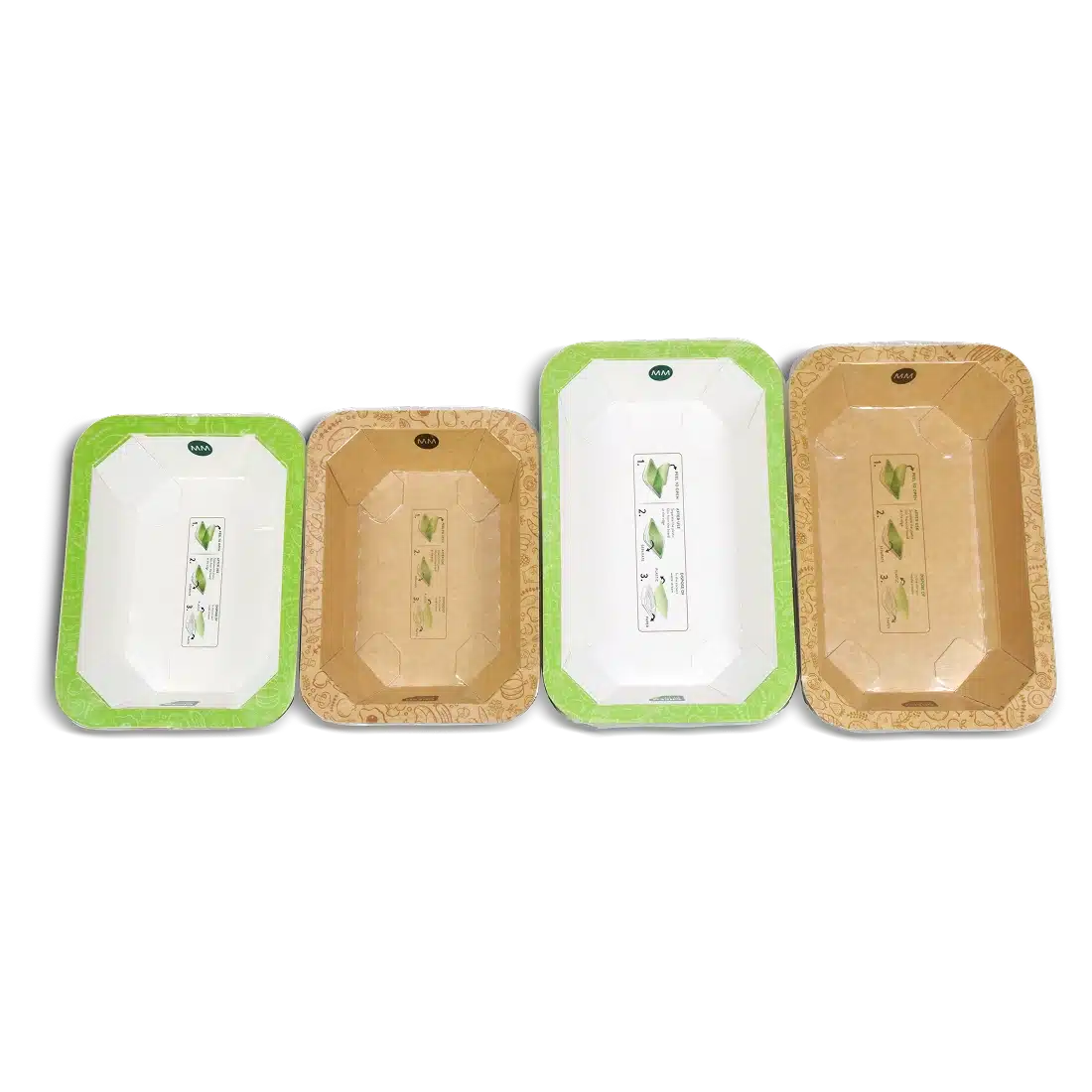
MM Group’s GreenPeel demonstrates how thoughtful packaging design can contribute to this transition. Developed as a fibre-based alternative for selected food applications, GreenPeel helps reduce plastic use while maintaining the functionality required throughout the supply chain. Rather than focusing solely on replacing one material with another, it reflects a broader approach to designing packaging that performs efficiently and uses resources responsibly.
Food tray innovation begins with smarter material choices
Designing out waste starts with choosing materials that deliver the required performance while reducing plastic. Fibre-based packaging offers manufacturers an opportunity to rethink how products are protected, transported and presented.
GreenPeel has been developed as a paper tray solution for selected applications where conventional plastic trays can be replaced with fibre-based packaging. This approach helps manufacturers reduce plastic use while maintaining the protection and presentation of food packaging containers.
Supporting the transition to fibre-based packaging
Minimising plastic is most effective when supported by practical design and technical expertise. By ensuring smooth integration into existing sealing and production lines, this fibre-based innovation allows brands to transition to modern paper food packaging without compromising operational efficiency or requiring costly machinery overhauls.
Food tray performance remains essential
Reducing plastic should never come at the expense of packaging performance. Food manufacturers continue to require solutions that protect products, support efficient logistics and preserve product quality throughout the supply chain.
GreenPeel has been designed to meet these expectations while reducing reliance on plastic. Its fibre-based construction demonstrates that well-designed food packaging solutions can deliver the strength and functionality required for a wide range of applications.
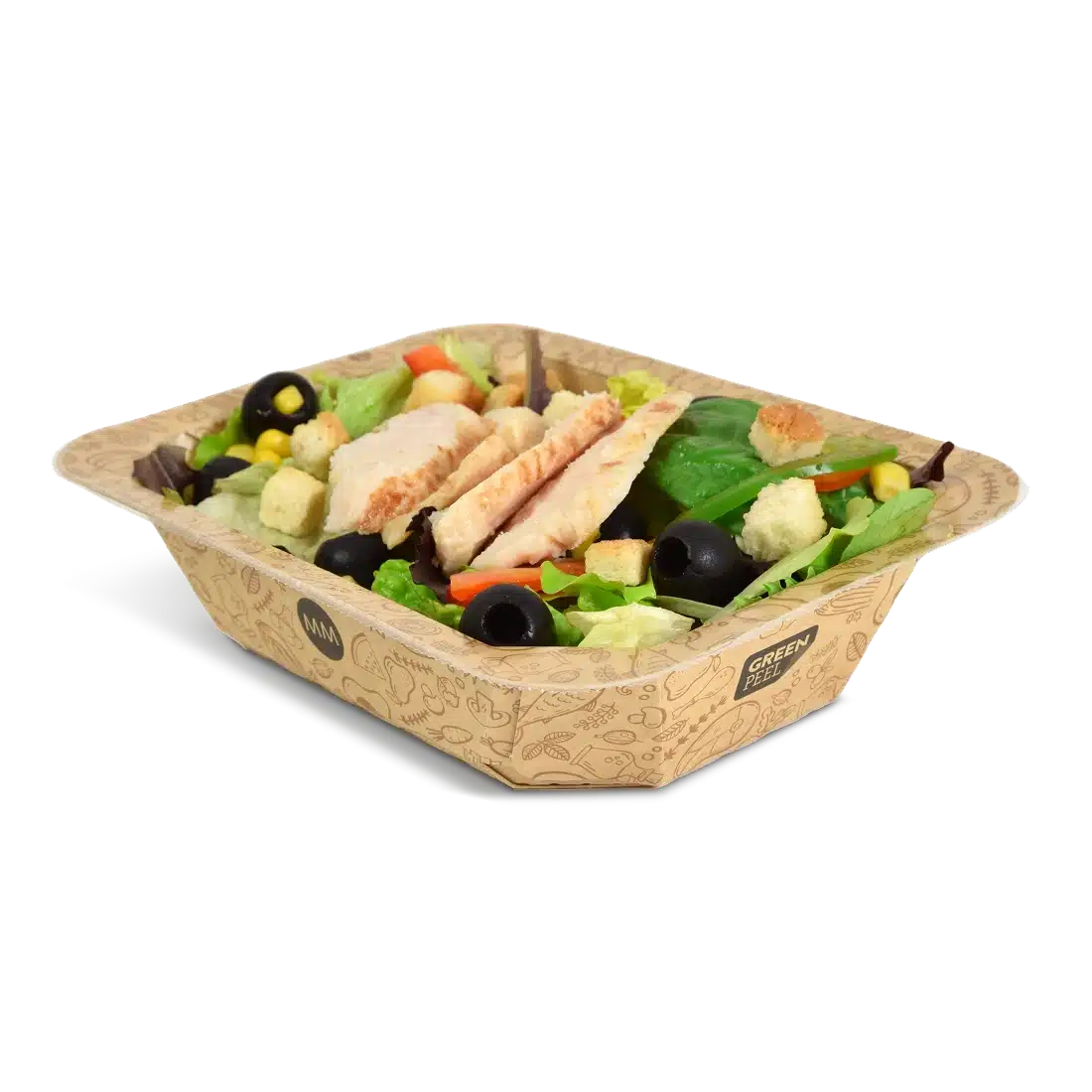
A practical example of packaging innovation
GreenPeel is one example of how fibre-based packaging solutions are being developed to address changing market requirements. This approach aligns with MM’s wider sustainability strategy, which focuses on resource efficiency and circularity across its operations and value chain.
Food tray design supports the future of packaging
As expectations for packaging continue to evolve, businesses are looking for solutions that balance functionality with responsible material use. Fibre-based innovations such as GreenPeel demonstrate how thoughtful design can help reduce plastic while supporting more circular packaging systems.
The future of packaging is not simply about replacing one material with another. It is about designing smarter solutions that optimise resources throughout the product lifecycle. As demand grows for innovative serving trays for food and other fibre-based formats, packaging design will continue to play an important role in helping brands capture the dual benefits of choosing a plastic substitute in product packaging while supporting a more circular economy.
Frequently asked questions on more sustainable food tray options
Fibre-based food trays help manufacturers reduce reliance on plastic while maintaining the performance expected for many food and beverage packaging applications. They can support circular packaging strategies through the use of fibre-based materials and efficient resource management.
Modern paper food packaging is engineered to deliver the strength, stability and protection required for many food products. Solutions such as GreenPeel demonstrate how fibre-based materials can meet demanding packaging requirements while helping businesses reduce overall plastic use.
GreenPeel is designed as a fibre-based alternative to conventional plastic trays for selected food applications. By reducing the use of plastic and increasing the use of fibre-based materials, it supports packaging solutions designed in line with circular economy principles.