Integrating Recycled Fibre into Production Lines
Using recycled fibre in paper and board production involves more than introducing a different raw material. The quality and availability of recovered fibre, the requirements of the finished product and the capabilities of the production line all need to be considered.
Understanding how these factors interact helps manufacturers make informed decisions about where and how recovered fibre can be used in existing production processes.
In practice, this involves five key steps: defining material requirements, sourcing and assessing recovered fibre, checking incoming material, adapting the production process and monitoring quality.
1. Define material and product requirements
The starting point is the finished product. What properties does the paper or board need to deliver? Depending on the application, relevant requirements may include strength, surface characteristics, brightness, printability and runnability.
These specifications help determine which recovered fibre grades may be suitable and how they can be incorporated into the fibre furnish. Based on the application and available material, recovered fibre may be used as the main fibre source or blended with virgin fibre.
There is no standard composition for every product. The appropriate furnish depends on the product specification, the available fibre and the production process.
2. Source and assess recovered fibre
Recovered fibre comes from used paper and board that has been collected and sorted for further processing. Collection and sorting partners therefore play an important role in supplying material suitable for paper and board production.
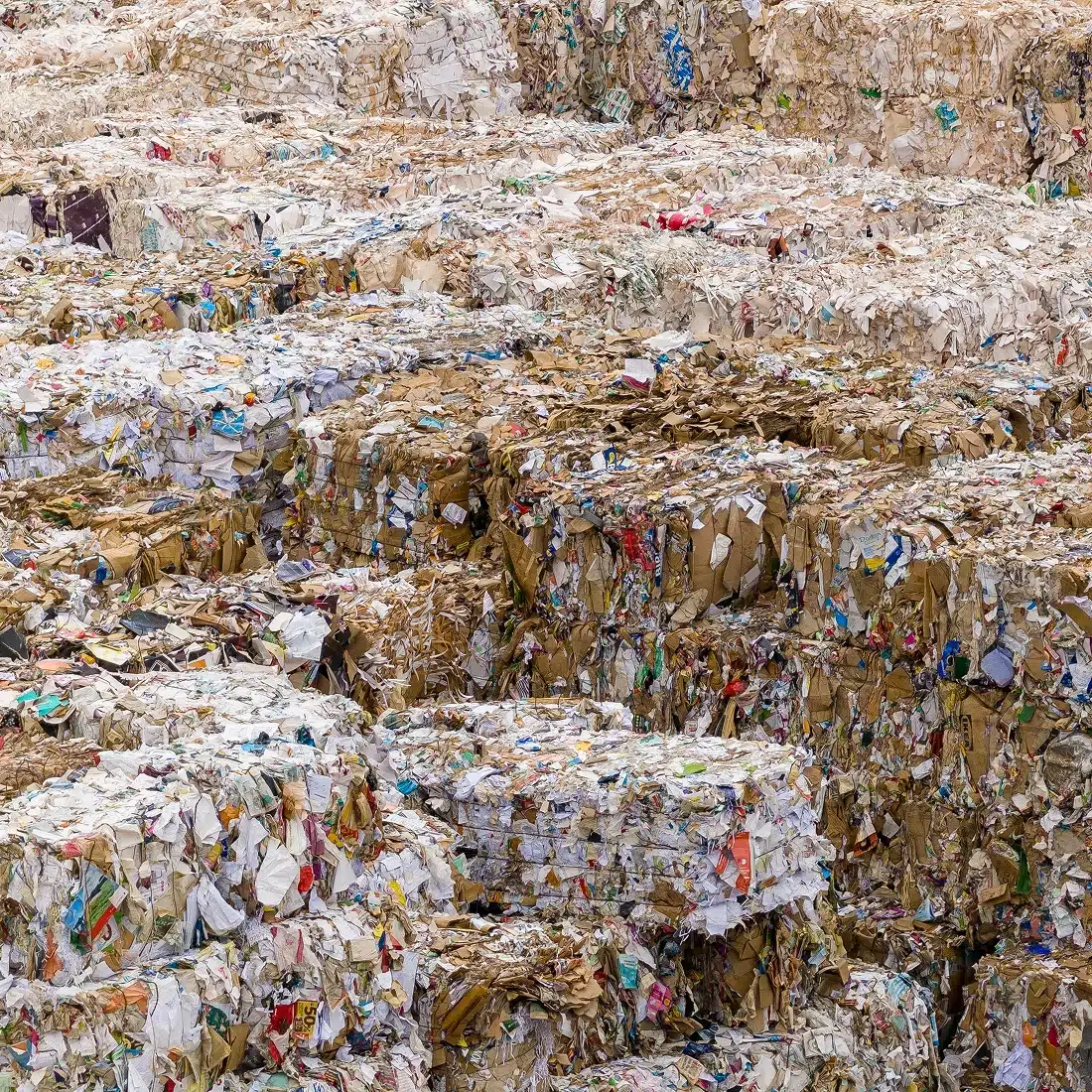
However, recovered paper can vary in grade, composition and condition. Manufacturers need to assess suppliers and incoming material against their requirements, considering factors such as quality, consistency and availability.
The EN 643 standard provides a classification system for recovered paper and board. A classification alone, however, does not mean that every delivery has identical characteristics. Collection and sorting practices as well as unwanted materials can influence the quality of incoming material.
As explored in MM Group’s article Taking fibre quality beyond the loop, understanding these variations and maintaining close communication with suppliers can support the assessment of recovered fibre streams.
3. Check and prepare incoming material
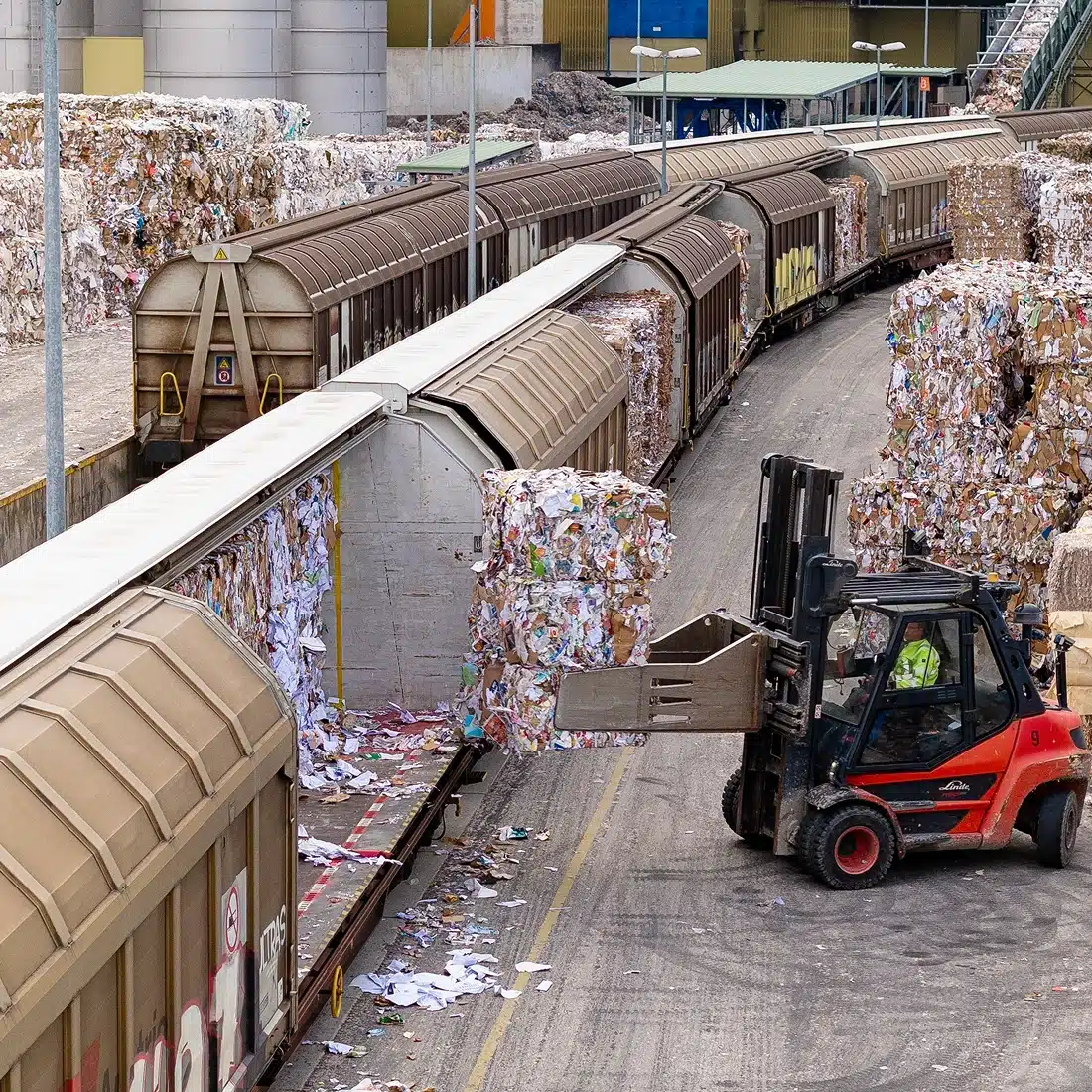
Before recovered paper enters production, incoming loads need to be checked against the relevant purchasing and quality specifications. Depending on the mill and material, this can include verifying the declared grade, inspecting its condition and identifying unwanted components that could affect processing.
Storage and segregation can help keep different grades separate and maintain traceability during material handling. The exact checks and preparation steps depend on the material, production equipment and intended application.
4. Adapt the furnish and production process
Once accepted, recovered paper is prepared for production and incorporated into the fibre furnish. Characteristics such as fibre length, moisture content and previous processing can influence how the material behaves during production and affect the properties of the finished paper or board.
Controlled trials can help manufacturers assess different furnish compositions and production settings. The objective is to determine whether the selected material and process conditions meet the required quality and runnability specifications.
The right approach depends on the individual production line and product. MM Group’s article on lean manufacturing and material flow provides further insights into how reviewing processes and material flows can help identify opportunities for operational improvement.
5. Monitor quality and adjust where needed
Quality monitoring continues throughout production. Depending on the product and process, manufacturers may monitor furnish consistency, production stability, reject levels and finished-board properties such as strength, surface quality and printability.
When results vary, production teams can examine different parts of the process, from incoming material and fibre preparation to furnish composition and machine settings. This helps identify where adjustments may be needed.
Production also generates different material and waste streams. MM Group’s article on applying the waste hierarchy in mill operations looks more closely at how these streams can be considered in relation to prevention, reuse, recycling and recovery.
Making recycled fibre work in production
Integrating recycled fibre requires a coordinated approach throughout the production process. From assessing incoming material to selecting the fibre furnish and monitoring production, each step helps determine how recovered fibre can be used. The appropriate type and proportion will ultimately depend on the specific product, available material and production line.
Frequently Asked Questions about Recycled Fibre
Recycled fibres are fibres recovered from used paper and board and processed for use again as raw material. Their characteristics depend on factors such as the original material, grade, collection and sorting methods and previous processing. These differences influence their suitability for different paper and board applications.
Quality can be managed by checking incoming material against defined specifications and monitoring relevant parameters throughout production. This may include furnish consistency, production stability and finished-product properties. If variations occur, reviewing the incoming material, preparation process, furnish composition and production settings can help identify where adjustments may be needed.

Do you want to keep finding us easily on Google?
Add us as a preferred source and give our content greater prominence when searching for information on Google.