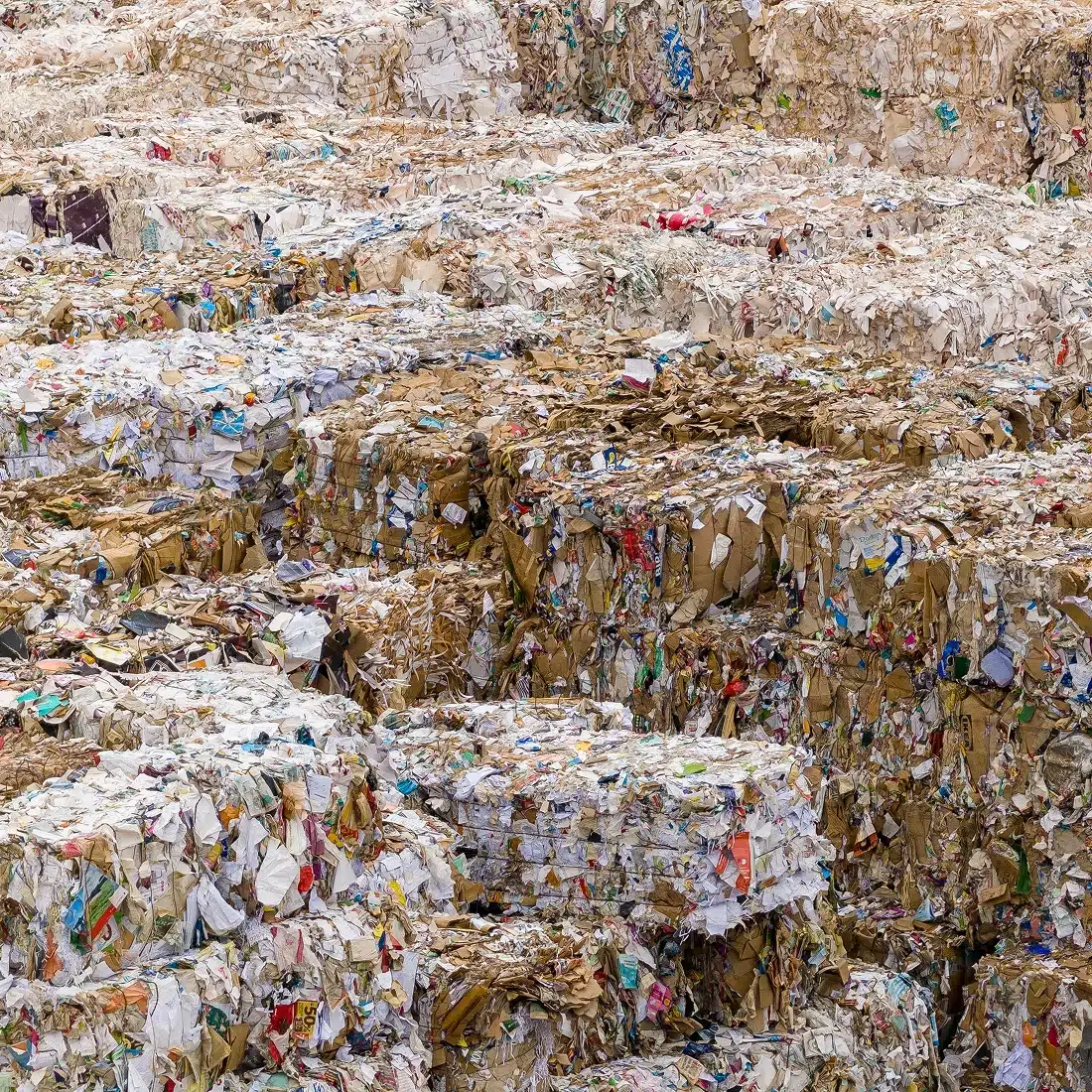
Building Partnerships with Plastic Recyclers for More Consistent Inputs
Manufacturers looking to incorporate recycled materials into their products face a practical challenge: securing materials that meet their technical and operational requirements on a consistent basis. The quality and availability of secondary raw materials can vary depending on how waste is collected, sorted and processed.
For this reason, long-term collaboration with plastic recyclers can play an important role in supply planning. By working closely with suppliers, manufacturers can align material specifications, improve traceability and share information about future demand. This creates a clearer basis for addressing variations in supply and planning the use of available secondary raw materials more effectively.

Why consistency matters when using recycled materials
Unlike virgin raw materials, recycled plastics come from a range of post-consumer and post-industrial waste streams. Their composition can vary depending on the original products as well as collection, sorting and processing methods. Differences in polymer types, pigments, additives or contamination may affect properties such as melt flow index, viscosity and mechanical strength.
For manufacturers, these variations can influence extrusion, moulding and other production processes. Changes in material properties may require adjustments to production settings or additional quality control to maintain defined product specifications.
Availability can vary as well. Changes in the volume or composition of sorted materials can affect procurement and production planning. Close coordination between manufacturers and recyclers can provide greater visibility of these factors and help both sides plan accordingly.
How recycling processes influence material quality
Material quality is influenced by several stages before recycled material reaches a manufacturer. Waste handling companies collect and aggregate discarded materials before they are transferred to sorting and recycling facilities. The way materials are separated at these stages affects the composition of the streams available for further processing.
In mechanical plastics recycling, processes such as shredding, washing, density separation, optical sorting and melt filtration help remove contaminants and prepare recycled materials for manufacturing. Depending on the material and intended application, the resulting recyclate can be processed into pellets. Certain multi-layer films, plastics containing carbon black pigments and materials with incompatible additives can be more challenging to sort and recycle.
This makes early communication between manufacturers and recyclers particularly valuable. Information about material requirements, processing conditions and intended applications can help both sides identify potential compatibility issues. For recyclers, understanding the intended use also provides a clearer basis for defining the material specifications required by the customer.
Building long-term partnerships across the supply chain
Once technical requirements are understood, collaboration can extend into procurement, documentation and planning. Four areas are particularly relevant:
- Shared material specifications: Defining requirements for moisture, contamination, viscosity and other relevant properties gives manufacturers and recyclers a common basis for assessing incoming material.
- Long-term supply planning: Volume commitments and offtake agreements can provide greater visibility of expected demand and support planning for sorting, washing and processing capacity.
- Traceability and documentation: Information about material origin, composition and processing supports transparency across the supply chain and can help businesses respond to customer and regulatory requirements.
- Supplier data and emissions reporting: Primary emissions data from suppliers can contribute to Scope 3 reporting and life cycle assessments, provided that the relevant data and methodologies are available.
Together, these practices provide a practical framework for managing secondary materials: clear specifications, transparent information and ongoing coordination between partners. Similar principles underpin MM Group’s approach to responsible sourcing and long-term supplier relationships in the fibre-based packaging value chain.
Lessons from fibre-based packaging
The same need for clear material requirements can also be seen in fibre-based packaging. MM Group works with recovered paper as a raw material for recycled cartonboard production, with incoming material assessed against defined quality and production requirements. The European standard EN 643 provides a common framework for classifying grades of paper and board for recycling. In practice, integrating recycled fibre into production lines also requires manufacturers to understand how incoming material characteristics interact with their production processes.
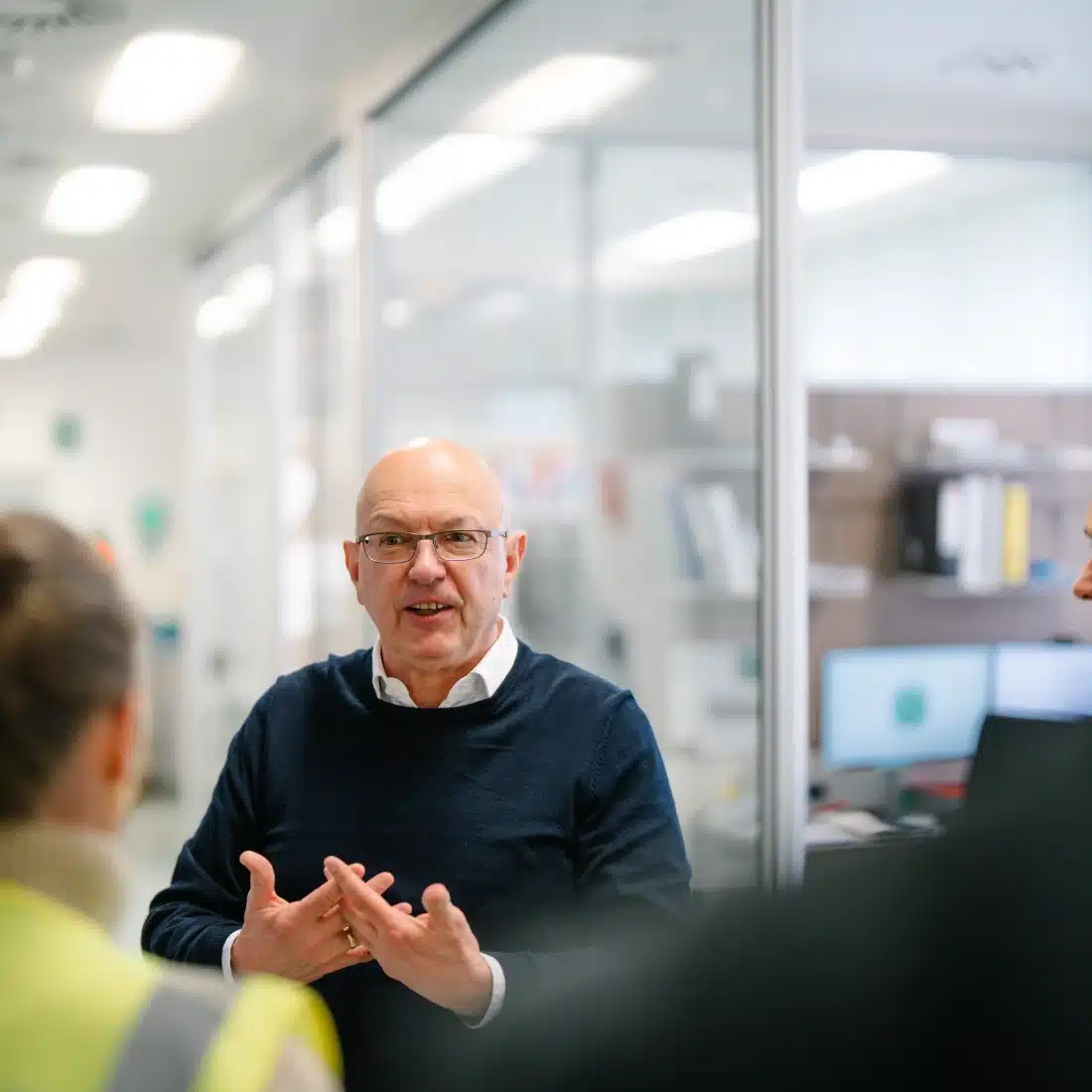
In 2025, secondary reused or recycled materials accounted for 35% of MM Group’s total resource inflows. This Group-wide figure includes both recycled fibre and other secondary material inputs.
The example illustrates a broader point. The use of secondary raw materials depends not only on their availability, but also on how well material characteristics match the requirements of the intended application.
For both plastics and fibre-based materials, clear specifications, quality assessment and coordination across the supply chain can help manufacturers manage variations in secondary raw materials and integrate suitable inputs into their production processes.
Frequently Asked Questions about Plastic Recyclers
Recycled plastic comes from different waste streams that may contain varying polymer grades, additives, pigments or residues. Collection, sorting and processing methods can also differ. These factors may influence properties such as colour, viscosity and melt flow index and, in turn, how the material behaves during manufacturing.
Manufacturers in sectors such as packaging and consumer goods may use recycled plastics as raw materials. Direct collaboration with recyclers can help both sides align material specifications, improve traceability, plan expected volumes and exchange information about the origin and composition of secondary raw materials.
A useful starting point is to define material specifications together with the supplier and establish appropriate quality-control procedures. Longer-term supply planning and information about expected demand can provide additional visibility. Sharing relevant information about processing requirements and intended applications can also help identify potential material compatibility issues at an earlier stage.

Do you want to keep finding us easily on Google?
Add us as a preferred source and give our content greater prominence when searching for information on Google.