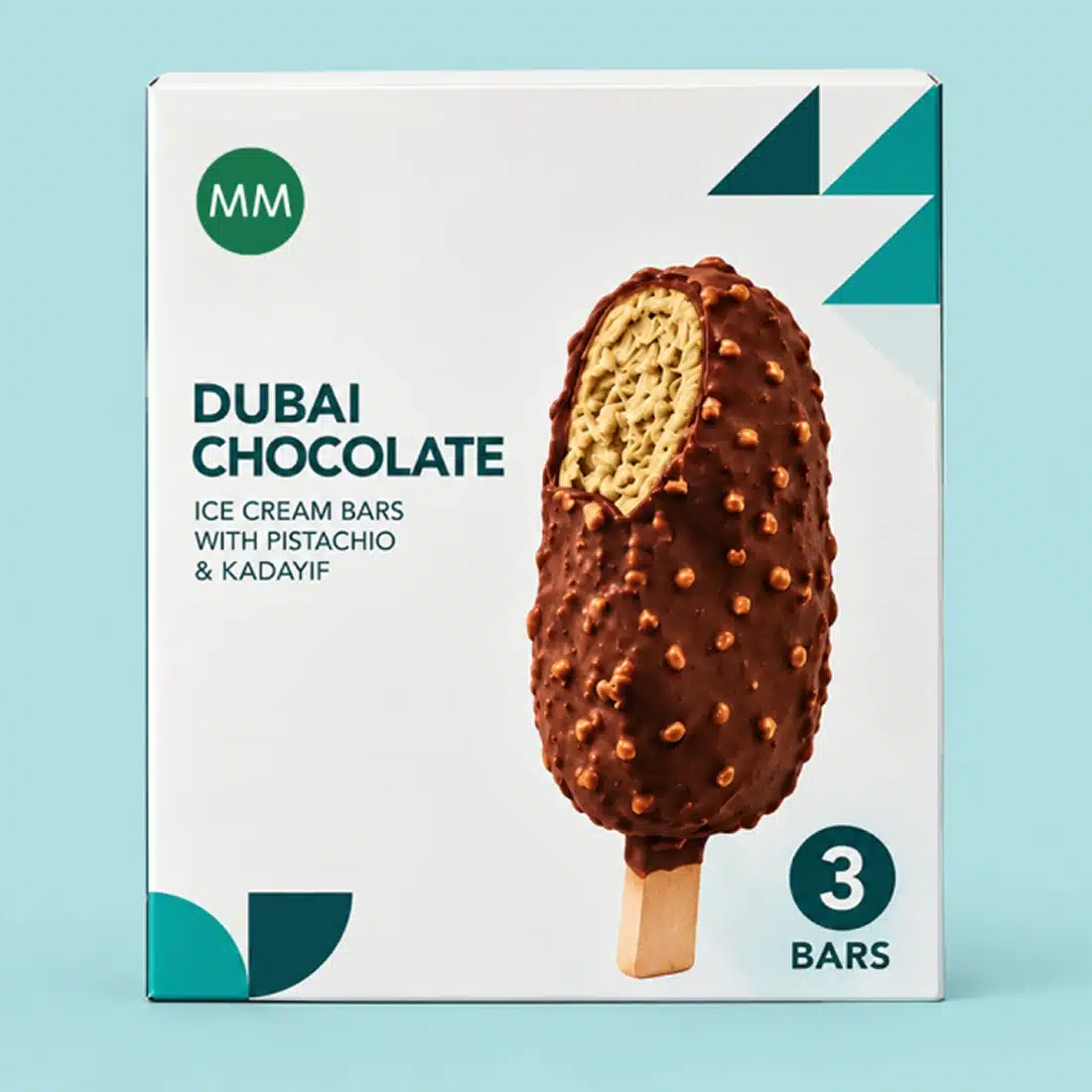
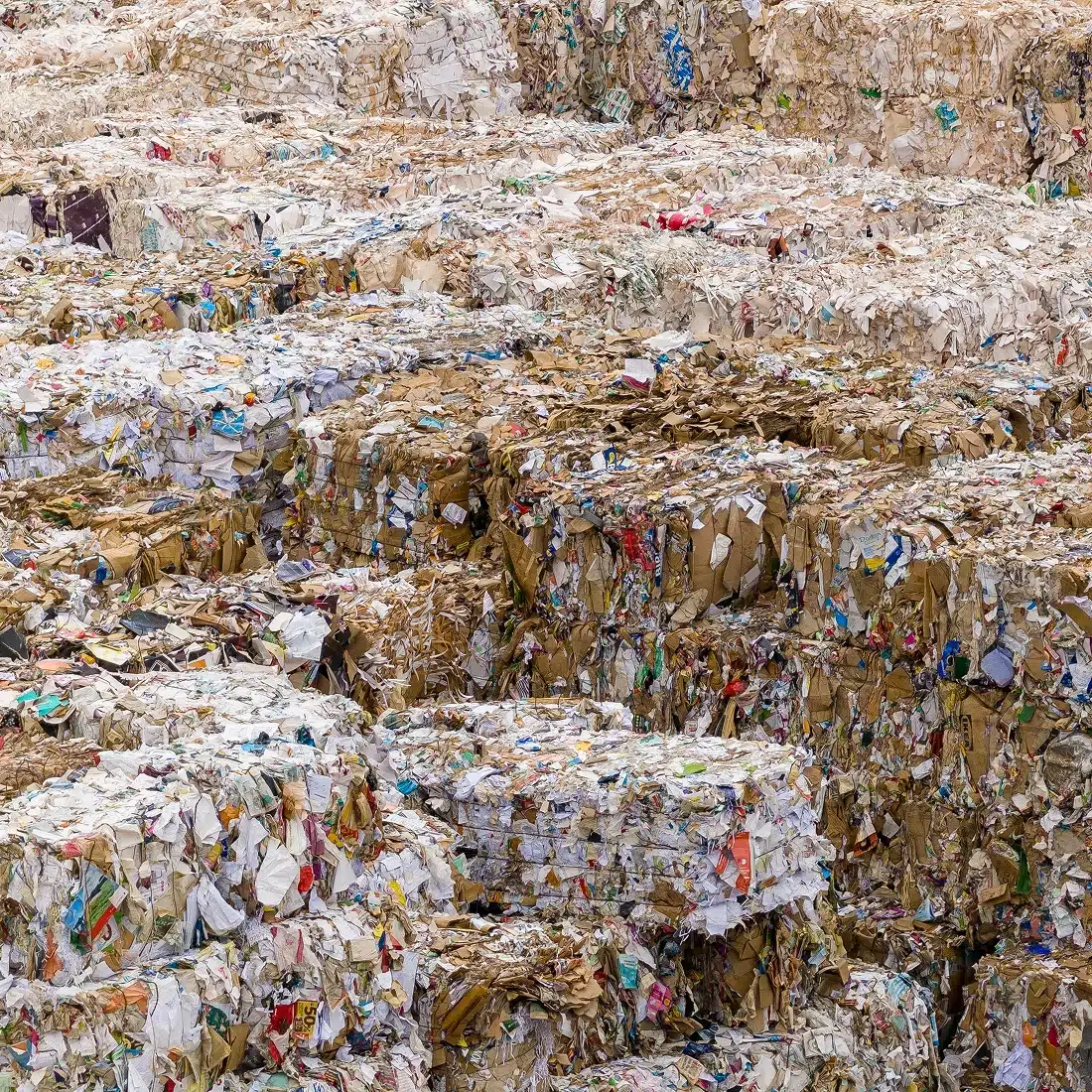
Frozen food packaging: designing fibre-based barrier solutions with end of life in mind
Frozen and chilled foods place specific demands on packaging. From production and filling to storage, transport and retail, the pack needs to protect the product while coping with low temperatures, moisture, grease and physical stress. For manufacturers looking to use fibre-based packaging, finding the right solution means considering the food, the required barrier performance, the packaging line and the conditions the pack will face throughout its journey.
Circular design also considers what happens to the packaging after use. Considering product protection, material use and end-of-life requirements together can help brands develop packaging suited to its intended application and market.
What does frozen food packaging need to do?
Frozen and chilled products face different conditions throughout the cold chain. Frozen packs may be exposed to very low temperatures and temperature fluctuations, while chilled products need to remain within the required temperature range. Packaging can support product protection throughout this journey, but it cannot replace appropriate storage and temperature control.
Depending on the application, packaging may need to provide:
- Freeze resistance to maintain pack stability at low temperatures and during temperature fluctuations.
- Grease and moisture protection to help reduce grease spots, discolouration and moisture-related damage.
- Mechanical strength to withstand handling, stacking and transport.
- Printability and converting performance for effective production and clear product presentation.
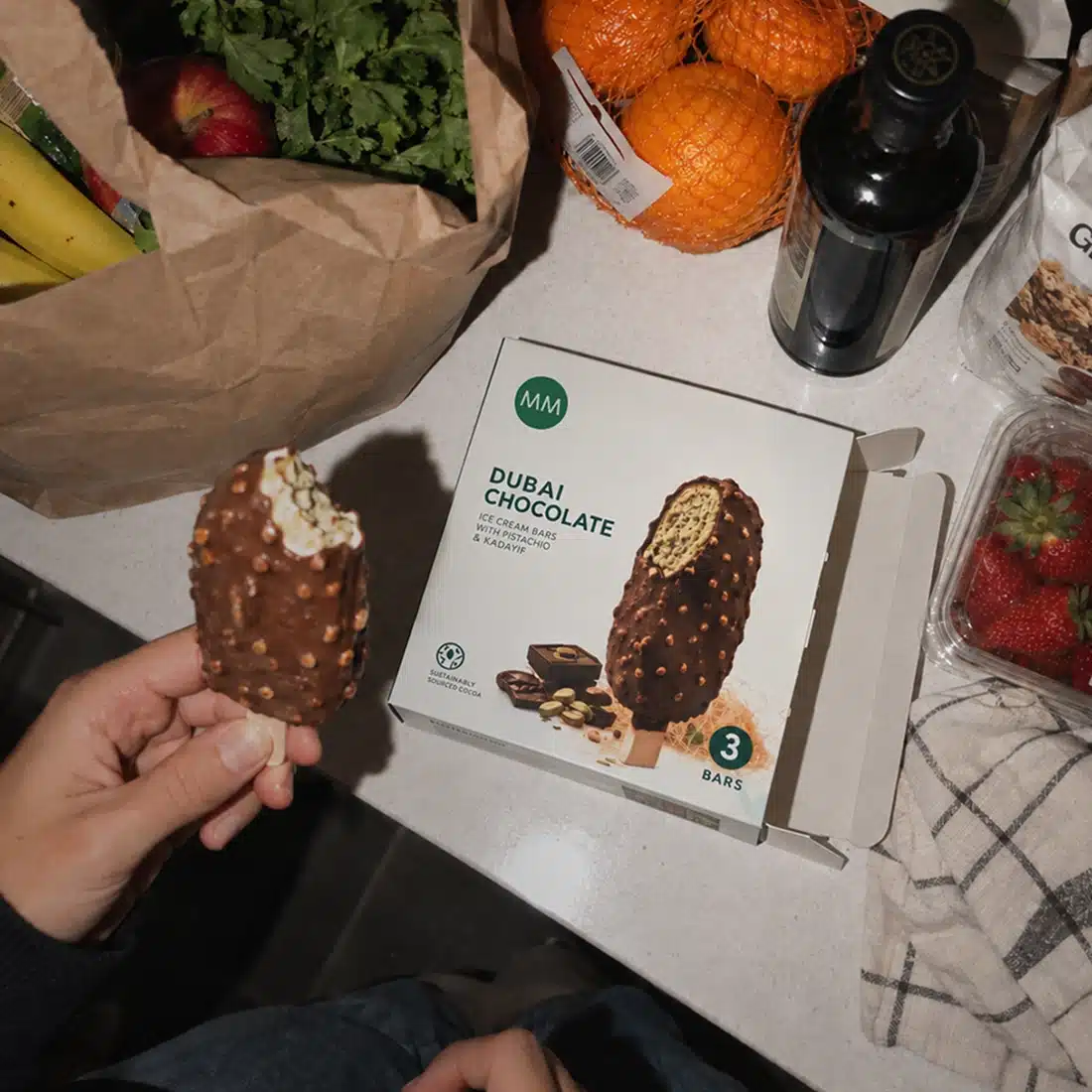
There is no single specification that works for every frozen or chilled product. The right combination depends on the food itself, including its moisture and fat content, as well as the pack format and distribution conditions.
Choosing the right barrier for the application
A barrier helps protect the packaged product against specific influences such as grease or moisture and supports the required packaging performance under defined conditions.
Fibre-based packaging can use virgin or recycled fibre-based cartonboard depending on the application and technical requirements. Different cartonboard grades and barrier options can therefore be selected according to the performance required.
Food-contact suitability is equally important. Materials and components intended for food-contact applications need to be suitable for their intended use and meet applicable regulatory requirements.
A successful packaging solution starts with the requirements of the product and its supply chain. From there, the appropriate board grade, barrier and pack design can be defined.
Considering end of life from the start
Choosing a fibre-based material alone does not determine how a finished pack will perform in recycling processes. The complete packaging design matters, including coatings, adhesives, inks and other components.
Recyclability should therefore be assessed for the finished packaging in its intended market rather than assumed from the main material alone. Pack design, compatibility with relevant recycling processes and the available collection and recycling infrastructure all play a role.
Good packaging design needs to balance the protection required for the food with the materials and components needed for the intended application and end-of-life route. As explored in the Designing out waste through the right food tray article, product protection and material use are best considered together rather than as separate questions.
Turning the specification into the right solution
Selecting the right packaging starts with understanding the product and the conditions it will face. Its moisture and fat content, storage temperature, handling requirements, pack size and filling equipment all influence the packaging specification. The collection and recycling systems available in the markets where the packaging will be sold should also be considered.
For temperature-controlled deliveries, the pack is one part of the wider cold chain. It needs to perform under the intended transport and storage conditions alongside appropriate temperature management.
Testing under representative operating conditions can help determine whether the board grade, barrier or format should be adjusted while maintaining the required level of product protection. This application-led approach helps brands and manufacturers identify a fibre-based packaging solution suited to the individual requirements of the product, production process and supply chain.
Frequently Asked Questions about Frozen Food Packaging
There is no single best packaging for every frozen product. The right solution depends on factors including the food’s moisture and fat content, storage temperature, distribution conditions and required barrier performance. For some commercial applications, fibre-based packaging with suitable barrier properties can be an option. The finished pack should be assessed and tested for its intended use, including relevant food-contact requirements.
Fibre-based cartonboard and paper packaging can offer an alternative to some plastic packaging formats, depending on the application. Frozen foods may require specific performance against moisture and grease as well as stability at low temperatures. The complete packaging solution should therefore be designed and tested for its intended application. Where recyclability is communicated, the finished pack and the relevant collection and recycling system also need to be considered.
Freezing itself does not increase the mass of food. However, some frozen products have an ice glaze, which adds to the packaged product’s weight. Applicable food-labelling requirements should therefore be considered when declaring the net weight of glazed frozen products.

Do you want to keep finding us easily on Google?
Add us as a preferred source and give our content greater prominence when searching for information on Google.