Eliminating Single-Use Plastic in Packaging: The Role of Fibre-Based Alternatives
From food packaging to consumer goods, single-use plastic has become embedded in modern supply chains because of its versatility and functionality. However, as businesses work towards reducing their environmental impact, packaging is increasingly recognised as an opportunity to improve resource efficiency and lower disposal-related emissions.
Replacing unnecessary plastic components with fibre-based alternatives is one practical step towards achieving this. Rather than focusing solely on waste management, businesses are rethinking packaging from the design stage, considering how material choices influence manufacturing, product protection, recycling and the overall lifecycle of a package.
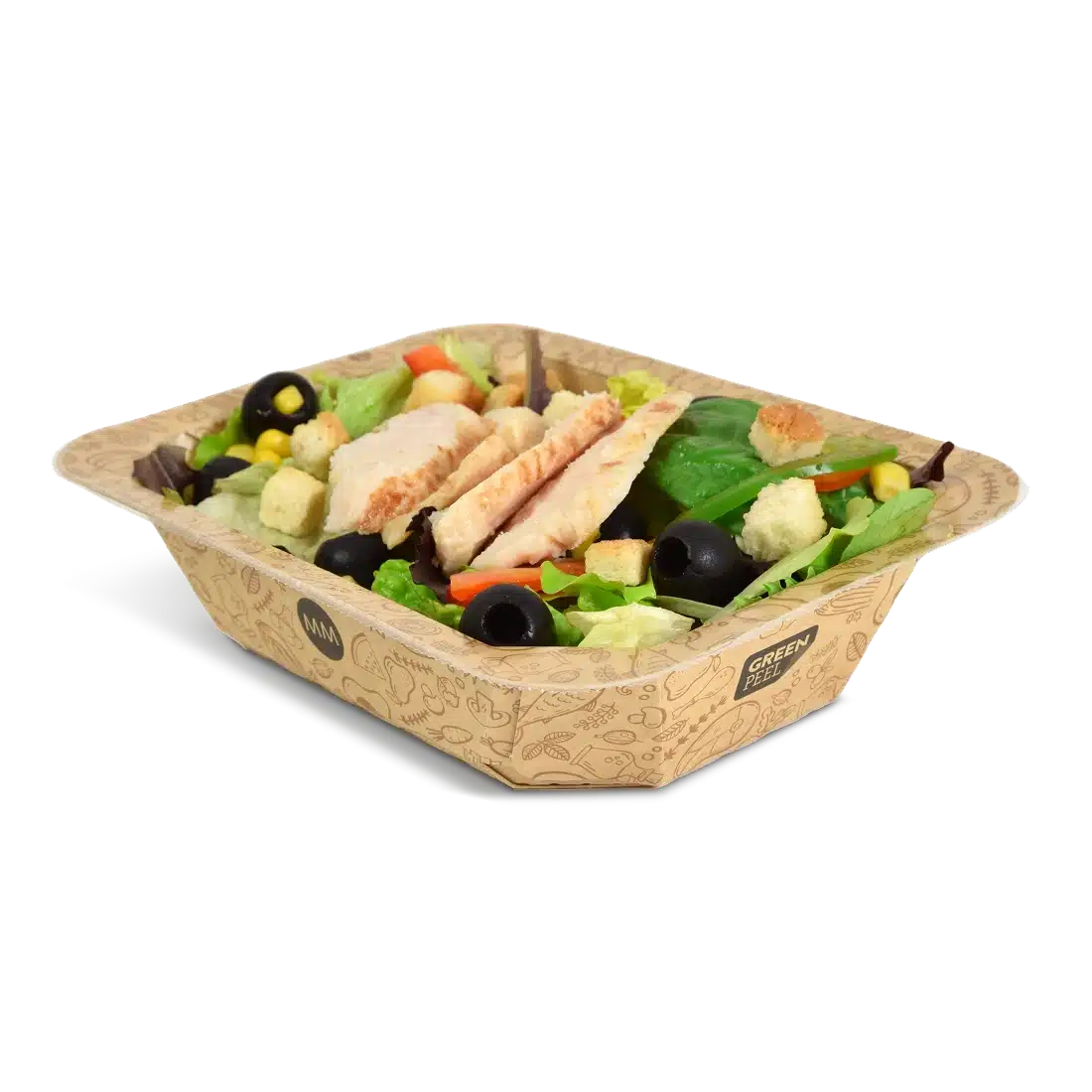
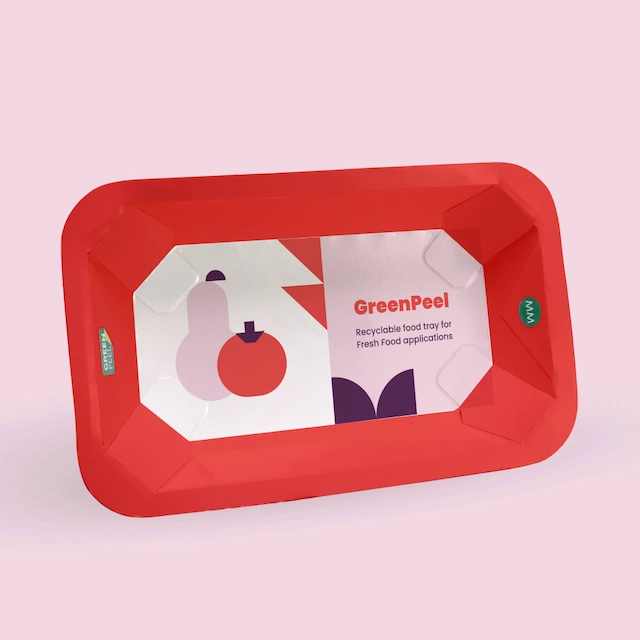
As explored in MM’s article, Designing Out Waste: Why the Right Food Tray Matters, effective packaging begins with thoughtful design that minimises waste before it is created.
Why single-use plastic remains a challenge
Understanding what is single-use plastic is the first step towards making informed packaging decisions. These materials are generally intended for one use before disposal, making their collection and recovery particularly important.
One of the key challenges is that packaging decisions have consequences long before products reach consumers. Material selection influences manufacturing, transport, collection and end-of-life treatment, contributing to plastic pollution and increasing volumes of plastic waste when materials are not effectively recovered.
While recycling remains an essential part of a circular economy, designing packaging that uses fewer resources from the outset can help reduce environmental impacts across the value chain.
Designing packaging with circularity in mind
Packaging is no longer evaluated solely on how well it protects a product. Increasingly, businesses are considering how materials can remain in circulation after use.
Fibre-based packaging supports this approach by using renewable raw materials and being designed for established paper and board recycling systems, where appropriate. Recovering valuable fibres helps reduce demand for virgin resources while supporting more circular material flows.
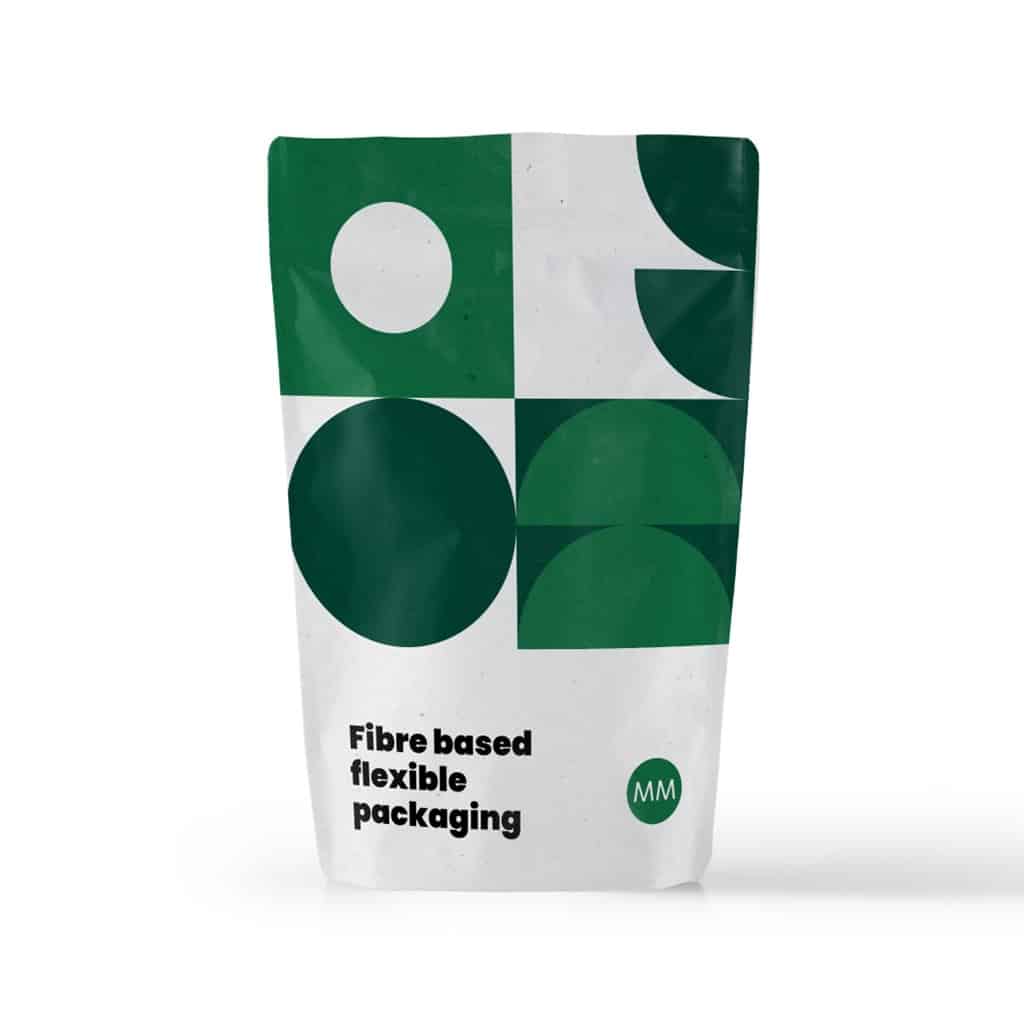
This approach reflects a broader shift from managing waste to designing packaging that retains value throughout its lifecycle.
How single-use plastic can be reduced through better packaging design
Many organisations are asking how to reduce plastic use without compromising product performance. The answer often starts with packaging design rather than simply changing materials.
Selecting the right substrate, eliminating unnecessary packaging components and designing for existing recycling systems can all improve resource efficiency while maintaining functionality.
Fibre is not intended to replace plastic in every application. Instead, the greatest opportunities lie in identifying packaging formats where fibre-based materials can deliver the required performance while reducing reliance on conventional plastics.
MM explores this approach further in The Dual Benefits of Choosing a Plastic Substitute in Product Packaging, highlighting how fibre-based solutions can balance product protection with circular design principles.
Looking beyond compliance
Packaging legislation continues to evolve, encouraging businesses to improve recyclability and optimise material use. Rather than viewing these changes purely as regulatory requirements, many organisations see them as an opportunity to innovate.
Considering the entire packaging lifecycle, from raw material sourcing to collection and recycling, allows businesses to identify opportunities to reduce material consumption while supporting long-term circularity.
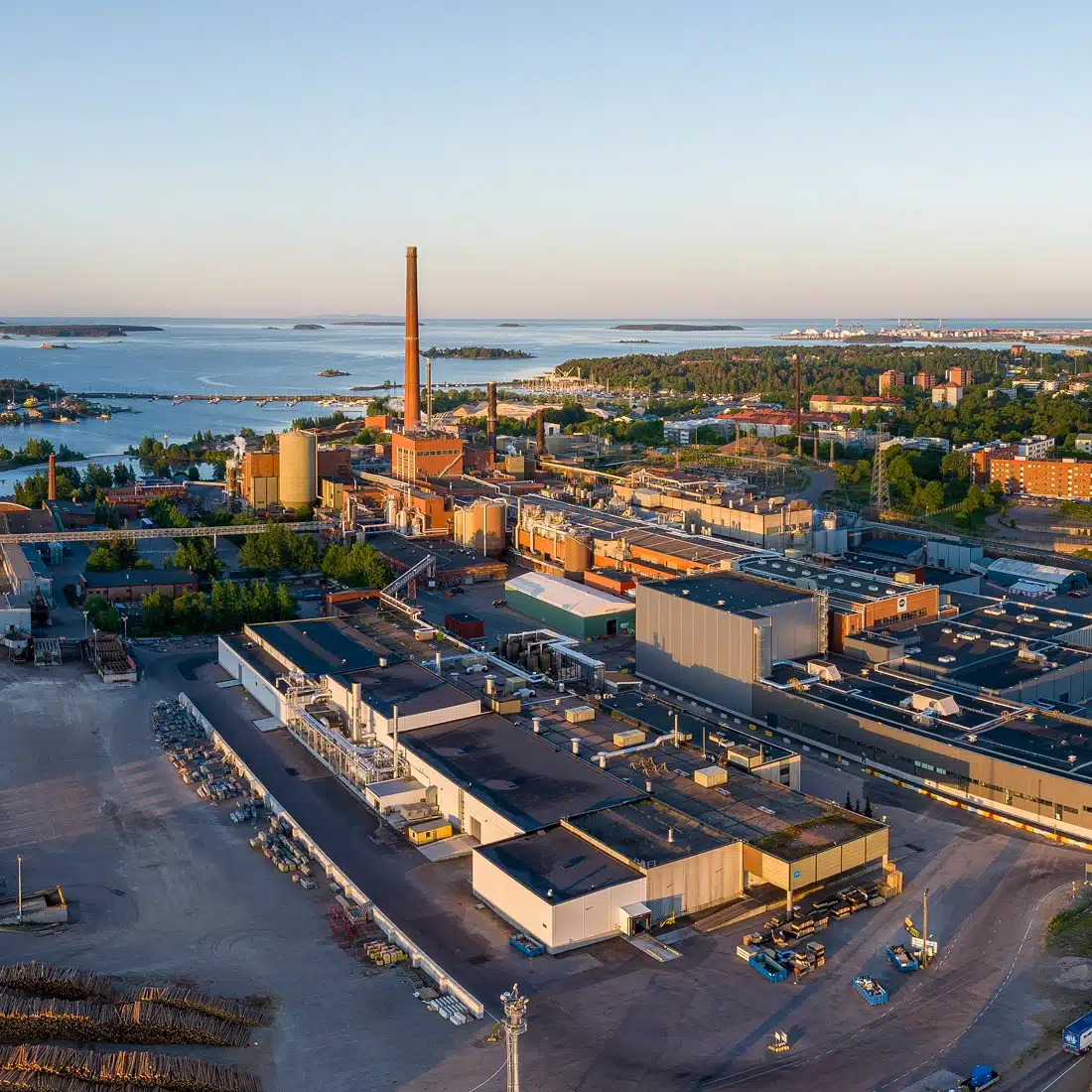
For applications that require flexible packaging, MM’s fibre-based flexible packaging solutions demonstrate how innovation can help reduce plastic packaging materials while meeting demanding performance requirements.
Building a future with less single-use plastic
The transition away from unnecessary single-use plastic is about more than replacing one material with another. It requires packaging to be designed as part of a broader system that balances functionality, resource efficiency and circularity.
Understanding what are the reasons for using single-use items, including product protection, hygiene and convenience, helps businesses identify where alternative materials can provide comparable performance.
Where technically feasible, organisations are increasingly choosing to refuse single-use plastic by redesigning packaging with fibre-based alternatives that support existing recycling systems and optimise resource use.
Ultimately, the best products to eliminate single-use plastic are those designed with the entire lifecycle in mind. By combining material innovation with thoughtful packaging design, businesses can reduce disposal-related emissions while responding to evolving customer expectations and regulatory developments.