Trust is the next packaging performance metric
Forget durability claims or unsubstantiated sustainability statistics – consumer trust is now the true marker of successful packaging.
It is no longer enough if your packaging only offers product protection. Nor is it enough to slap the label ‘sustainable’, ‘eco-friendly’, or other vague greenwashing statements on the outside of a box and hope consumers will believe it. As scrutiny over sustainability claims increases, such claims are becoming less effective and are potentially damaging brand loyalty over the long term.
The consumer trust gap no-one is measuring
Trust has always been some nebulous, hard-to-measure concept in packaging, and this has led to it often getting bolted on at the end – usually as a small line the marketing team throws in once the artwork is otherwise finished.
However, consumers are increasingly switching on to this, and they are becoming less forgiving. Packaging is the first interaction most of them have with a brand, and the claims made on it matter to their perception.
Regulators are moving in the same direction, with the EU’s Green Claims Directive pushing brands towards substantiation over slogans. A vague ‘eco-friendly’ claim that once read as reassurance now comes across as evasive, especially to a shopper who has been burned one too many times by claims that did not hold up.
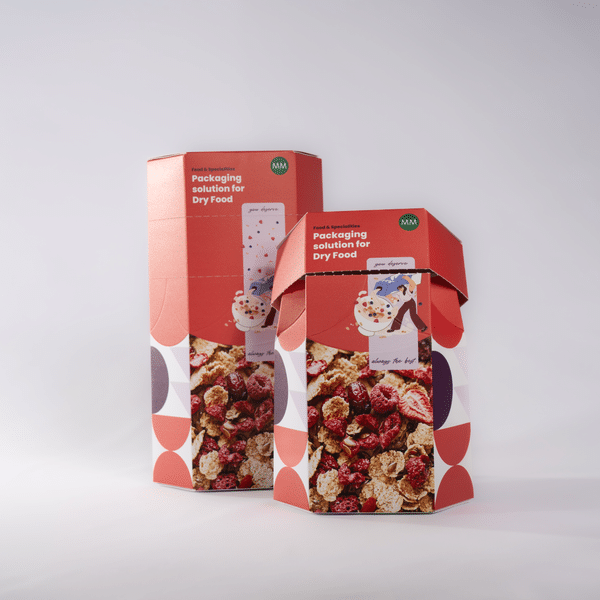
Why vague claims cost more than they serve
The problem is that there is a real, specific gulf between what brands want to communicate, and what consumers actually understand. While consumers overwhelmingly trust paper and cartonboard for recycling with 87% of respondents to a Pro Carton survey expressing confidence that these materials will be recycled – the highest of any category – only 54% of consumers say they understand the difference between recycled and virgin cartonboard.
This is not a messaging problem that can be fixed with better marketing. There is a very real consumer understanding challenge underpinning sustainability claims, and it is one that your business is legally and reputationally on the hook for.
Building consumer trust into the brief
As a result, clear, specific, substantiated claims matter more than generic sustainability language. Material choices, packaging labelling, and on-pack information form the mechanism through which a claim becomes credible, and a pack marketed as recyclable packaging without backing that up with evidence is making a claim it cannot fully support.
This is why trust has to be part of the brief from the outset, sitting alongside structural and brand requirements. The packs that hold up under regulatory and consumer scrutiny are the ones where sustainable packaging information was designed in early, by people who understood that the substantiation matters.
Greenwashing is when packaging makes an environmental claim, such as ‘eco-friendly’ or ‘sustainable’, without evidence to support it. As scrutiny of sustainability claims increases, vague or unsubstantiated labels are increasingly read by consumers and regulators as a red flag rather than a reassurance.
A recycling symbol alone does not tell a consumer whether packaging will actually be recycled in their local system, or what percentage of the material is recycled content. Recyclable packaging claims hold up better when they are specific about material composition and recycling pathway.
Packaging labelling is often the only point of contact a consumer has with a brand’s sustainability position. Clear, specific labelling builds consumer trust; generic or vague labelling erodes it, particularly as awareness of greenwashing grows.
At the brief stage, alongside structural and brand requirements. Sustainability claims added late, once material and format decisions are already locked in, are harder to substantiate and more likely to be challenged.