How Factory Automation Can Support More Efficient Resource Use
Modernising a paper or cartonboard mill is about more than replacing ageing equipment. It also means gaining a clearer understanding of how materials move through production, where losses occur and how machinery performs under different operating conditions. Factory automation can support this process. Better monitoring and control can give production teams more consistent information about process performance, helping them identify where adjustments or targeted improvements may be appropriate.
However, automation alone does not demonstrate improved resource efficiency. Its contribution depends on the technology, the production process and the measurable results achieved. This makes automation one element of a broader approach to mill modernisation and process optimisation.
How factory automation supports mill modernisation
Factory automation uses control systems, sensors and connected equipment to monitor or regulate production processes. In a mill, these technologies can help operators maintain process conditions, track performance and respond more consistently when conditions change.
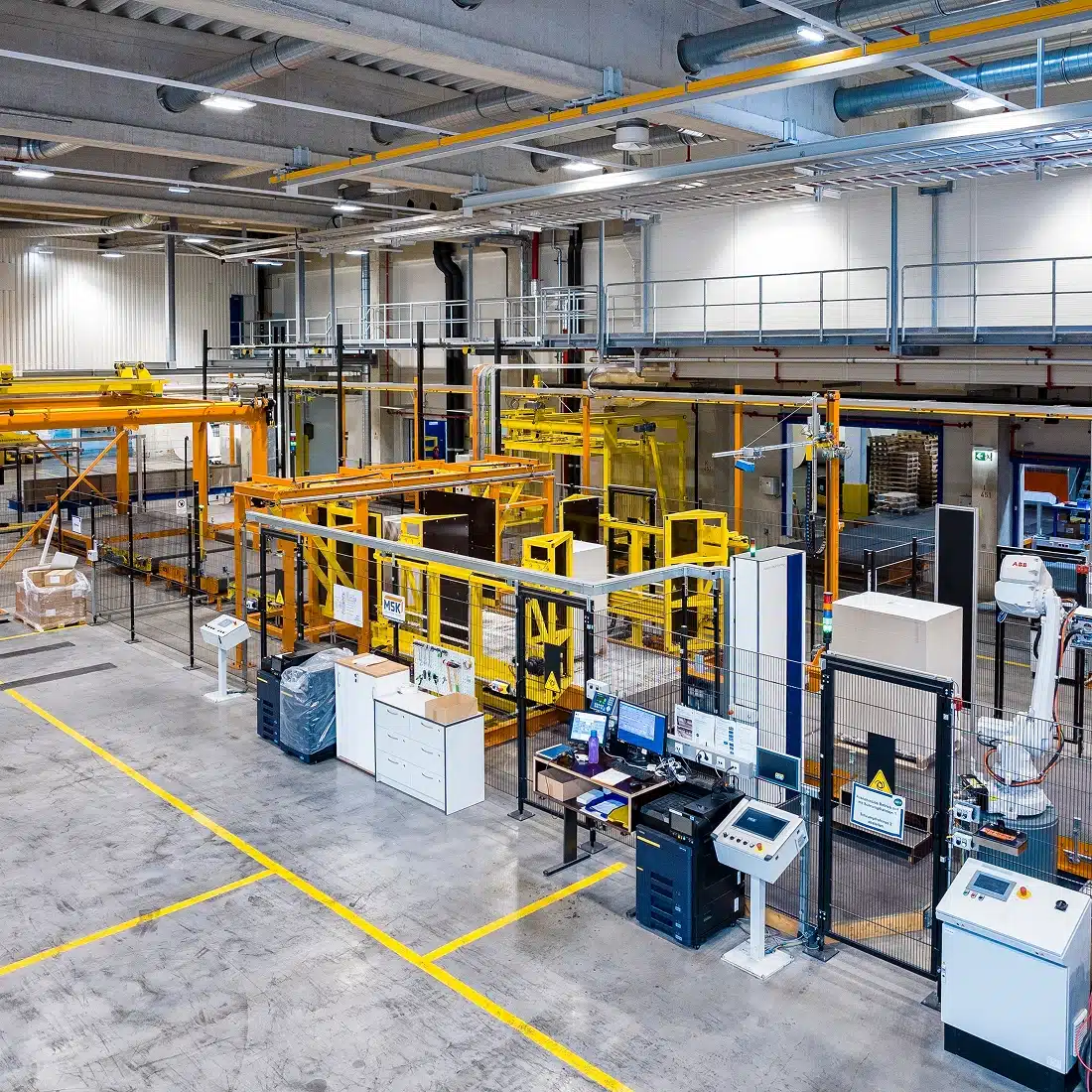
Modernisation can take different forms, from replacing individual machines and upgrading existing systems to improving how equipment works together. The appropriate solution depends on the individual site and its operational requirements.
Supporting efficient fibre use through process control
Fibre is a key input in paper and cartonboard manufacturing. Understanding how it moves through production can help teams identify variations, investigate material losses and assess where process adjustments may be appropriate.
MM Group continues to optimise fibre use across its cartonboard and paper operations. At MM Innovaprint, for example, a new automated waste paper baling press replaced older equipment in 2025. The investment was intended to improve operational reliability and waste handling.
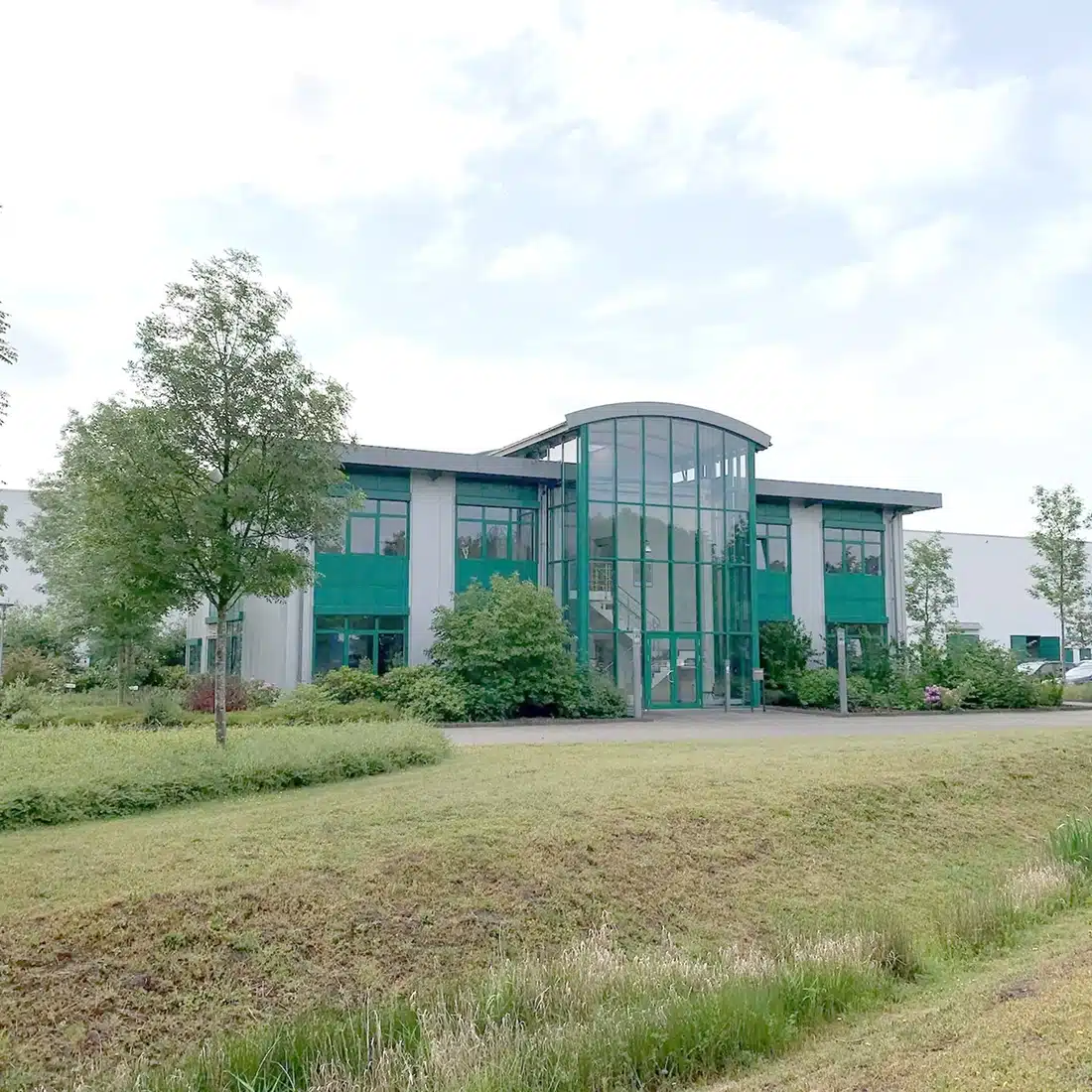
At MM Frohnleiten, a reject-handling optimisation project was also implemented in 2025 and is continuing.
Both projects illustrate a targeted approach to modernisation, addressing specific operational needs through equipment and process improvements.
For a broader perspective on production waste, read more about applying the waste hierarchy in fibre packaging mill operations.
Looking at energy use alongside production performance
Resource use extends beyond raw materials. Energy consumption is another important factor when evaluating mill performance and considering equipment upgrades.
Monitoring energy data alongside production performance can help teams understand how consumption changes under different operating conditions. This information can support decisions on process settings, maintenance and future investments.
Across its operations, MM Group has implemented site-specific measures related to energy use, including projects involving heating systems and recovered heat. As the scope and performance of individual projects differ, their results need to be evaluated on a case-by-case basis.
Connecting automated production with wider efficiency goals
Automation delivers the greatest operational value when it addresses a clearly defined need. Before implementing an upgrade, three questions can help guide the process:
- Where are the main inefficiencies? Use available production data to identify recurring losses, process variations or equipment constraints.
- Which intervention addresses the identified need? Consider whether the appropriate response is a machine replacement, improved monitoring, process optimisation or a broader system upgrade.
- How will the result be assessed? Define how success will be measured before implementation.
Resource efficiency is also influenced by decisions beyond the factory floor. In packaging, for example, design choices can affect material requirements and product performance. Read more about the role of packaging design in reducing production waste.
Further principles for improving processes and material flow are explored in our article on lean manufacturing for fibre-based packaging.
Measuring the impact of a mill upgrade
A meaningful assessment starts with indicators that reflect the purpose of the investment. Depending on the project, these may include fibre consumption per unit of output, waste volumes, energy or water use, downtime or product quality.
Comparing performance against a defined baseline can help determine whether an upgrade has achieved its intended operational objective. Where several changes take place simultaneously, other factors may also contribute to the result and should be considered when interpreting the data.
Installing new technology is therefore not, by itself, evidence of improved resource efficiency. What matters is the measurable outcome.
Ongoing monitoring can help mills make more informed decisions about resource use and future investments.
Frequently asked questions about factory automation
Manufacturing processes are the activities used to turn raw materials into finished products. In paper and cartonboard mills, these may include fibre preparation, forming, pressing, drying and finishing. Factory automation can support selected stages by monitoring or controlling production conditions, depending on the equipment and systems installed.
At MM Innovaprint, a new automated waste paper baling press replaced older equipment in 2025 to improve operational reliability and waste handling. This is an example of targeted equipment modernisation addressing a specific operational need.
Factory automation can support resource efficiency by providing better information about production conditions and equipment performance, helping teams identify process variations, losses and opportunities for improvement. Whether efficiency improves in practice depends on the specific application and its measured results.

Do you want to keep finding us easily on Google?
Add us as a preferred source and give our content greater prominence when searching for information on Google.